July 30tap images for gallery view
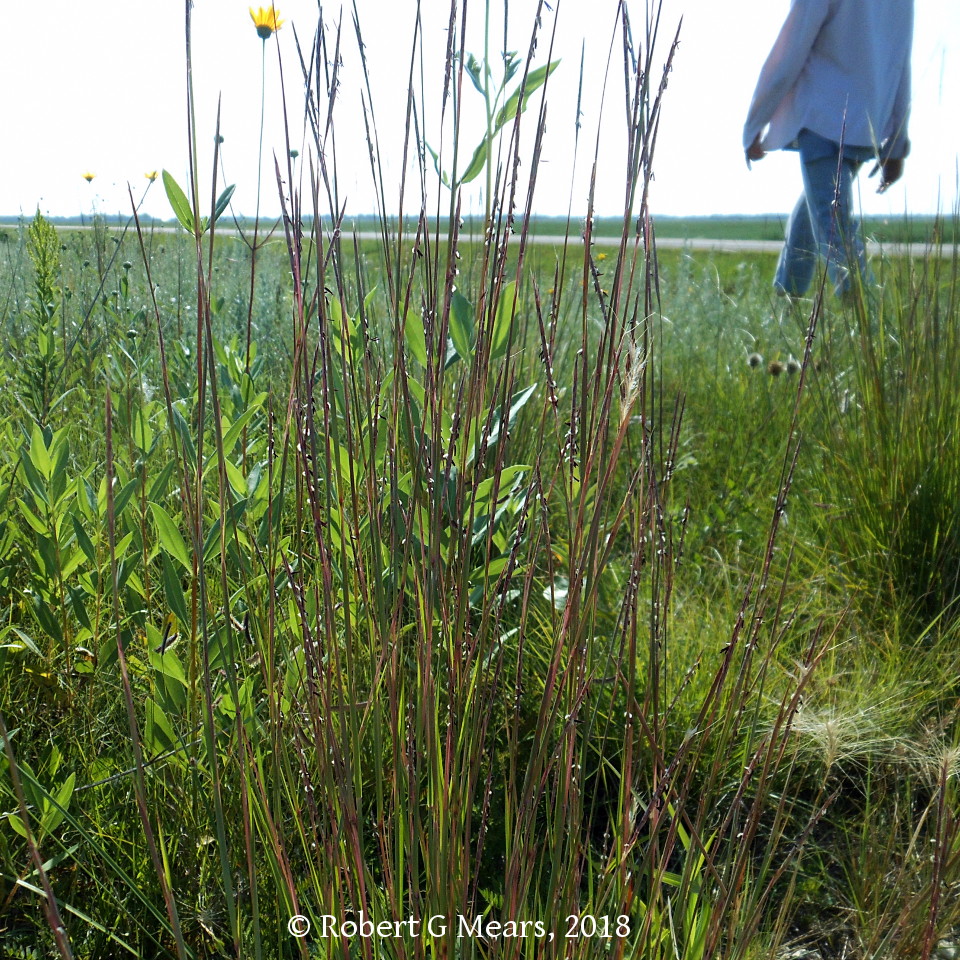
Hey there. I'm a little bluestem, Schizachyrium scoparium. I was started from seed that was collected over by Prairie Shore Trail eight or so years ago.
Did you know that our leaves are eaten by a variety of skipper caterpillars? And we are an excellent forage grass for cattle.
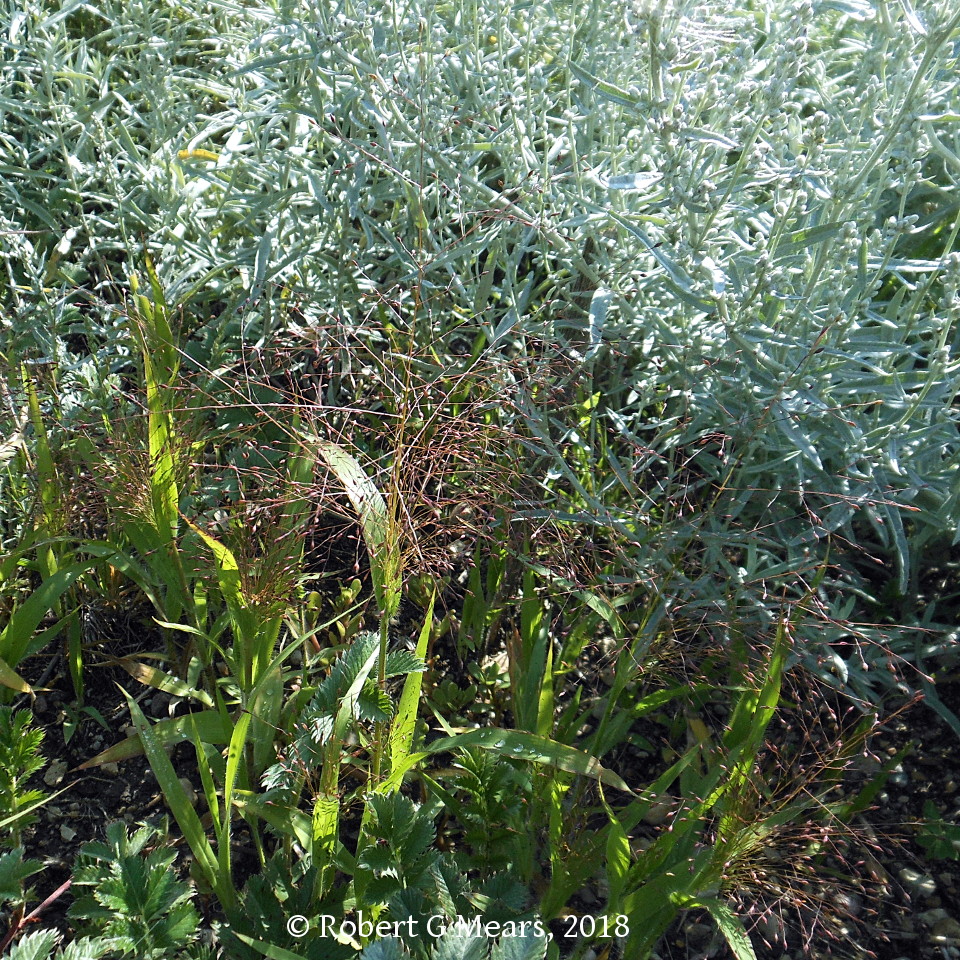
Hi. So nice to see you. I'm a witchgrass, Panicum capillaire L.. I was started from seed. That's because I'm an annual; so I show up here and there every year. It's kind of fun to travel.
Did you know that our seed was a food staple of the Hopi Indians?
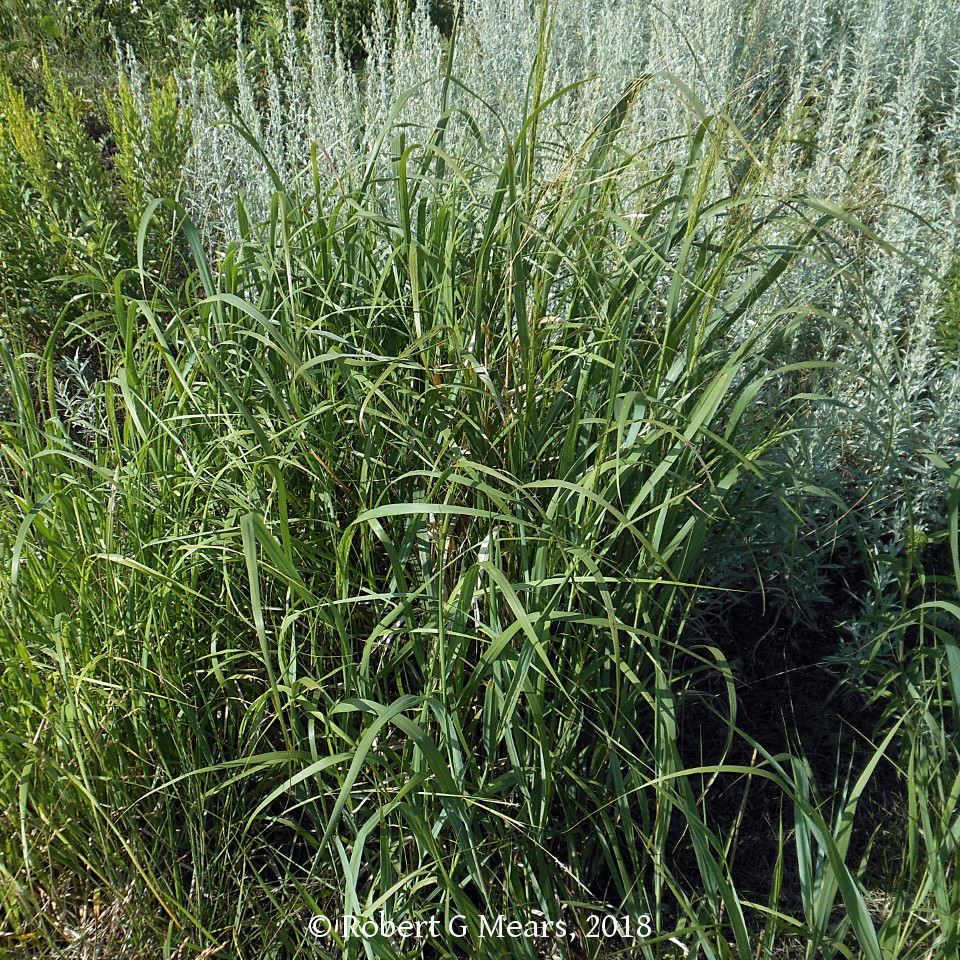
Well hello. I thought you'd never get to me. I'm a switch grass, Panicum virgatum. I'm just starting to put up my seed heads. We're the last of the grasses to do that.
We're different from most of the other "bunch" grasses because we spread by short rhizomes. We're also an excellent forage grass.
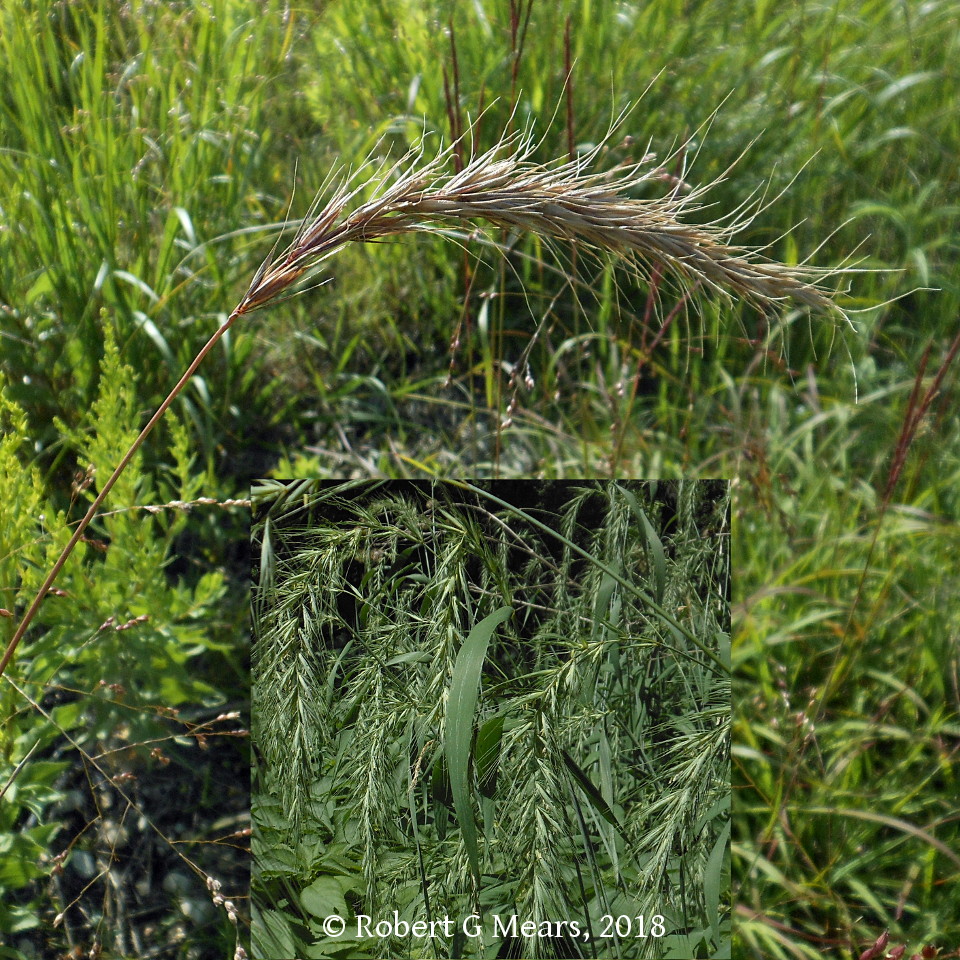
Yep. You guessed it. I'm a Canada wild rye, Elymus canadensis L.. I haven't figured out whether I like it here or not. I think I prefer a bit of shade; like beside a wooded area.
July 31tap images for gallery view
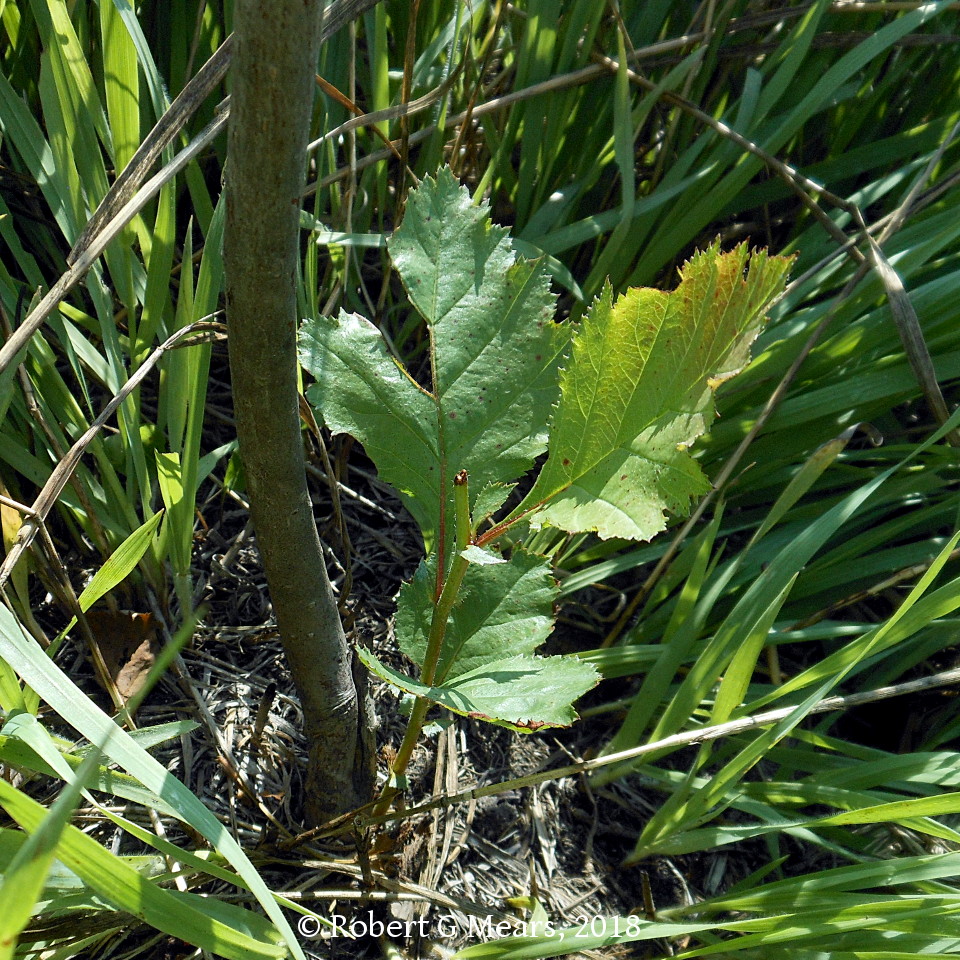
Hi. I'm a hawthorn, in the Crataegus family. The tenders of this site got me from a neighbour a couple of years ago. I was sort of limping along. Well, now I'm starting over. I was burned this summer. And my new leaves are bigger than ever.
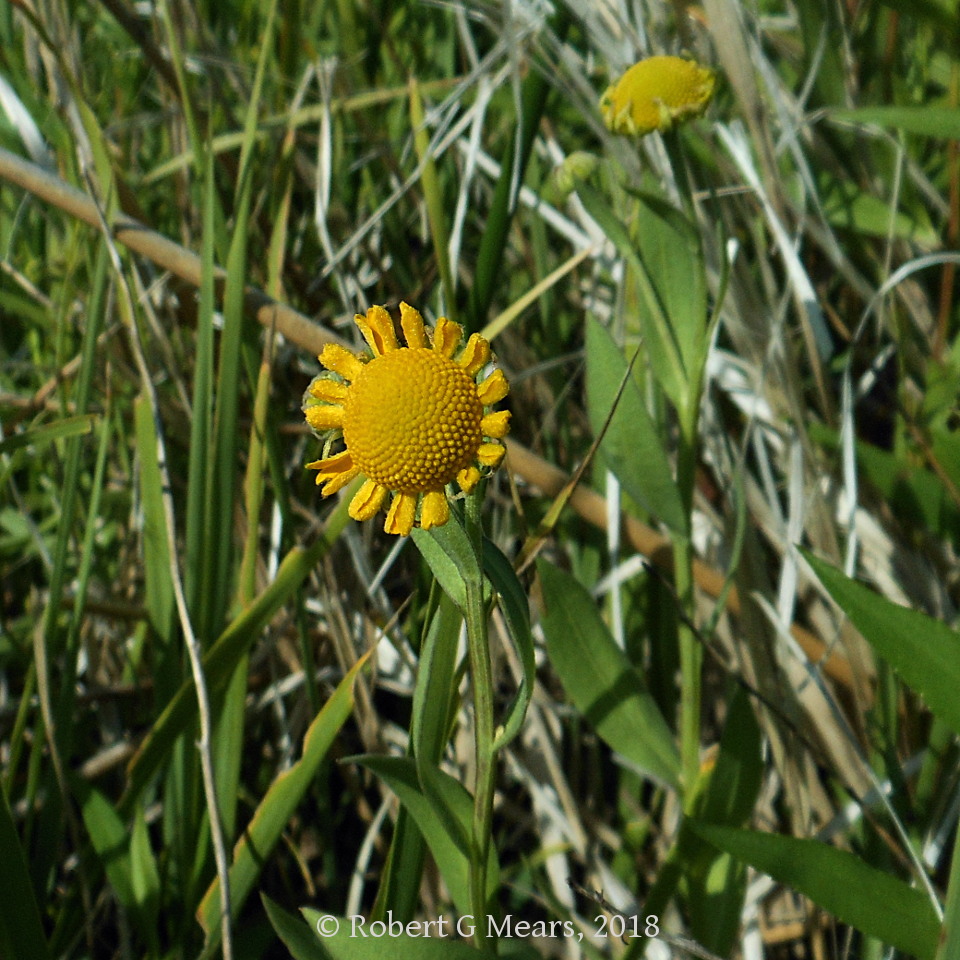
Hello. Good to see you. I'm a helenium, Helenium autumnale, and I'm just getting started.
Some people call me sneezeweed. Pretty though I am, you may not want me around. While goldenrods are wrongly thought to be the cause of summer's allergic reactions, I'm a real culprit in that regard. But bees, flutterbyes and flies like my nectar a lot.

Hey there. I'm a bee fly. And the nectar from this gumweed, Grindelia squarrosa, is fabulous. You should try it.
Did you know that Wildernots used the flowers and leaves for treating bronchitis & asthma and as a wash for healing sores? Yeah, they did.

Hey. I'm a bee fly. too. And I agree this gumweed, Grindelia squarrosa, nectar is wonderful.
You've got to watch out though. The unopened flowers are sticky on top. If you're not careful you can get stuck just like those foxtail barley, Hordeum jubatum, seeds.
August 1tap images for gallery view
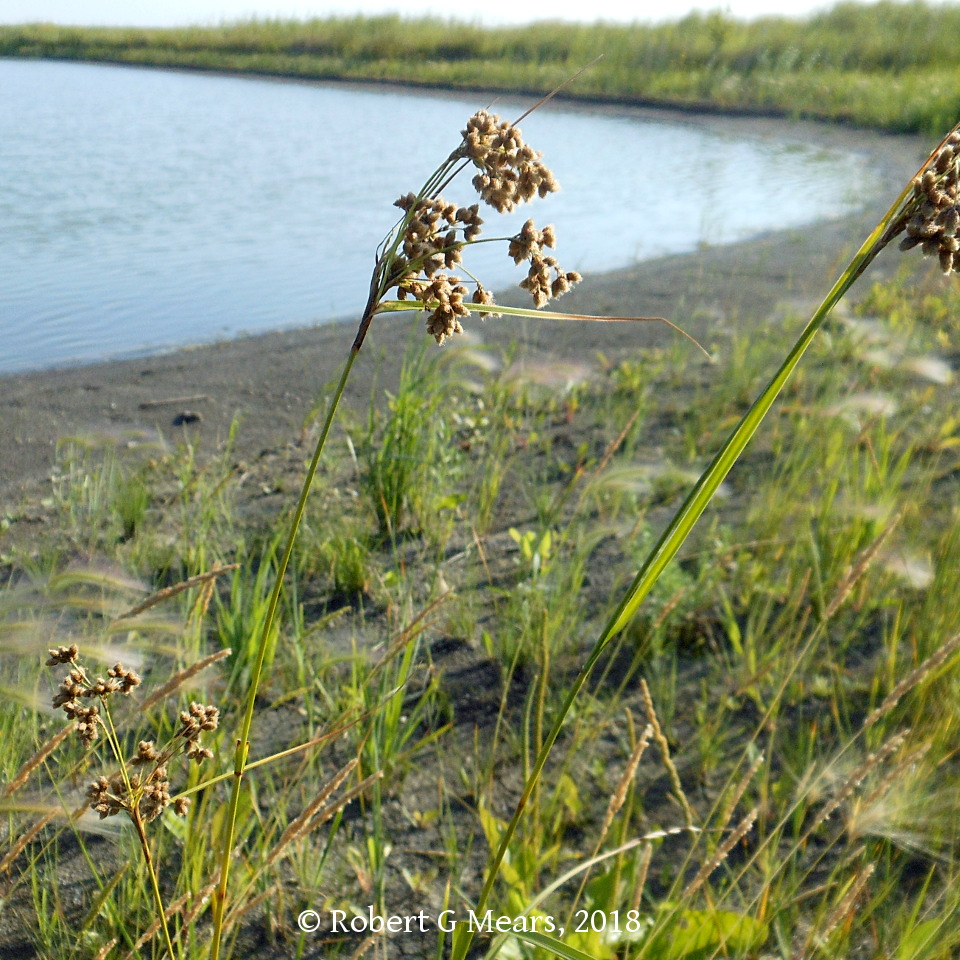
Well there you go. Another misnomer. I'm called woolgrass, Scirpus cyperinus (L.) Kunth. The wool part comes from my woolly seed heads. The grass part, though, is wrong. I'm a sedge. You know: triangular stems.
We're great to have around in wetlands because we absorb nitrogen and phosphorous and we provide food, cover and nesting habitat for a variety of wetland birds.
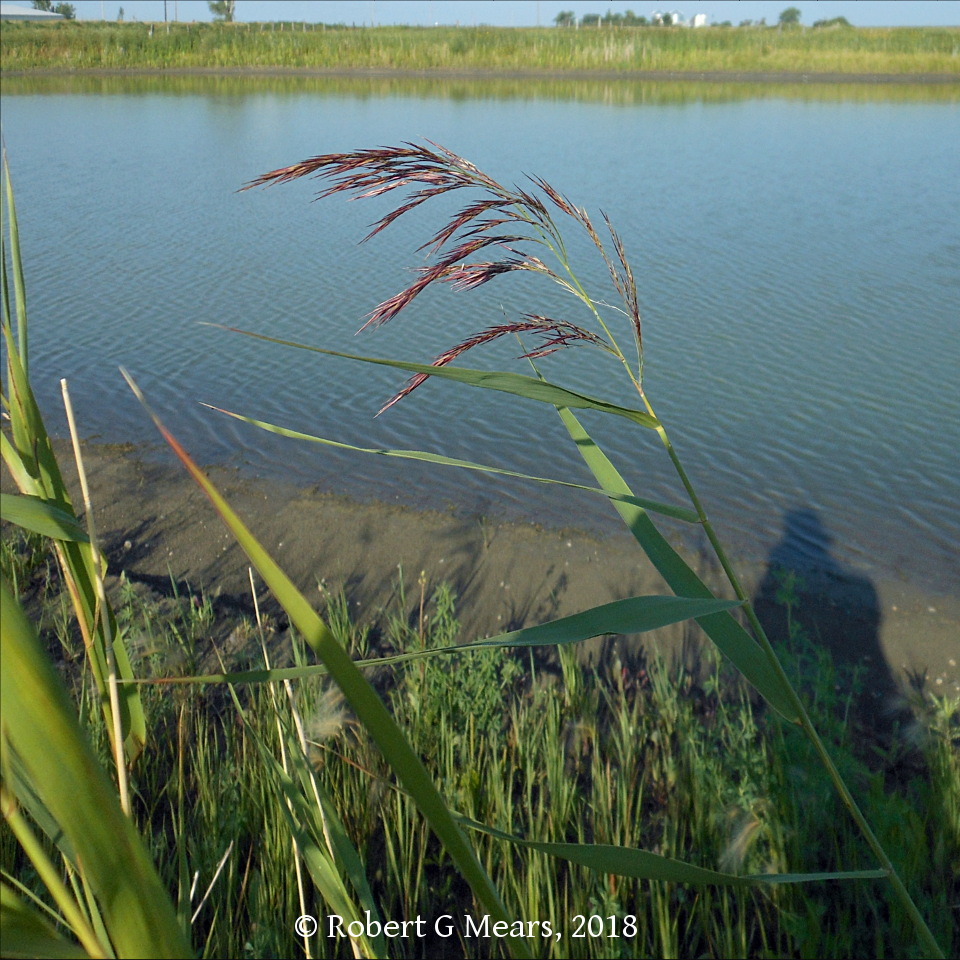
Yes, you're right. I'm a common reedgrass, Phragmites australis subsp. americanus. There are two of us in these parts. The other one is exotic (Phragmites australis) and invasive. You can tell the difference easily. We send up our dark purple seed heads in mid July. The other is taupe coloured in mid to late August.
We grow in stands, the interior of which provides nesting habitat for snowy egrets, blackcrowned night herons and yellow-headed blackbirds.
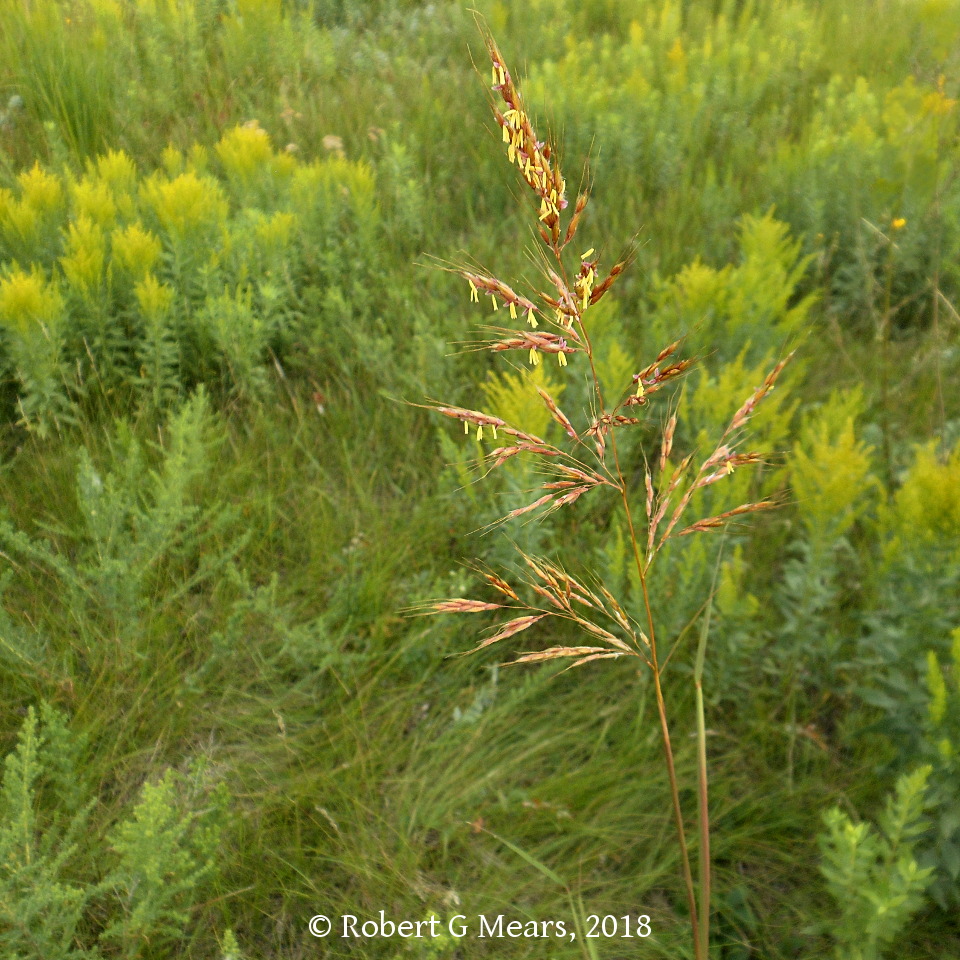
Hello ... so nice of you to stop by. I'm an Indian grass, Sorghastrum nutans. Usually I have several seed heads but this summer—what with the roller coaster temperatures and the confused rains—we're only putting up one or two.
Our seed is a good food source for birds in the fall and winter. Some naturs say that our presence is an indication of true tallgrass prairie.
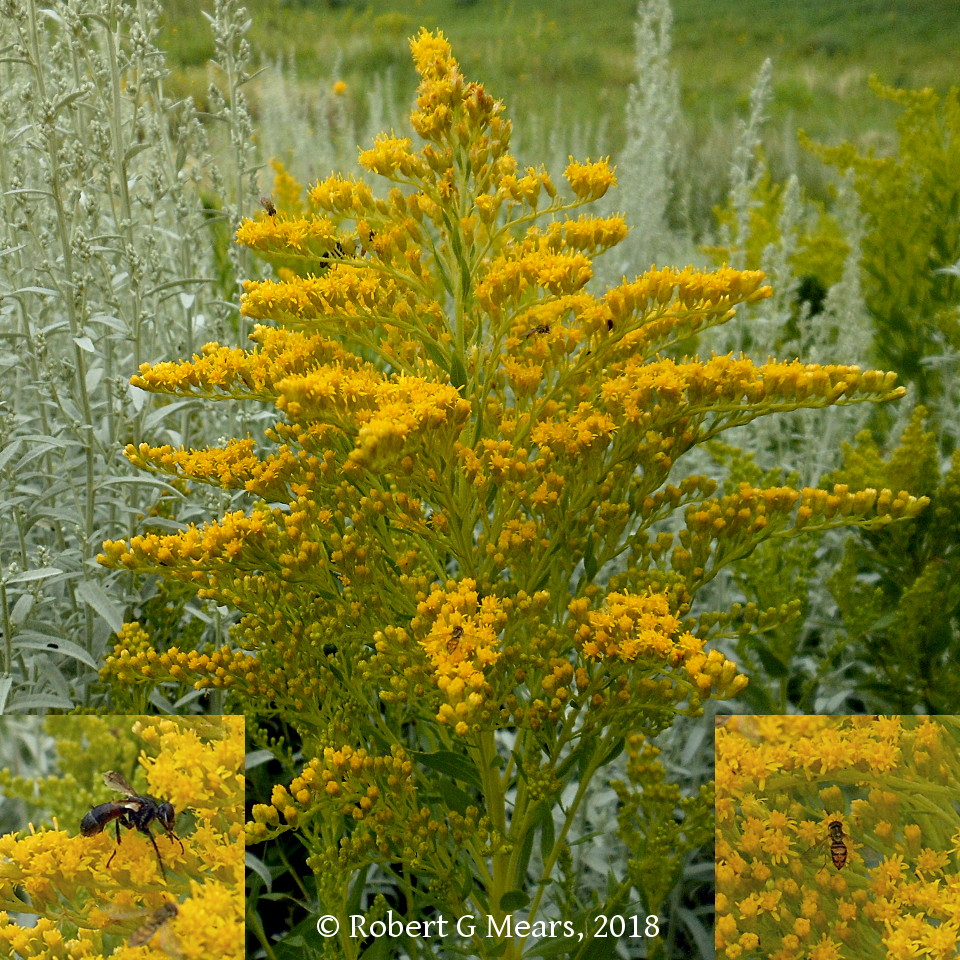
Well, it's yellow alert time. Yes, tallgrass prairie is about to turn yellow. What with the goldenrods and sunflowers all starting to bloom.
I'm a Canada goldenrod, Solidago canadensis. People with static gardens don't like us because we inhibit other plants from growing beside us. We can "take over" they say. That's because we're one of the species that keeps the ecosystem dynamic. We cause other plants to move around.
We're also popular with wasps and hoverflies.
August 2tap images for gallery view
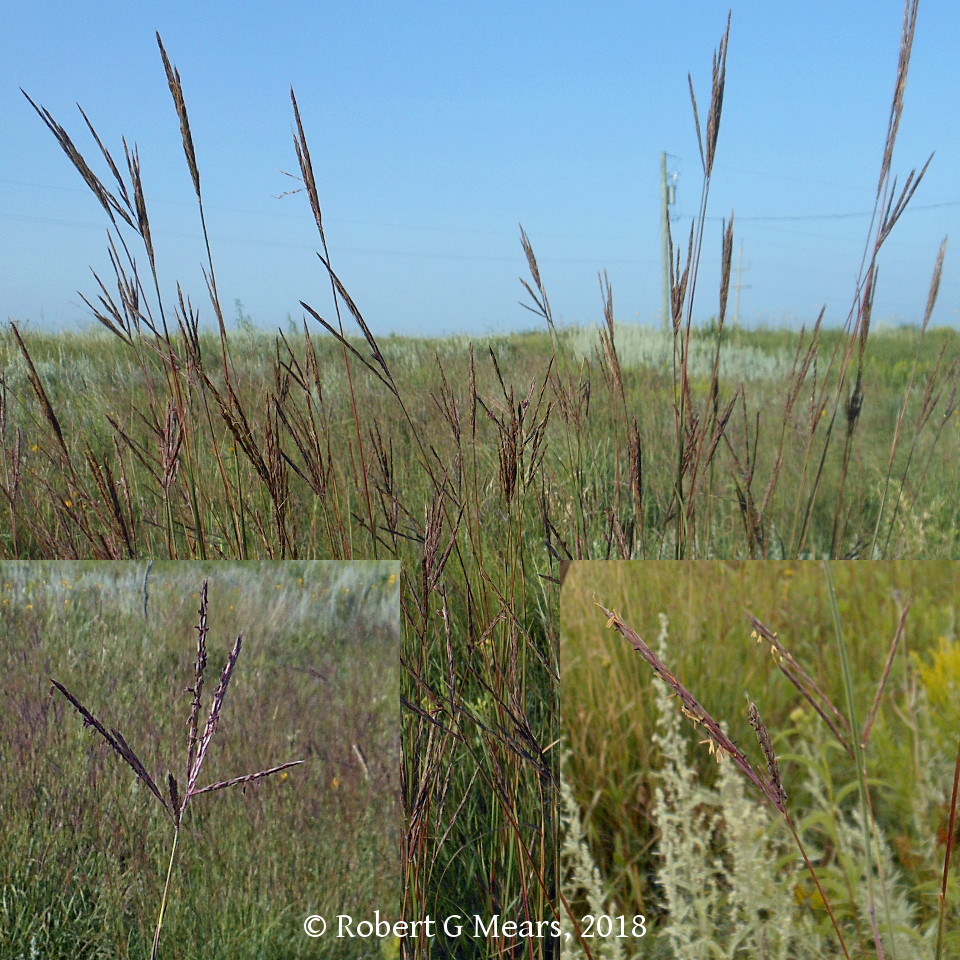
Good day to you. We're big bluestem, Andropogon gerardii. Ecologs and botans consider us to be the dominant grass of the TgP ecosystem. We can form virtual mono-cultures if left to our own devices. That's why goldenrods are important. ☺
We also provide food and cover for many birds and small mammals and are an excellent forage grass.
Our anthers are sometimes yellow, maroon or even orange.

Hey. It's a good thing you didn't step on me. Yeah, I know it's my fault. We like to hide out in the low growing plants. Oh yeah, I'm a Virginia tiger moth, Spilosoma virginica. Remember me when I was a caterpillar. Yeah, the woolly bear.
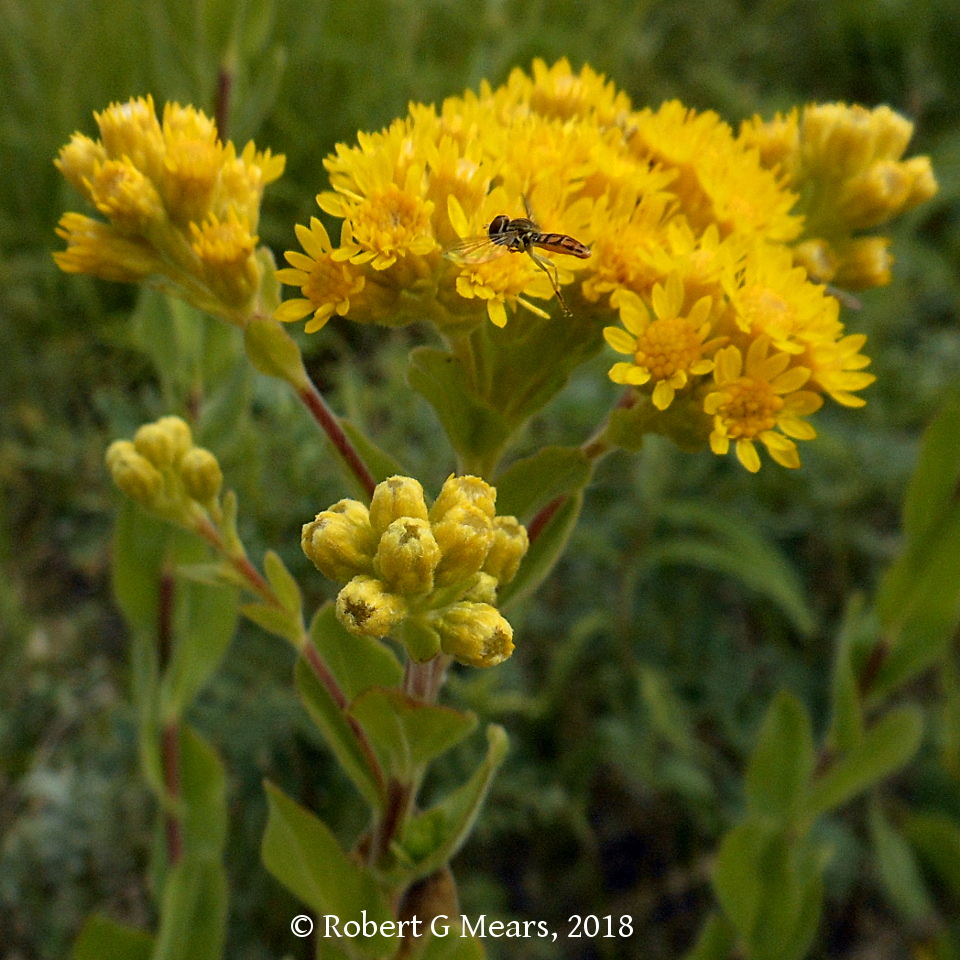
Yep. You're right. I'm a hoverfly. And this stiff goldenrod looks promising. We're good to have around because before we cocoon (after being a larva for a bit) we eat aphids. Now that I'm grown up I will pollinate lots of different plants. Oh, the bands are a ruse. That's so I look like a wasp and birds will tend to leave me alone.
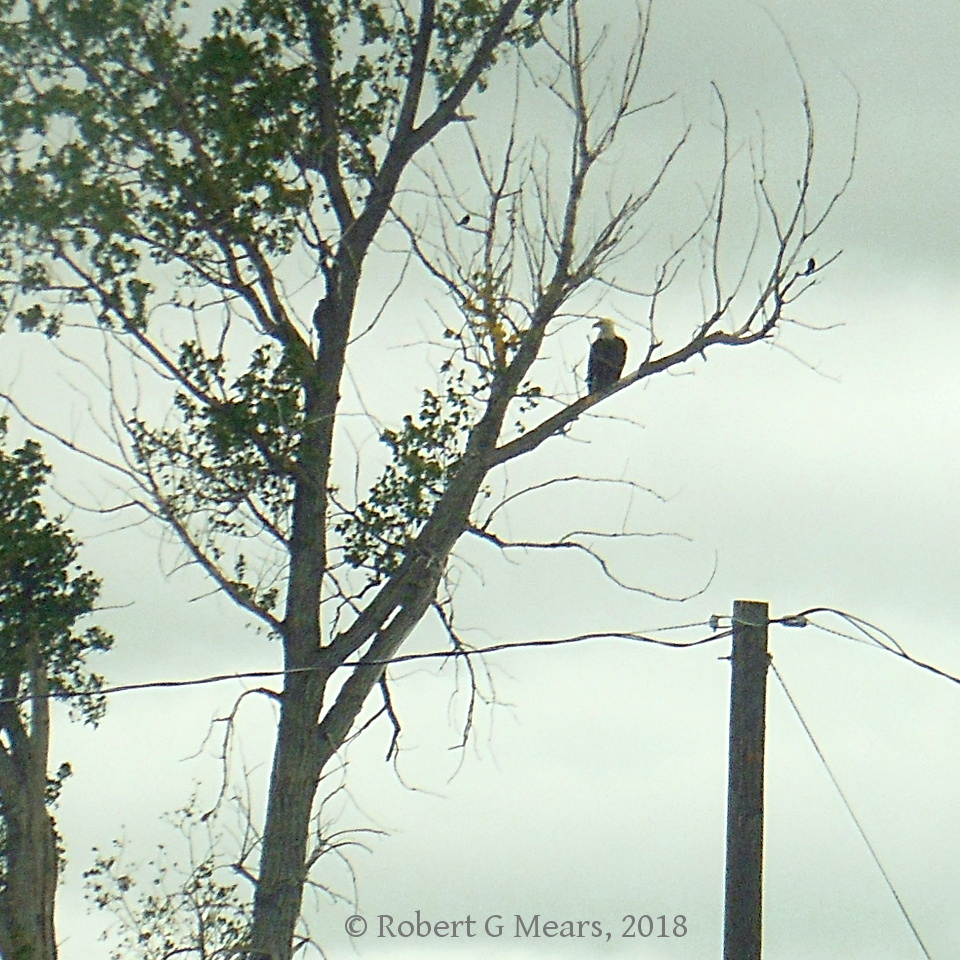
Hey, what's hapnin', man? Yes, you're right. I'm a bald eagle. I stop by once or twice each year to see what's up here in Silver Plains. This used to be a grassland. It got it's name from all the "bright" grasses in the fall. There used to be jack rabbits here, too. If you had more of those I'd come by more often.