180918tap images for gallery view
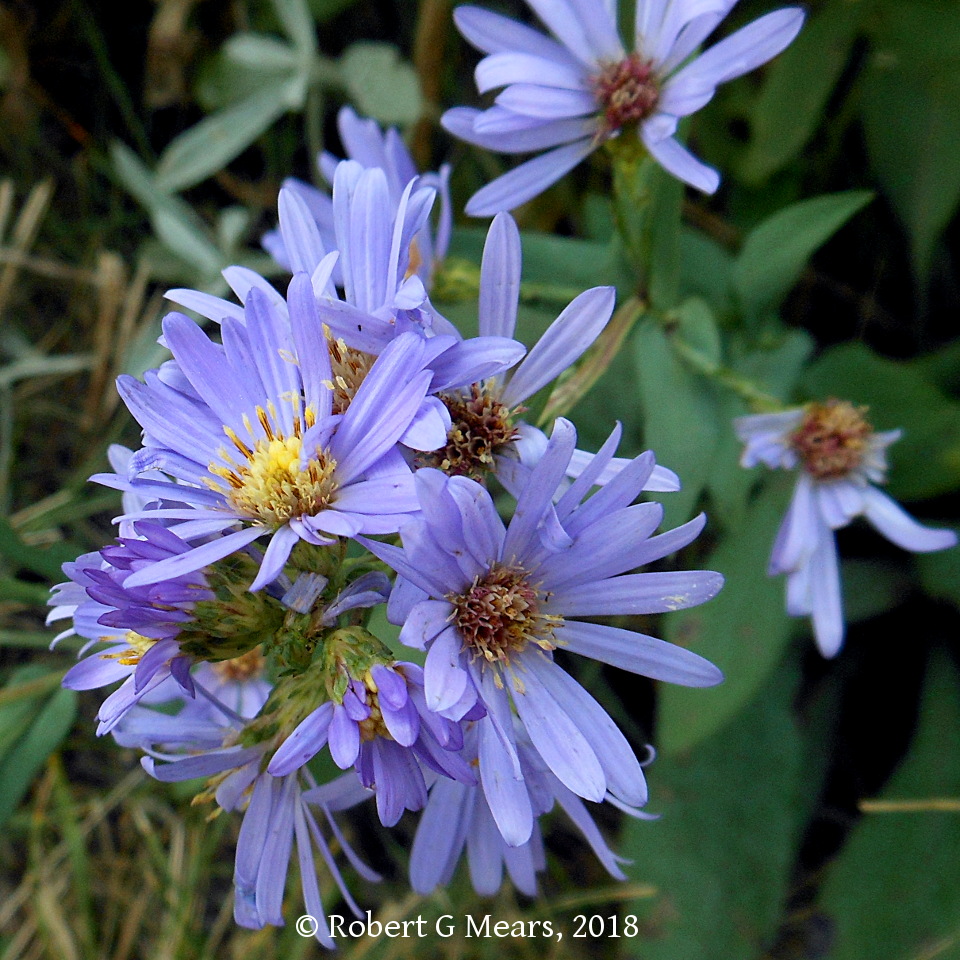
Hey there. Smooth aster, Symphyotrichum laeve var. laeve, again. Our flowers start off yellow in the centre. Then they turn orangey-red to purple when they're pollinated.
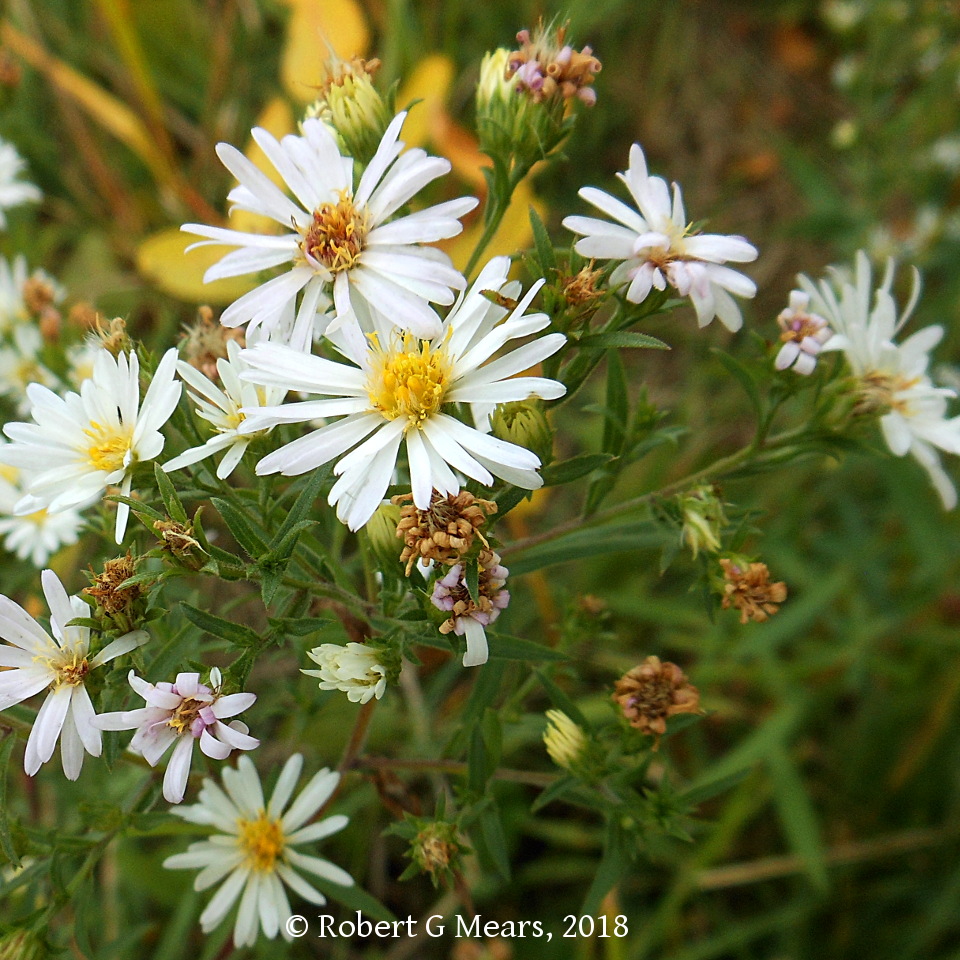
Hi. Nice to see you. Yes, I'm a white panicle aster, Symphyotrichum lanceolatum ssp. hesperium, again. Our flowers turn reddish in the centre (just like smooth aster). Then our petals curl inwards and we go to seed, as they say.
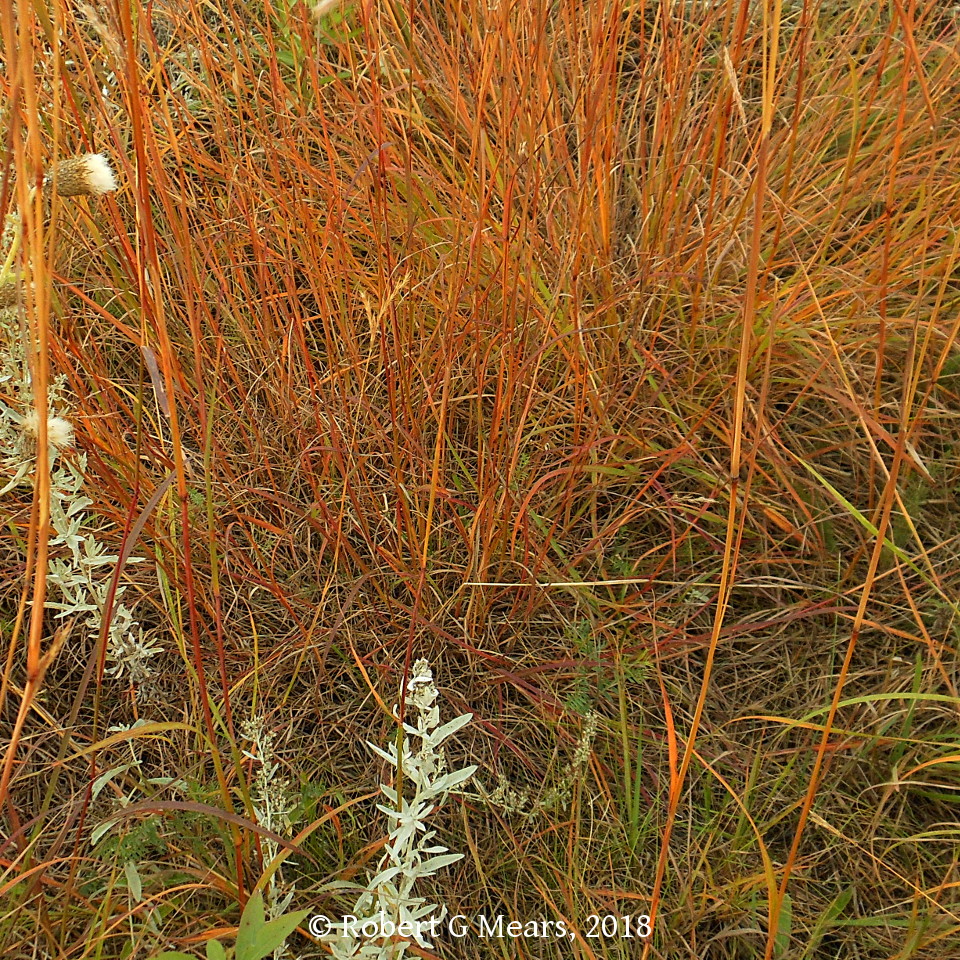
Well hello, you. Thanks for the visit. Yes, we're big bluestem. Andropogon gerardii to a botan. We turn every colour except blue in the fall. We especially like scarlet and maroon. This year we're a bit paler than usual. It's been a strange year, as you know.
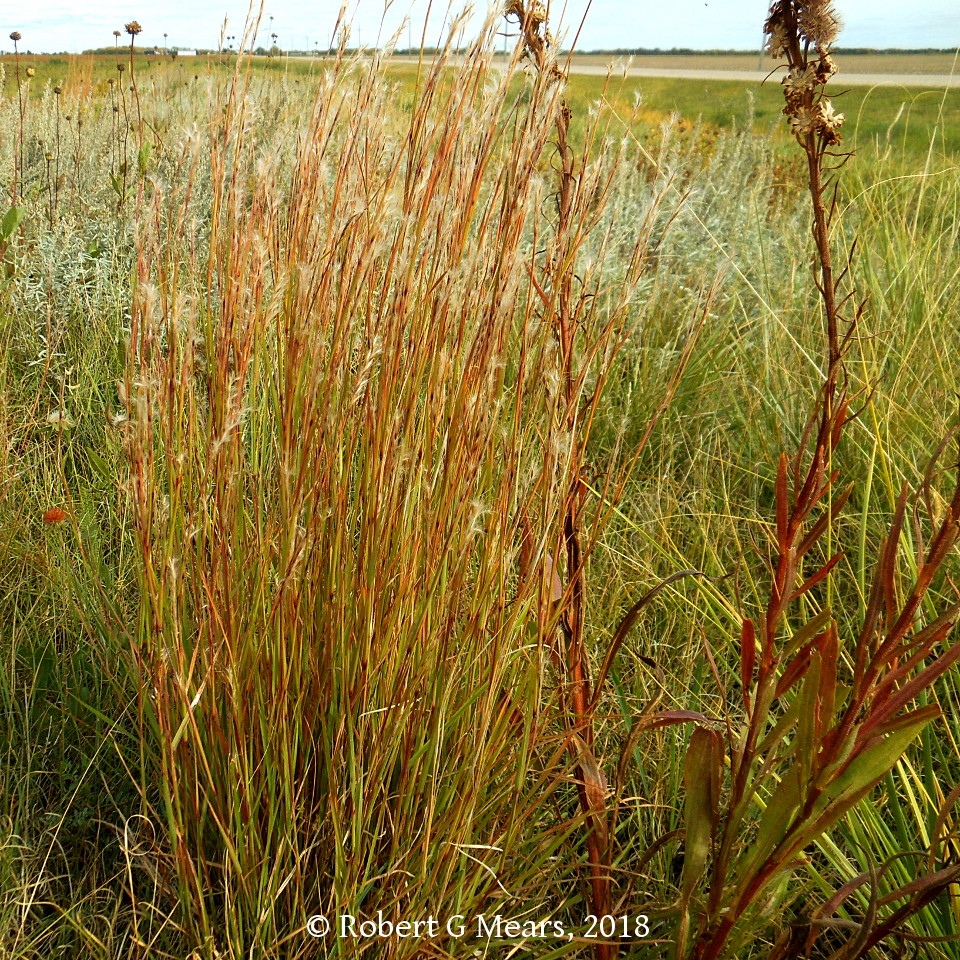
Yep. You guessed it. I'm a little bluestem, Schizachyrium scoparium. And I'm hanging out with a meadow blazingstar, Liatrus ligulistylis. We both turn crimson in the fall. We've already set seed. We're waiting for the wind to blow it around so we can make more of us. ☺
180919tap images for gallery view
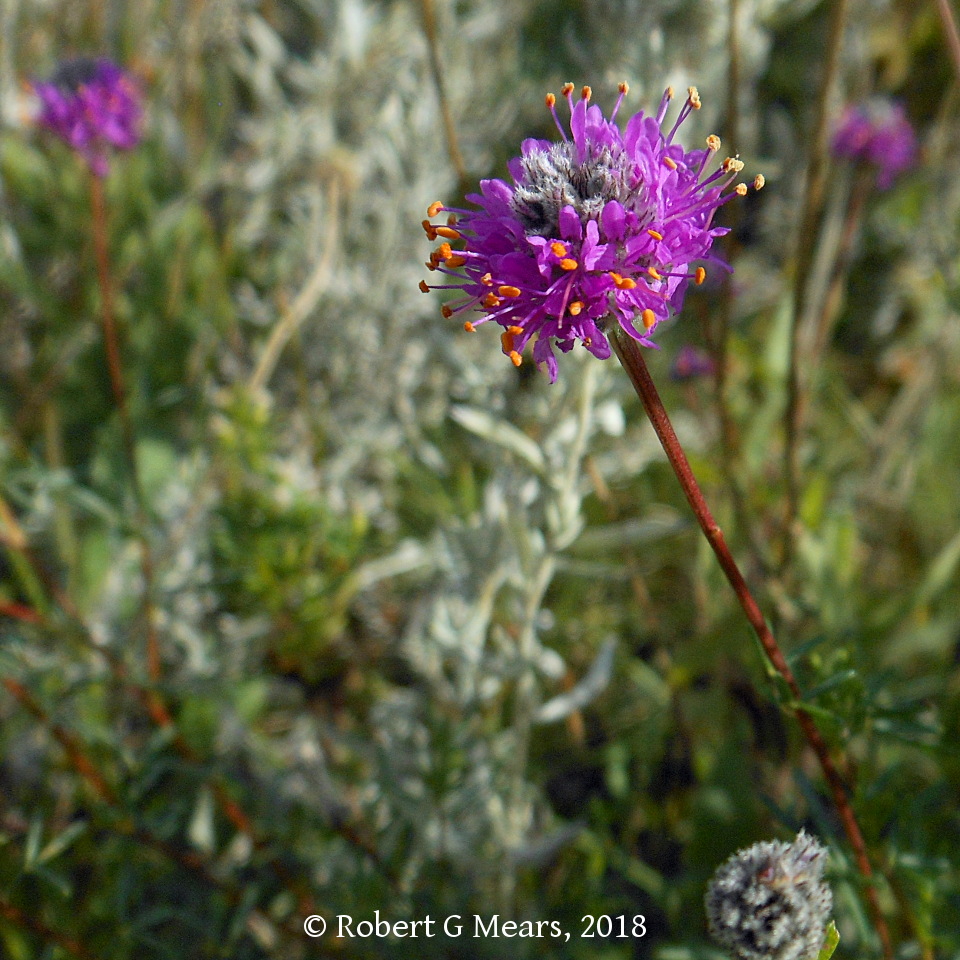
Hey. Purple prairie clover again. That's Dalea purpurea Vent. in science-speak. We rarely flower this late in the year. Our bloom time is usually the middle of July to the middle of August. But plants respond to conditions and the conditions say flower; so that's what we're doing.
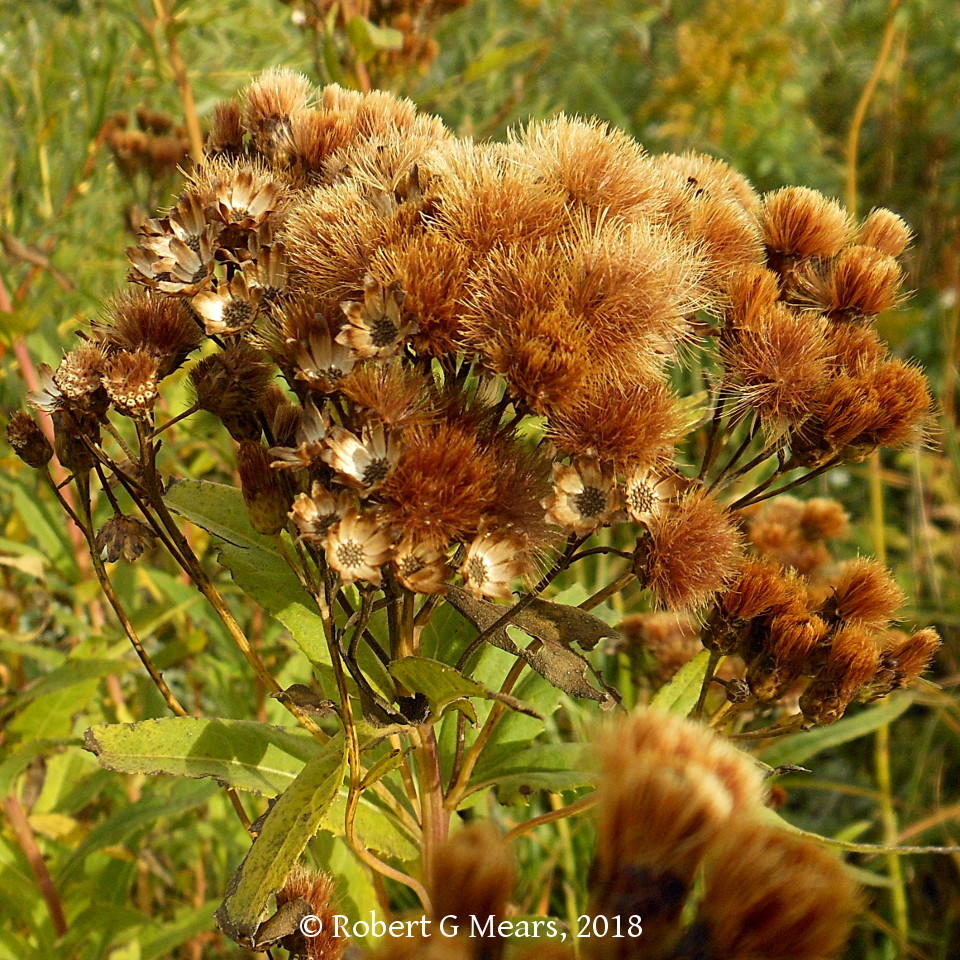
Howdy. I'm an ironweed, Vernonia fasciculata. The iron part of our common name comes from the tough quality of our stems and the rust colour of our fading flowers and then the pappus of our seeds.
What's a pappus? It's the cluster of hairs attached to our seeds.
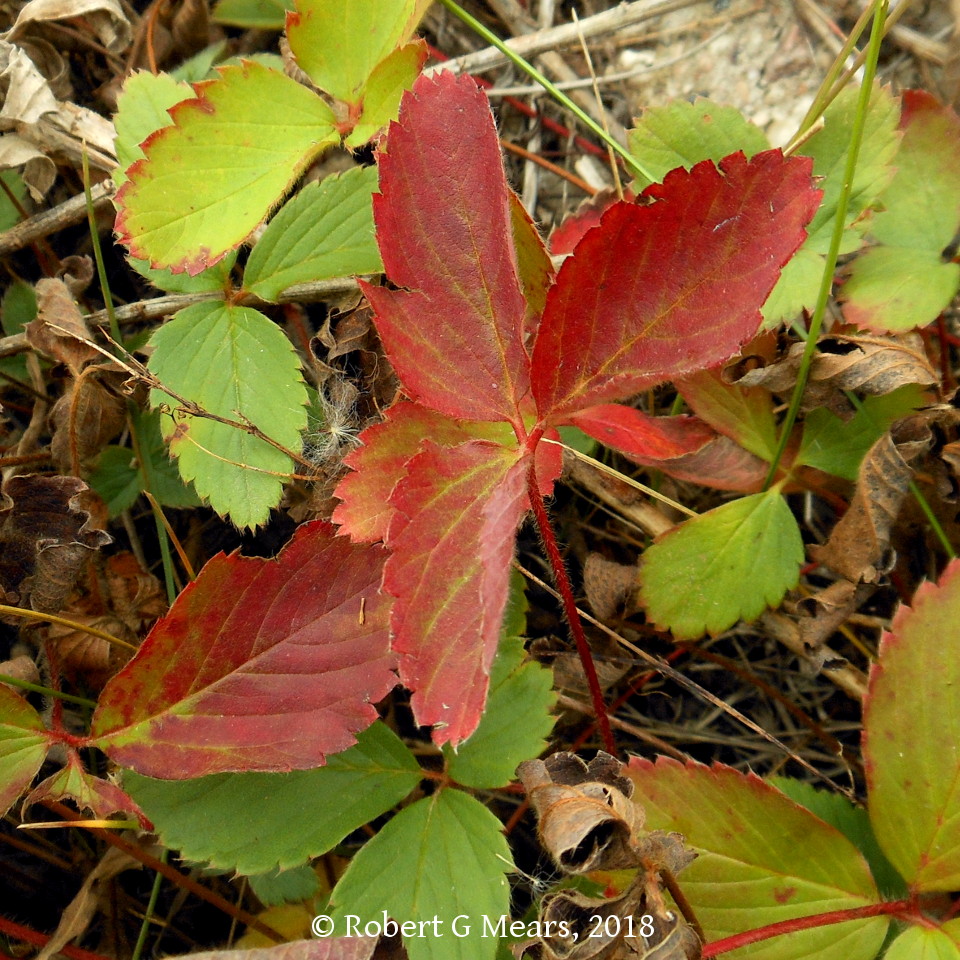
Hey there. Nice to see you. Yeah, you're right, I'm a wild strawberry, Fragaria virginiana. Some people call us Virginia strawberry. As you can see our stems and leaves turn red in the fall. That's because chlorophyll is no longer being pumped into them. It's the end of the year and we don't need sunlight now because we've stopped growing.
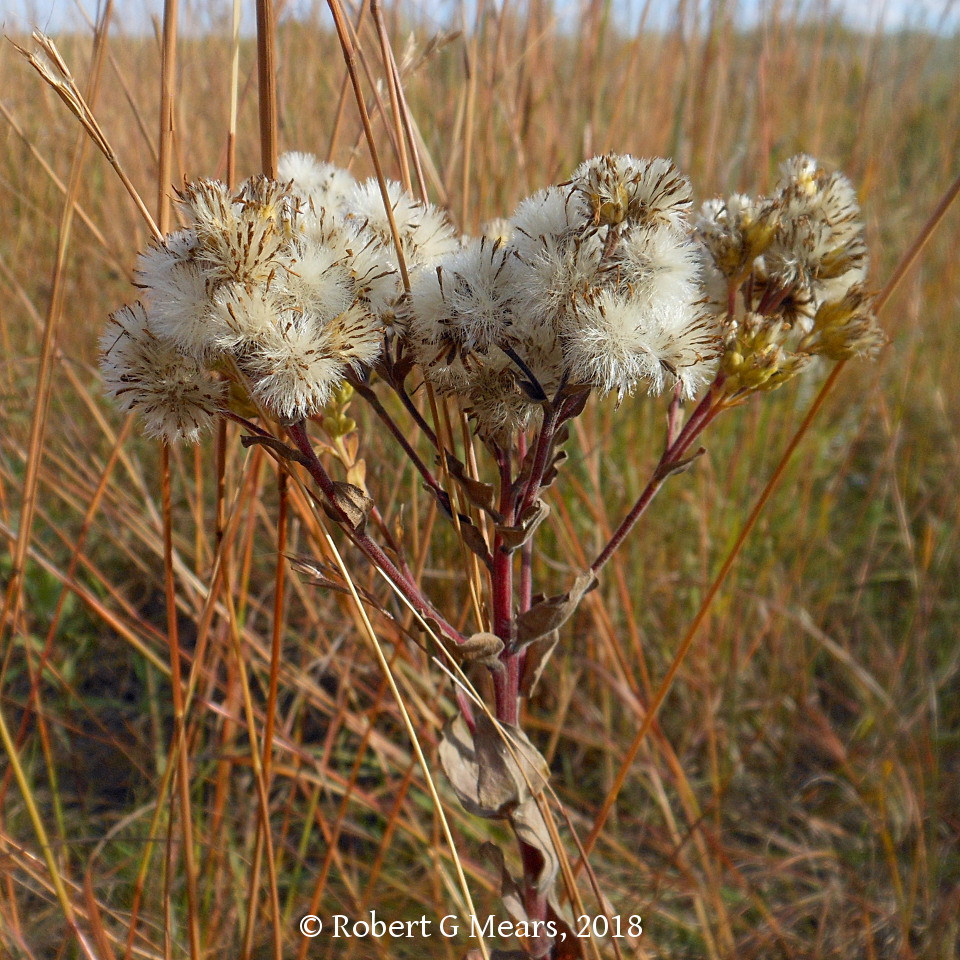
Hey, bro. Thanks for the visit. I'm a stiff goldenrod, Oligoneuron rigidum. We used to go by Solidago, like other goldenrods, but taxons decided our growth habit is slightly different so they re-categorized us.
No, those dark brown things aren't my seeds. That's chaff. The seeds are under the fine hairs that help spread them on the wind.
180920tap images for gallery view
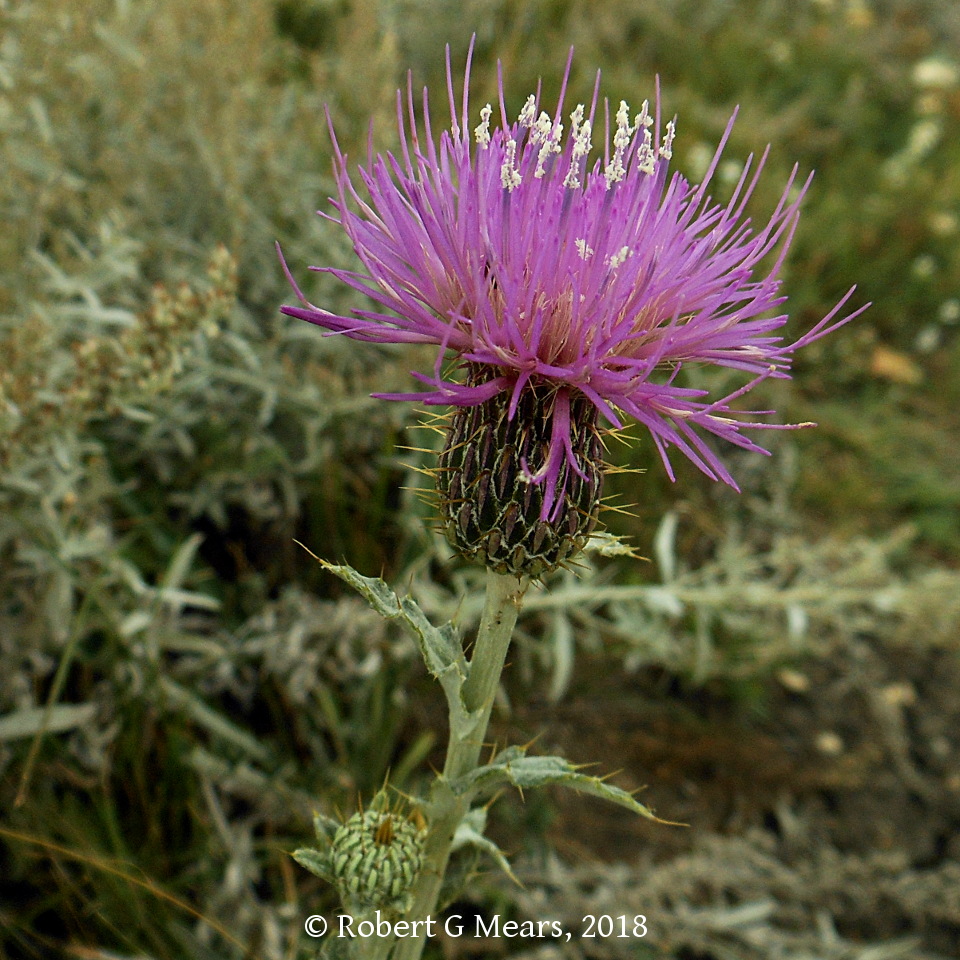
Hey. Flodman's thistle, Cirsium Flodmanii, again. It's not unusual to see us still in flower in September. But our flowers are smaller this time of year than when it's warmer out. Small insects have to be careful because sometimes they get caught in the sticky secretion on our flowers.
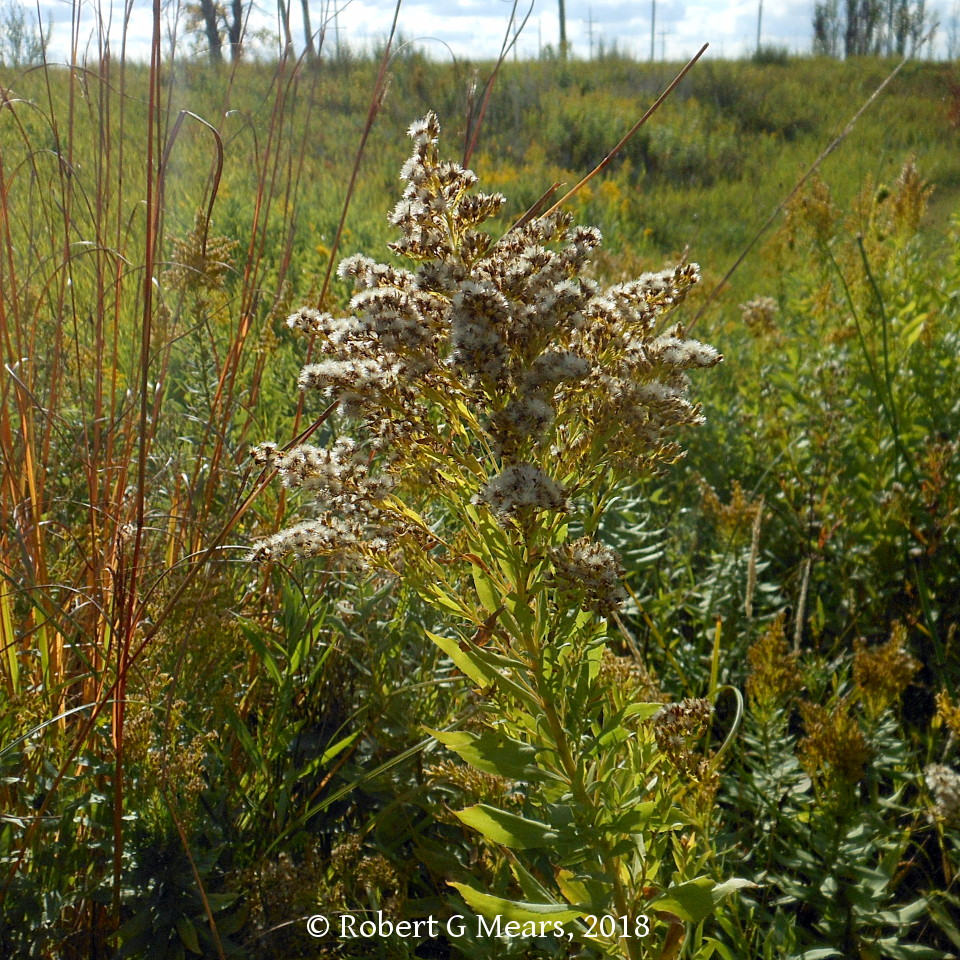
Hello. Nice to see you. I'm a Canada goldenrod. Solidago canadensis to a botan. As you can see I've set seed already. Soon my leaves will turn medium grey and the wind will scatter my seed.
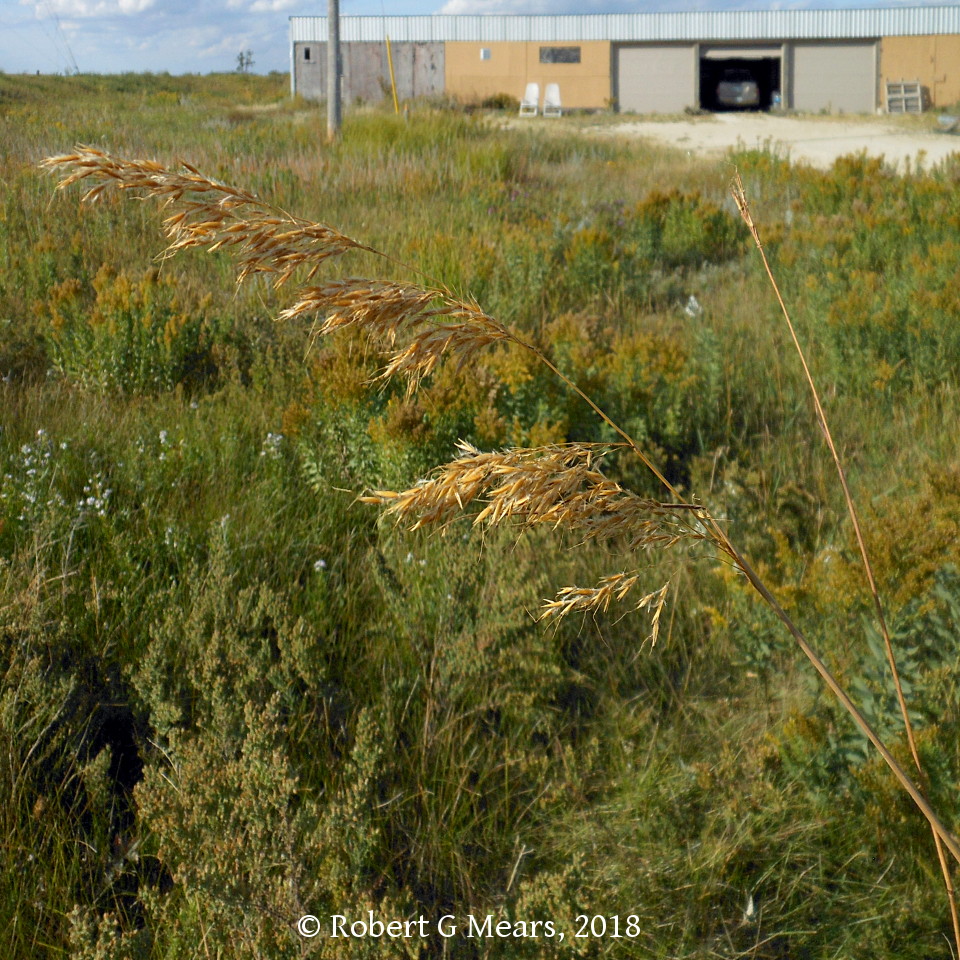
Hey there. I'm an Indian grass seed head. Botans call us Sorghastrum nutans. There's nothing special about our blades in the fall; they turn kind of yellow. But our seed heads look nice. And they're way bigger than big bluestem (to the right).
When grass seeds pull off easily they're ready for planting. If you have to work at it then it's too soon to collect them.
180924tap images for gallery view
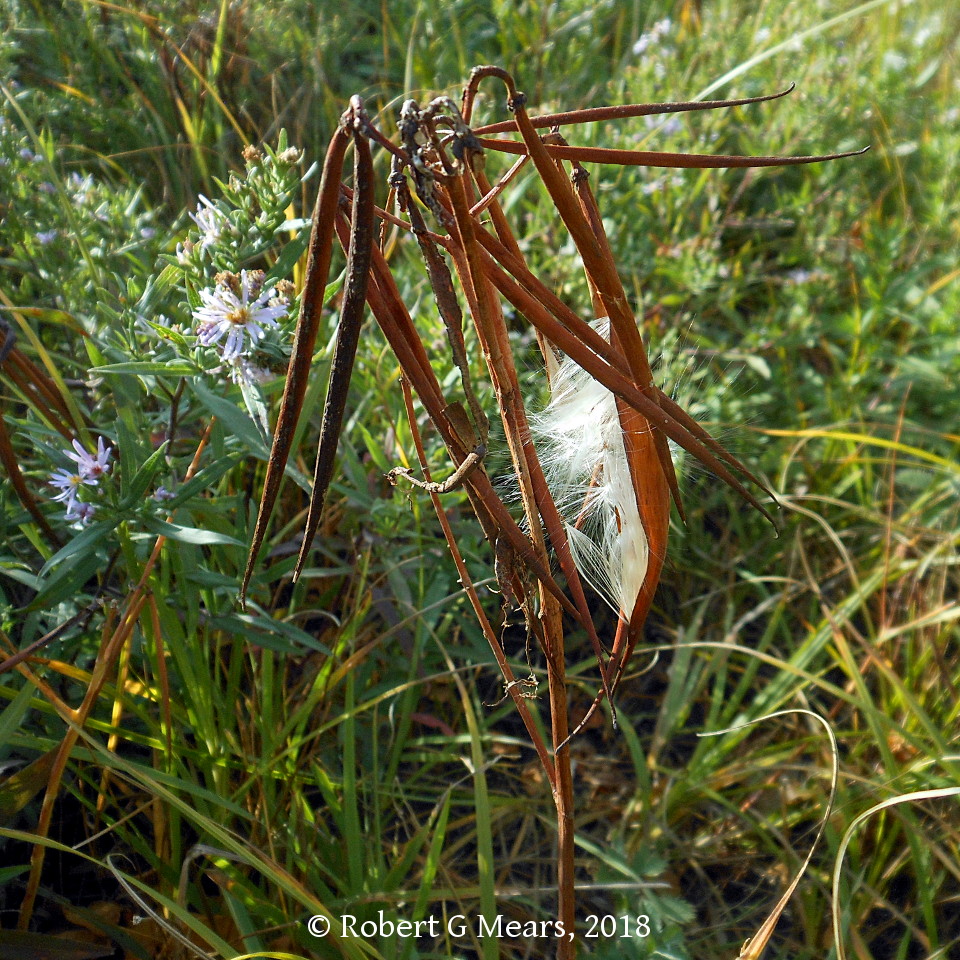
Hey, Indian hemp, Apocynum cannabinum, again. Usually we release our seeds in the spring. But, every so often you gotta do things a little different.
Did you know that we're a substitute plant for monarch caterpillars? Yeah. We have milky sap, too.

Hello, you. Thanks ever so much for the visit. Yes, we're wild bergamot, Monarda fistulosa. We didn't flower this year. Some of us forbs like to get settled before we serve lunch to the critters. As you can see our velvety leaves turn orange or purple.
Say what? A forb is an insect pollinated flowering plant.

Yeppers. You're right. Autumn onion, Allium stellatum, again. We've finally set seed. Yeah, those tiny black things. They fall to the ground around us so we tend to grow in small groups after a while.
180925tap images for gallery view
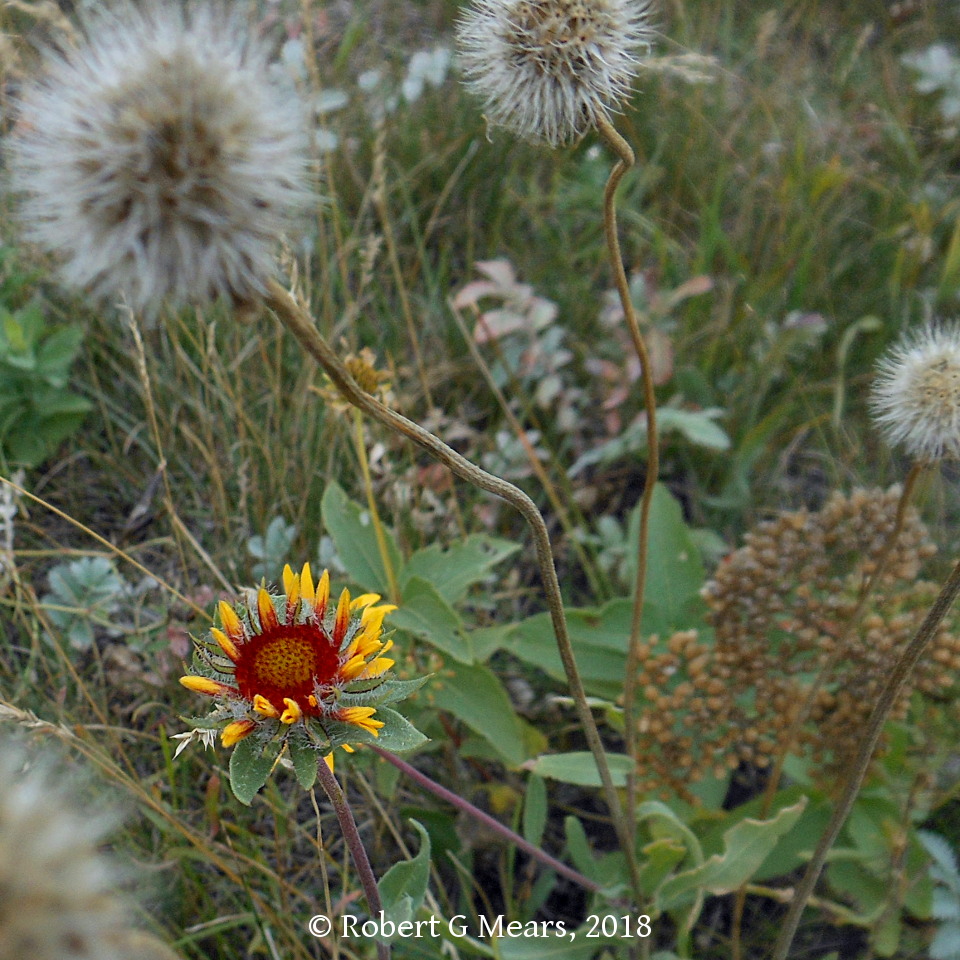
Hey! Good to see you, too. We don't usually serve lunch this late in the year. But, if the asters will share some of the diners we'll happily get pollinated and make more seed. I am, of course, a gaillardia, Gaillardia aristata. Yeah, you already know that.
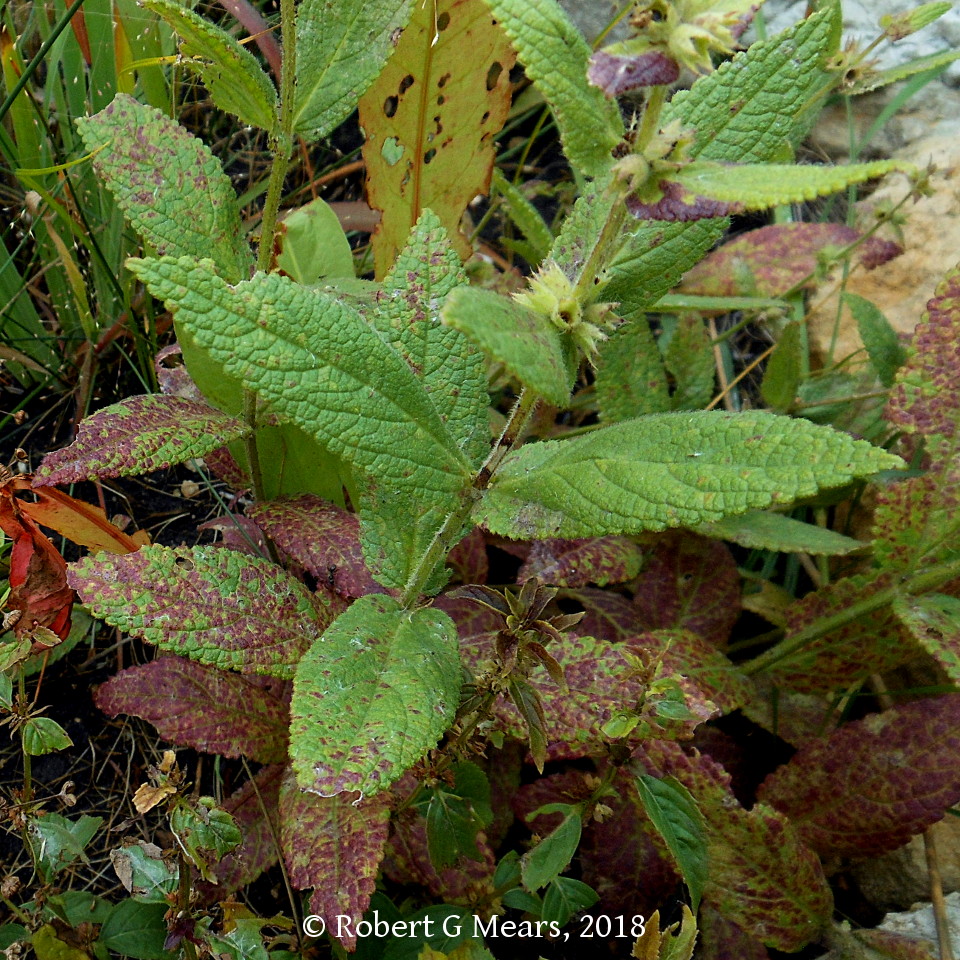
Howdy. Marsh hedgenettle here. That's Stachys palustris L. to a botan. As you can see we're packing it in for the year. We'll be back in the spring and serving dinner to long-tongued bees in July.
180926tap images for gallery view
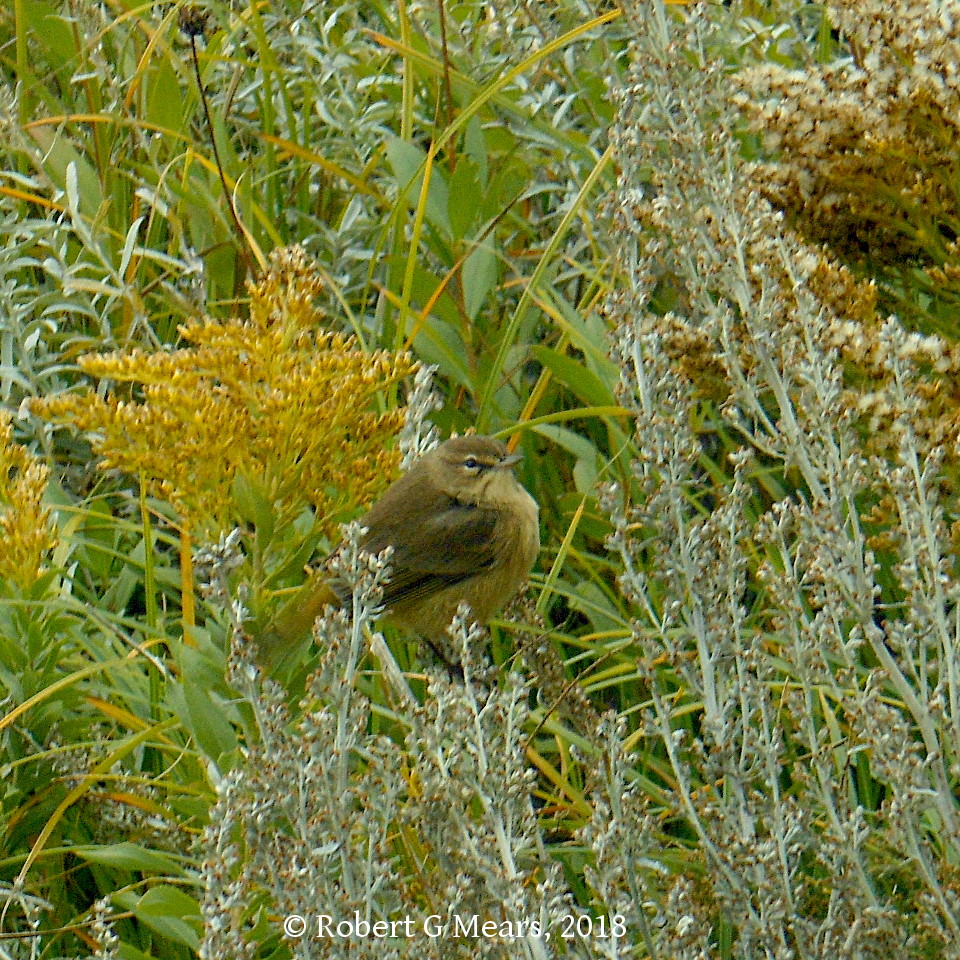
Hey there. I'm a Tennessee warbler. That's Vermivora peregrina to an ornitholog. We don't usually hangout here in the grassland. We prefer wooded areas. Just thought I'd stop by and see what's on the menu. Soon we'll head for the tropics.
180927tap images for gallery view
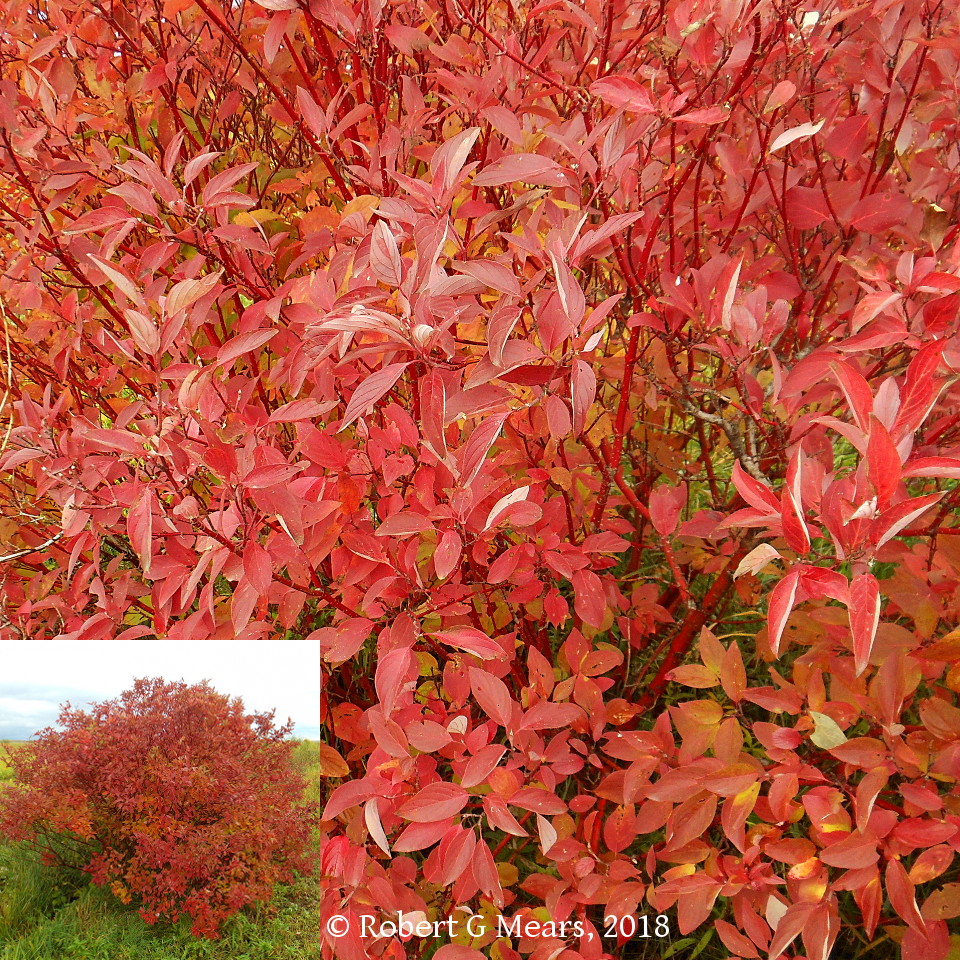
Hello. I'm a red osier dogwood, Cornus stolonifera (sericea). That's pronounced OHZEE-ERH. The red is because our stems turn red in the fall. A bunch of different birds like our high protein berries. In fact, I have none left right now.
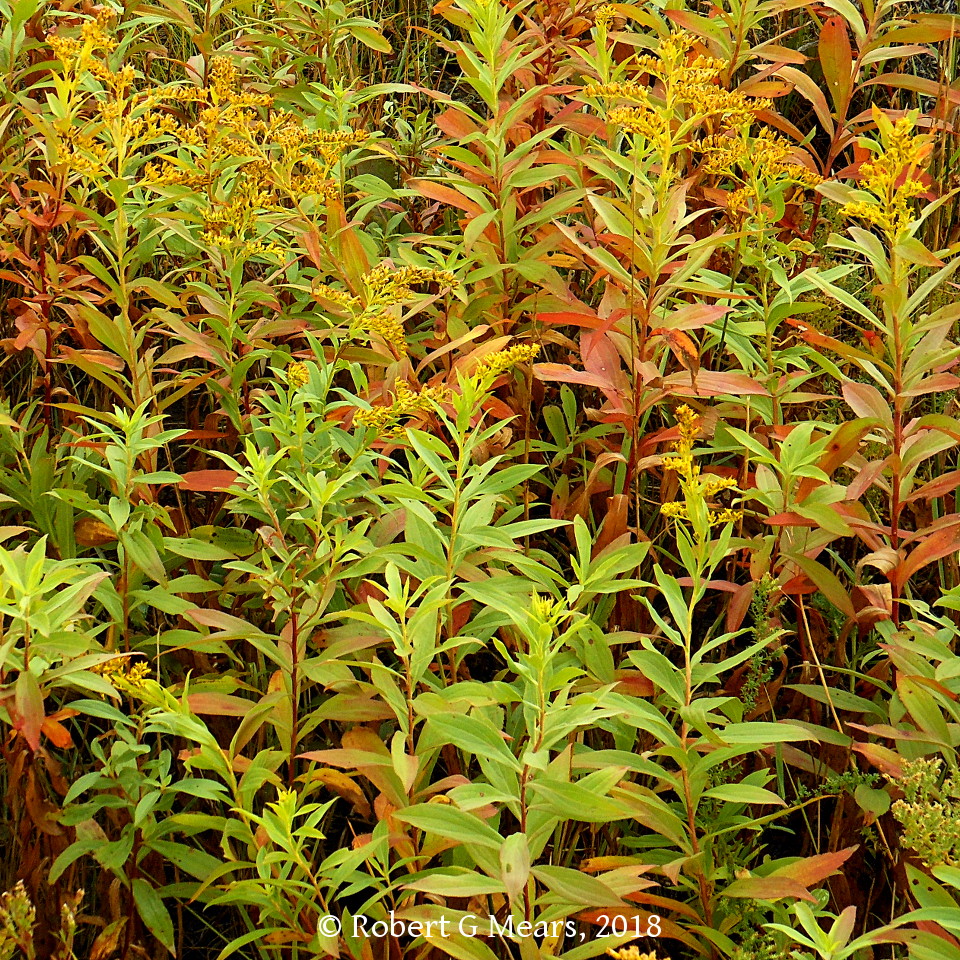
Hey. Thanks for the visit. We're giant goldenrod, Solidago gigantea Ait.. We've been pollinated and will have our seeds ready shortly. As you can see our stems and leaves turn orange-red in the fall.
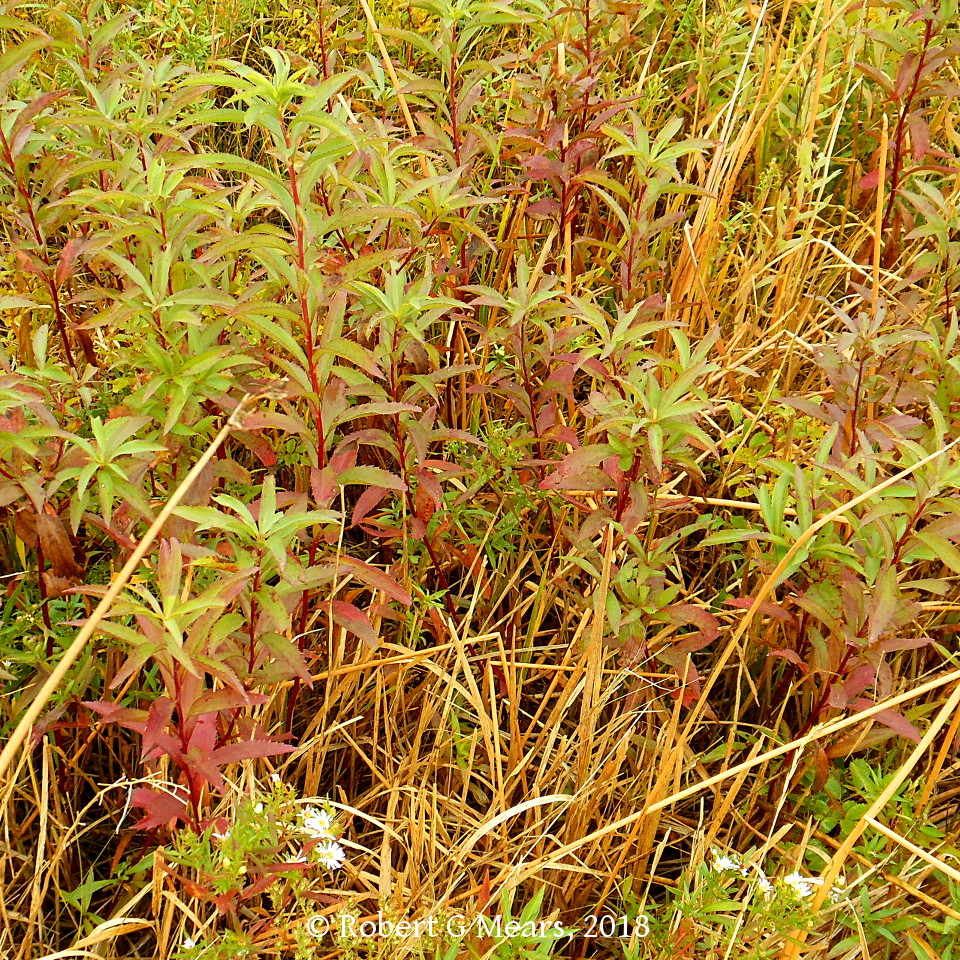
Hey man. Good to see you. Yeah, we're Missouri goldenrod, Solidago Missouriensis. We're late starters; which means we didn't flower this year. We turn crimson-red in the fall. Goldfinches and sparrows like our seed (when we produce it, of course.)
180928tap images for gallery view
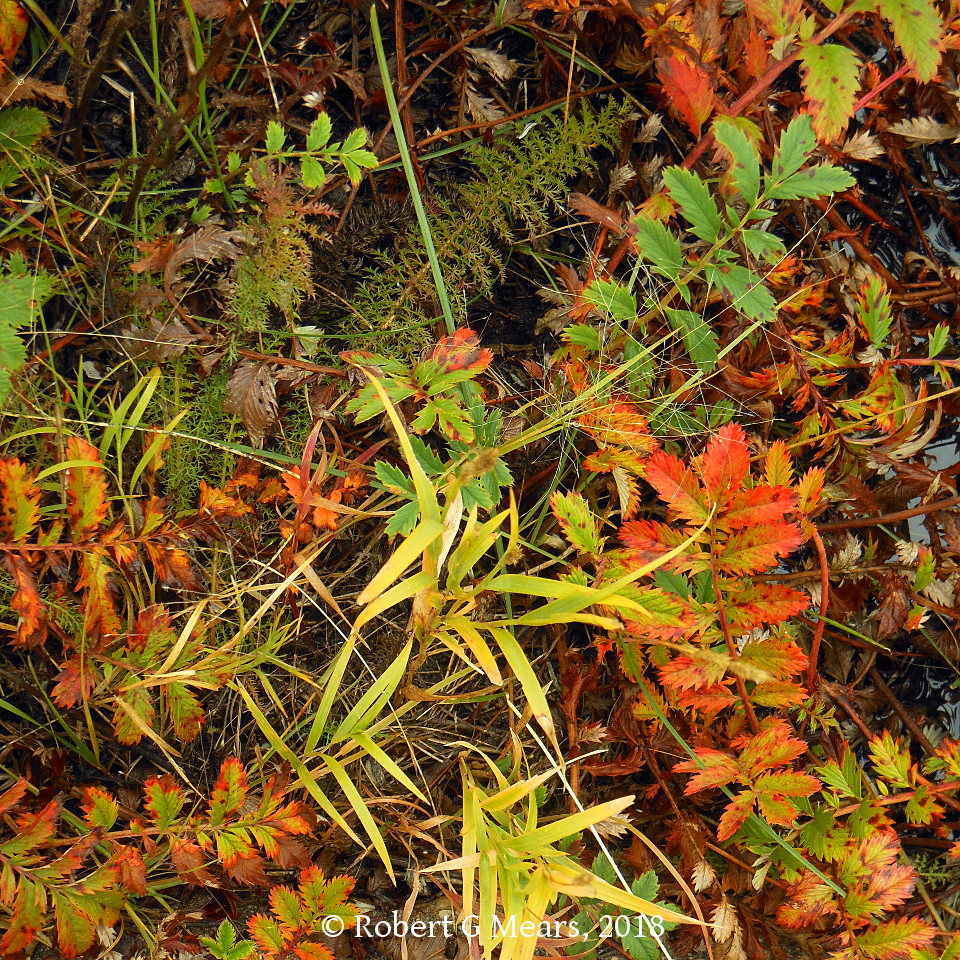
Good morning. We're silverweed, Potentilla anserina. We turn a bunch of colours in the fall. Yellow, orange, scarlet. Did you know that when Domesticuts first arrived in the grassland many would have starved if the Wildernots hadn't shown them they could eat our roots?
Oh, that's scratch grass, marsh muhly and yarrow growing with us.