June 21 tap images for gallery view

So what's in a name? Mine for example: Canada hawkweed, Hieracium canadense. Yeah, so, you might say.
Well, there's another plant that looks exactly like me. It's exotic and called narrowleaf hawksbeard, Crepis tectorum.
Notice the difference: WEED > BEARD.
Here's the rub. That other plant IS weedy and I'm not.
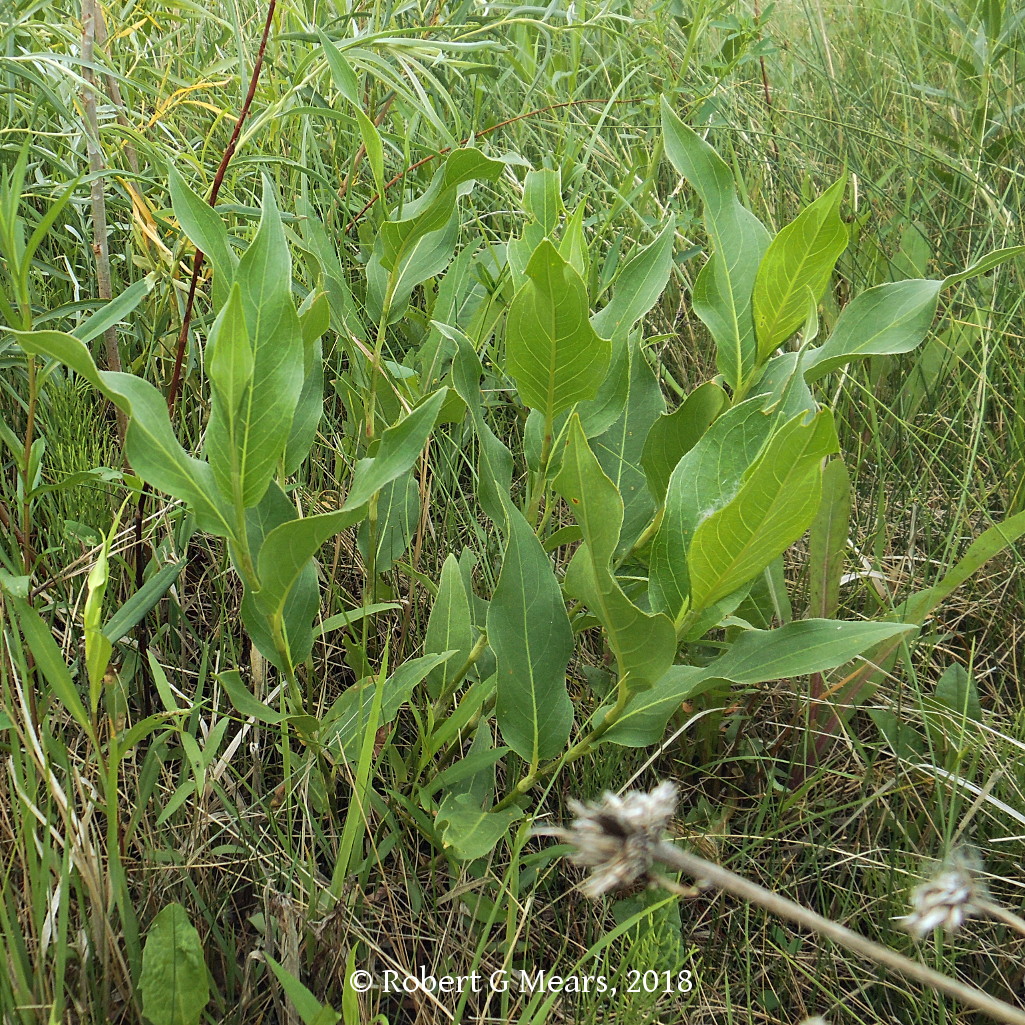
Here we go with the WEED thing again. I'm smartweed, Polygonum amphibium. I do tend to spread in the right spot. I like lots of moisture, may even grow in a bit of water. But it takes years for me to become a "patch".
I have amazing bubblegum pink flowers as you will see if you go to my page.
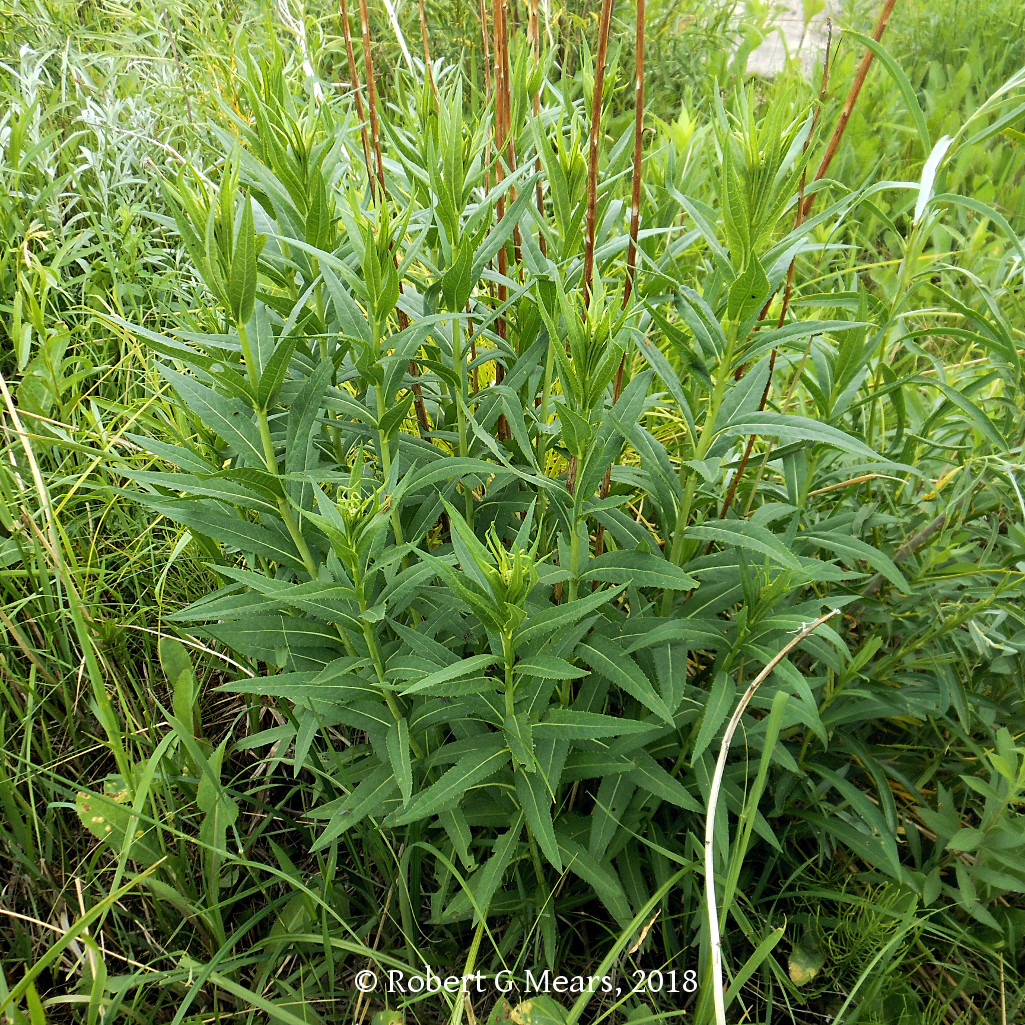
You really have to wonder about those DomesticutsIn my story, the grassland, I refer to indigenes as Wildernots and settlers (mostly European) as Domesticuts. calling us weeds just because we're wild, native plants. They named me ironweed, Vernonia fasciculata. Meanwhile, there's nothing weedy about me. I've been on this site for six or seven years and haven't volunteered once.
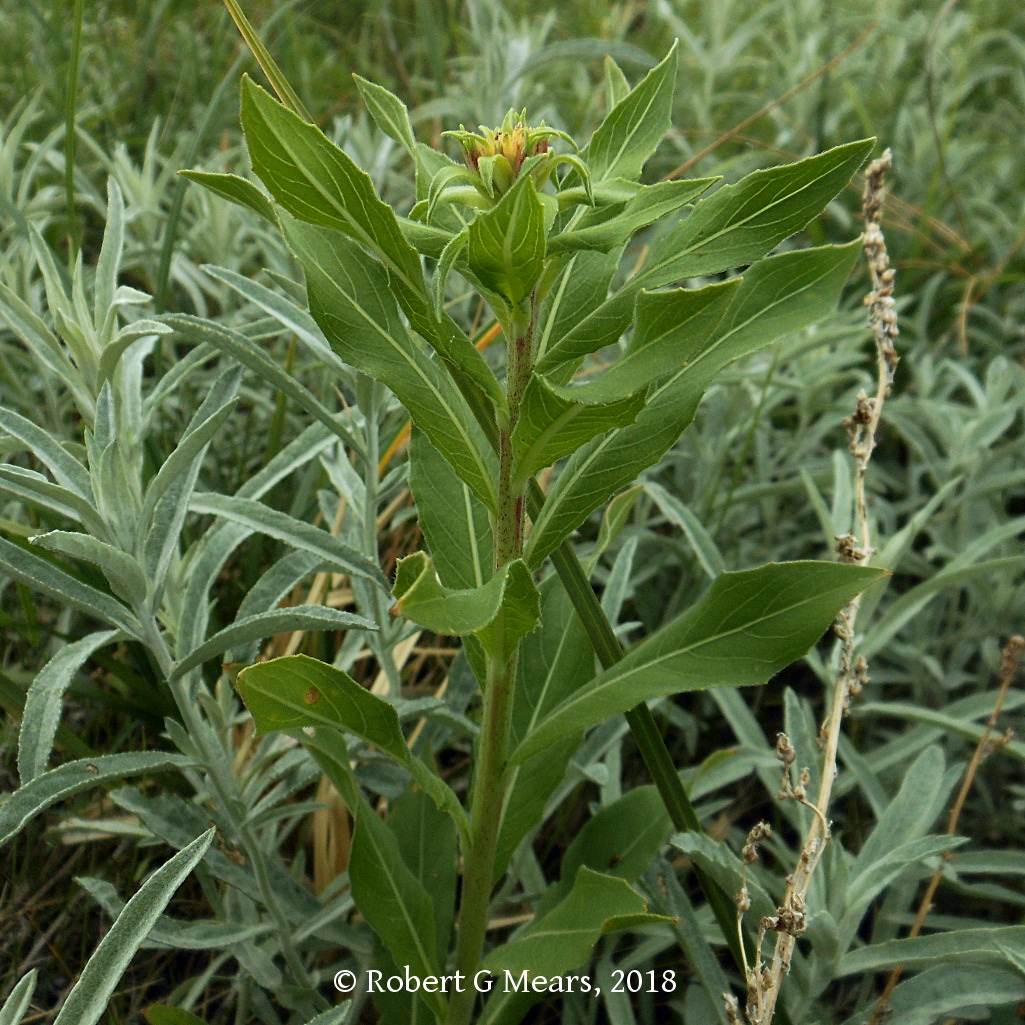
Yellow evening primrose, Oenothera biennis, here. I start small the first year, then grow to my full height (1 m) and flower the next. My seedheads pop open at some point, which is how we spread. And boy do we spread. In a controlled garden setting you might think I'm weedy.
June 22 tap images for gallery view
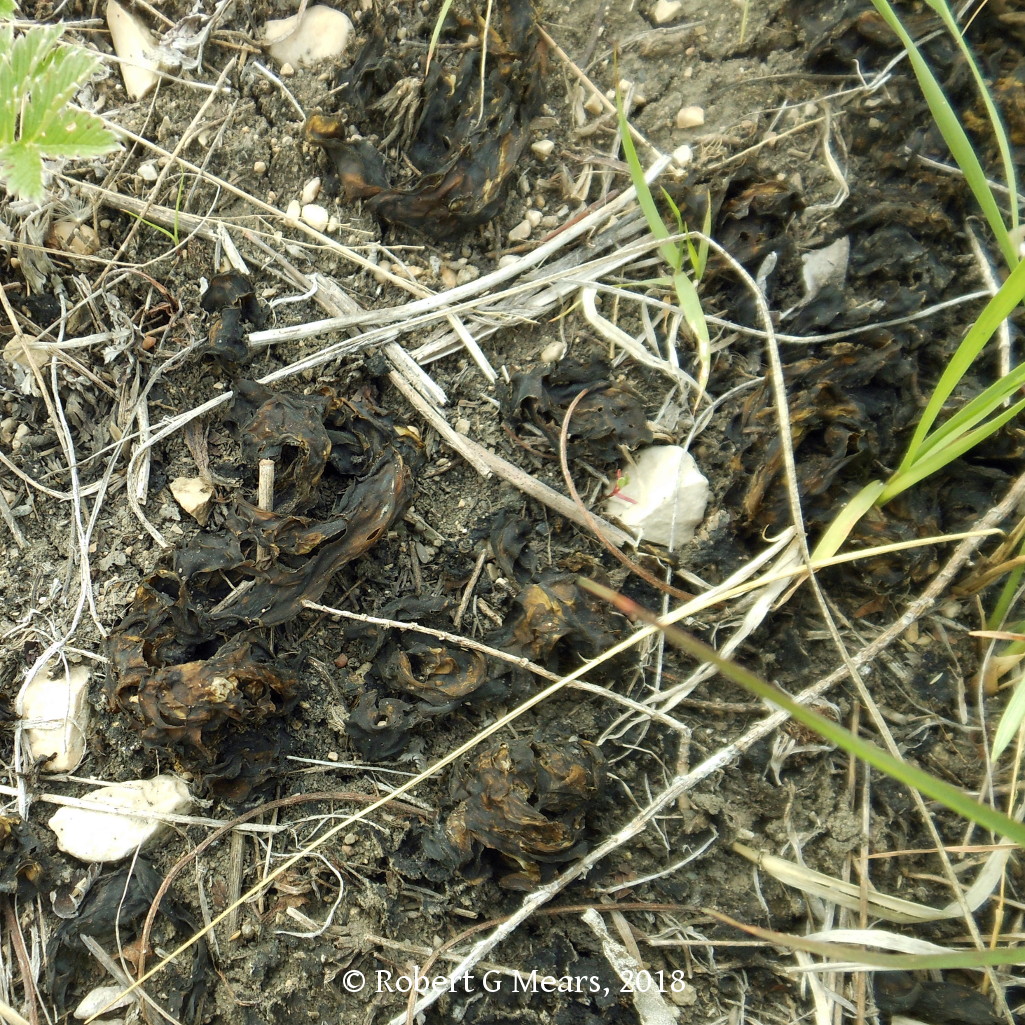
Jelly lichen, Collema crispum, again. This is what I look like when I'm dry.
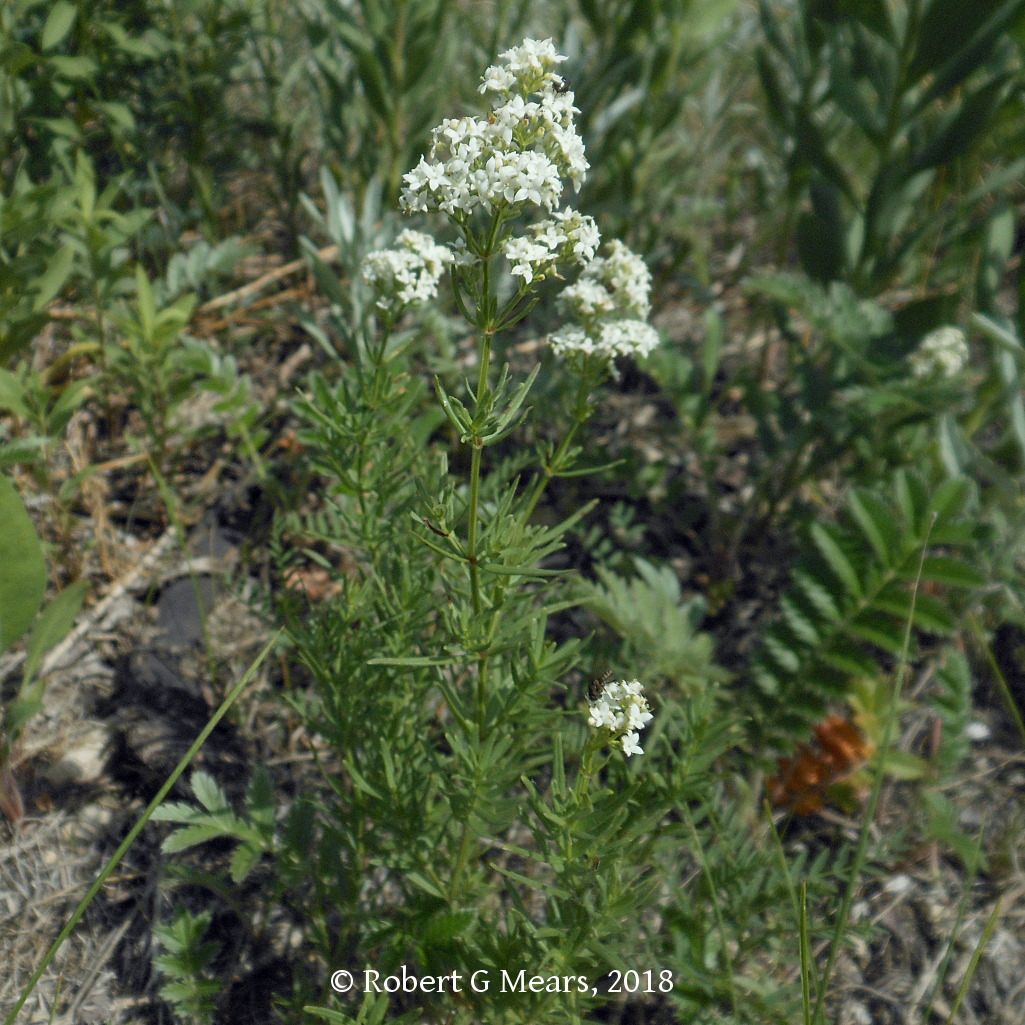
Howdy. I'm called northern bedstraw, Galium boreale L.. I was used as a fragrant stuffing for mattresses and pillows which is why they call me bedstraw. I tend to grow in patches.
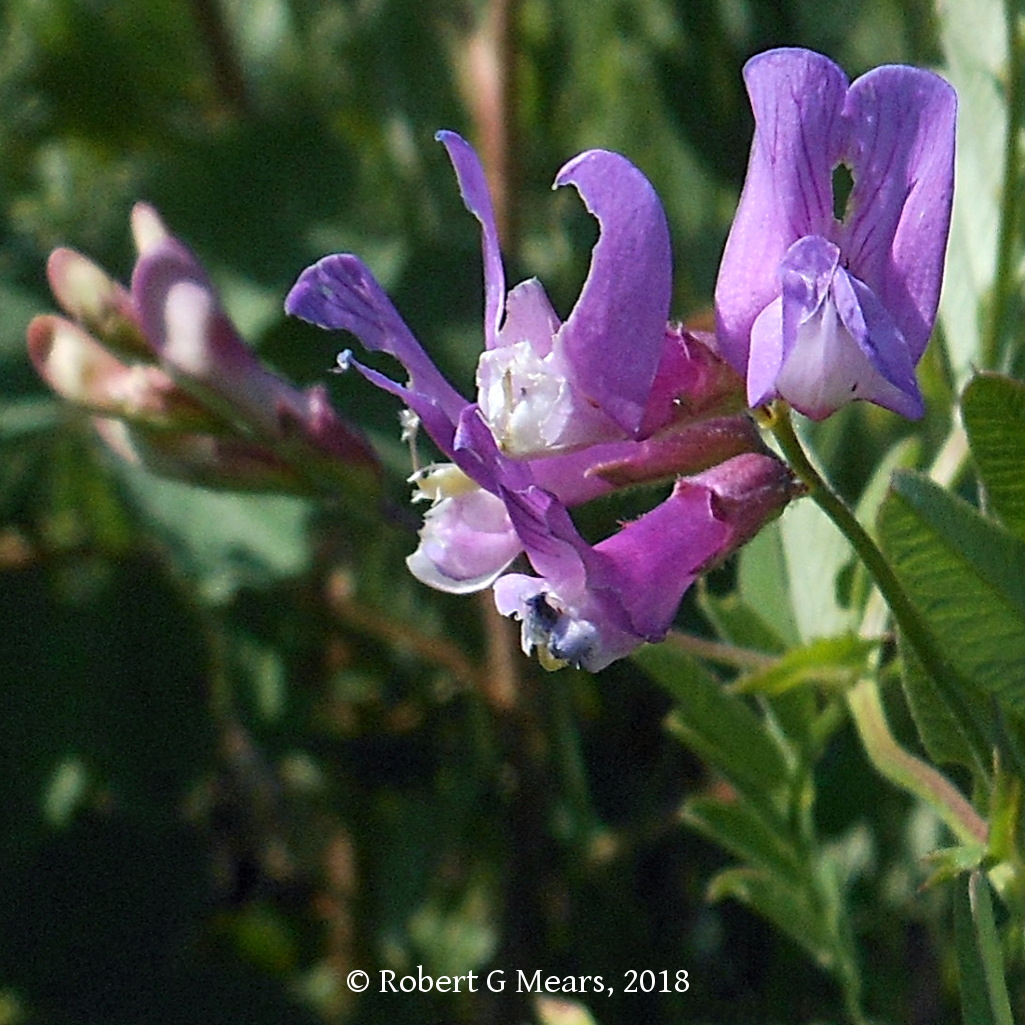
American vetch, Vicia americana, here. Sometimes there are faces in my bright magenta and white flowers.
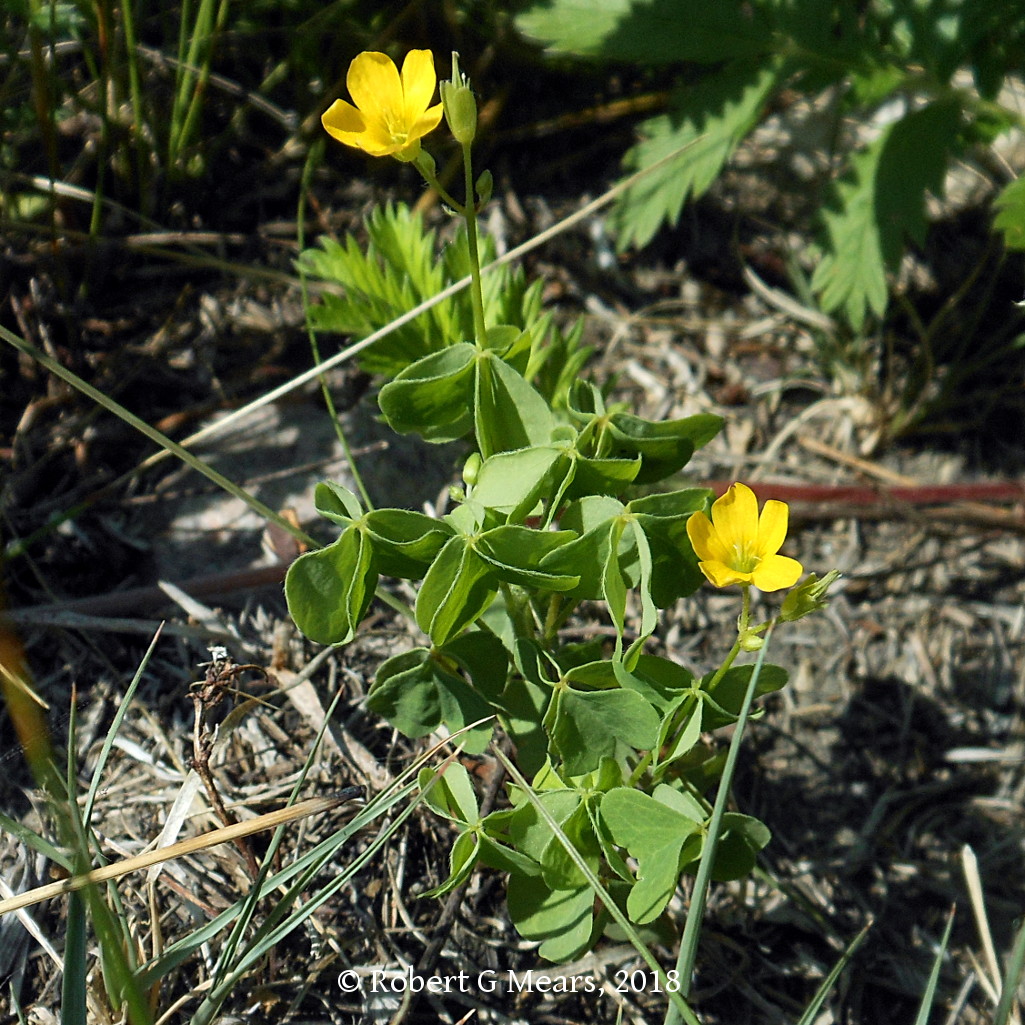
Yellow woodsorrel, Oxalis stricta L., here. I'm part of the under story. Some people—you know, the ones with controlled gardens—don't like me because I can spread all over the place. Just doing my job.
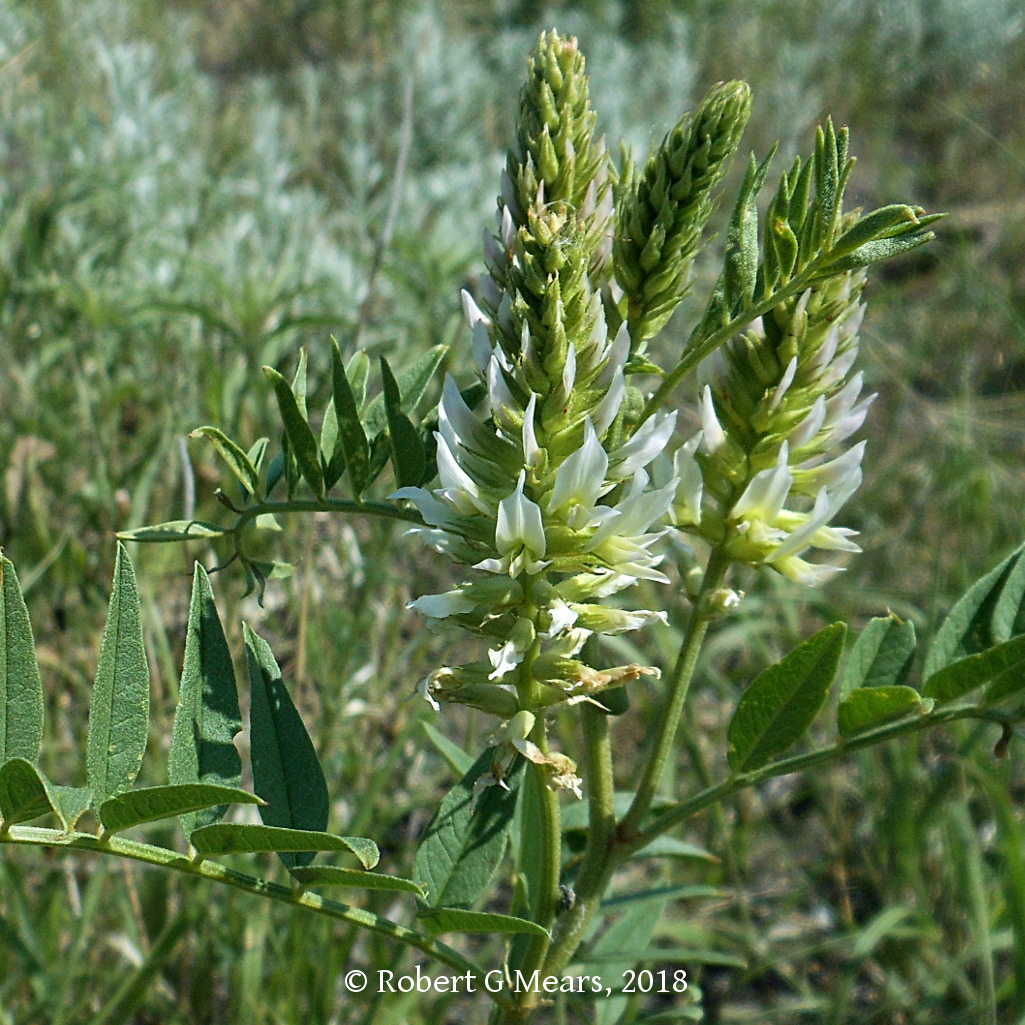
I'm wild licorice, Glycyrrhiza lepidota, and I have the funkiest flowers.
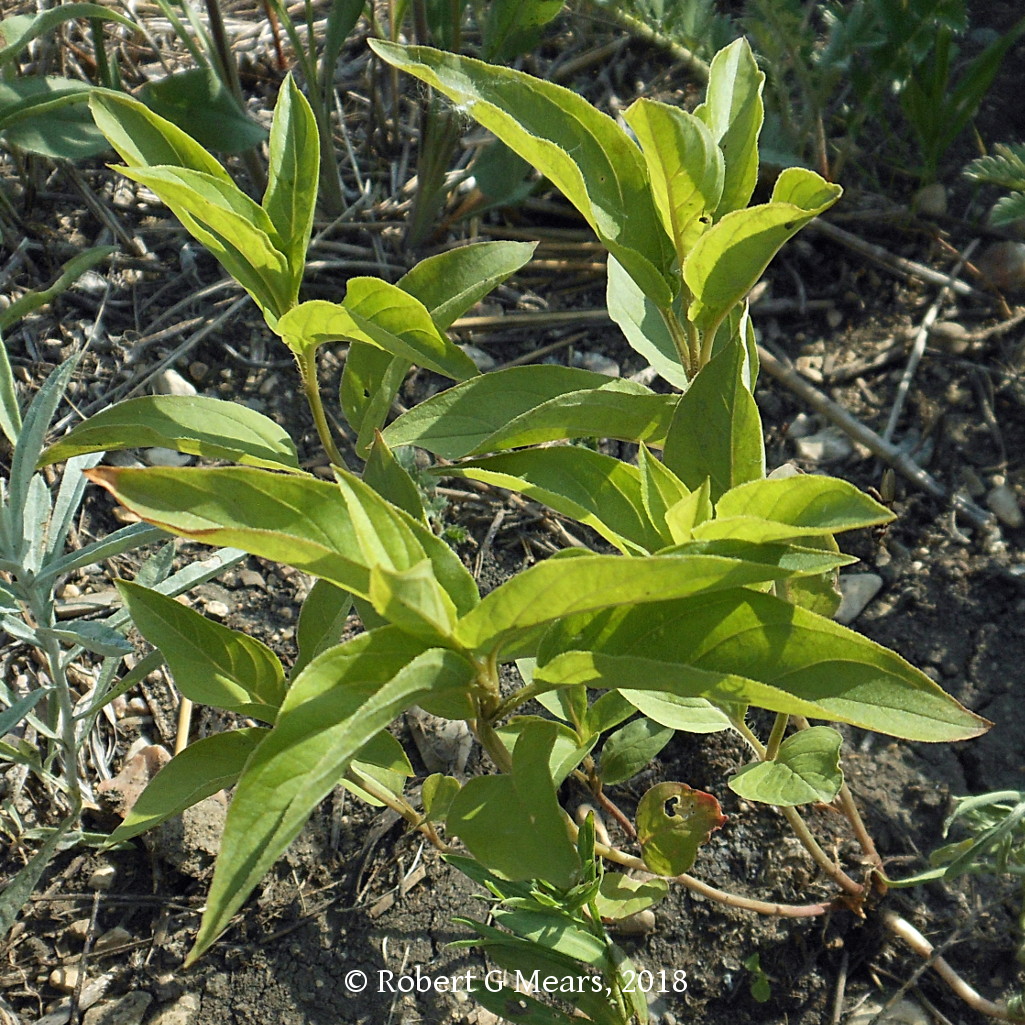
You can't judge a forb by its name. I'm fringed loosestrife, Lysimachia ciliata L.. Unlike that other loosestrife—you know, the purple one—I'm from these parts and NOT invasive.
My flowers are yellow and they hang down.
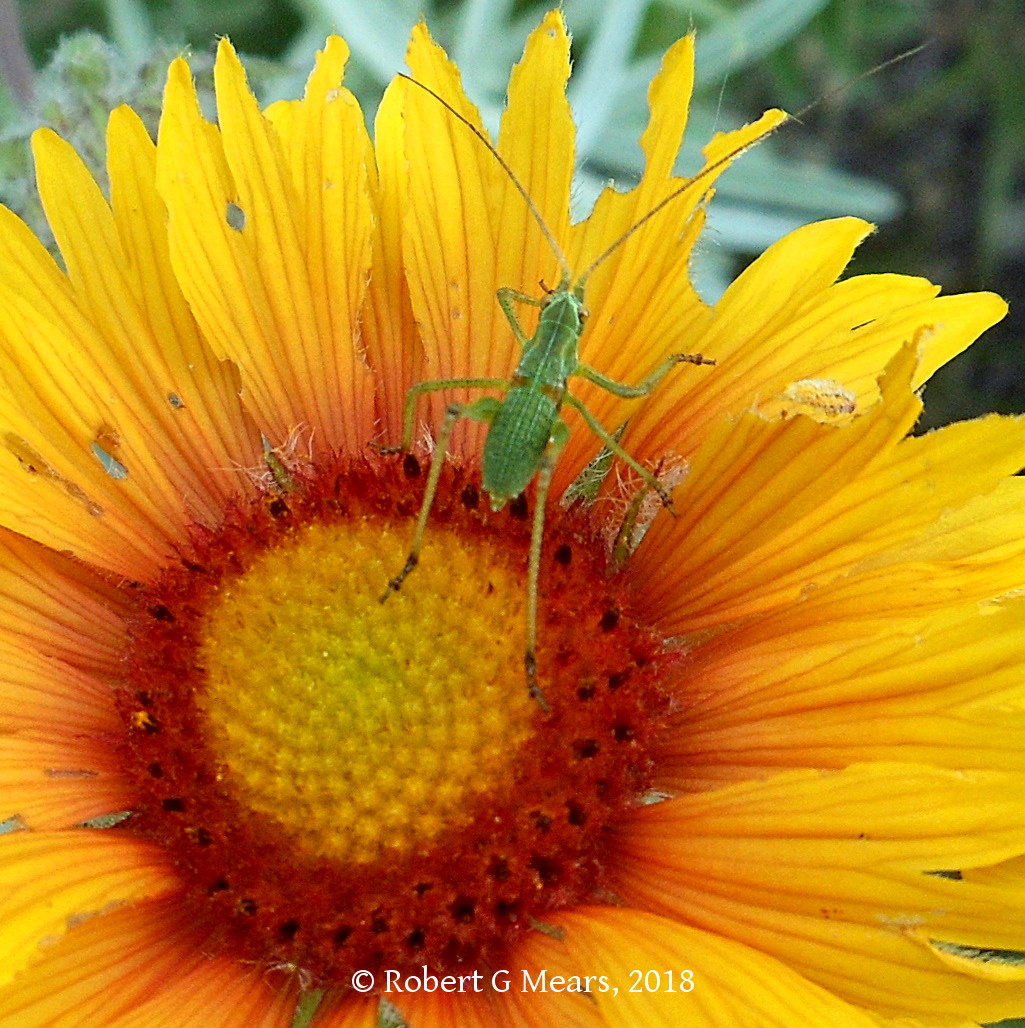
I'm a katydid and I've got to tell you, "These gaillardia petals are yummy."
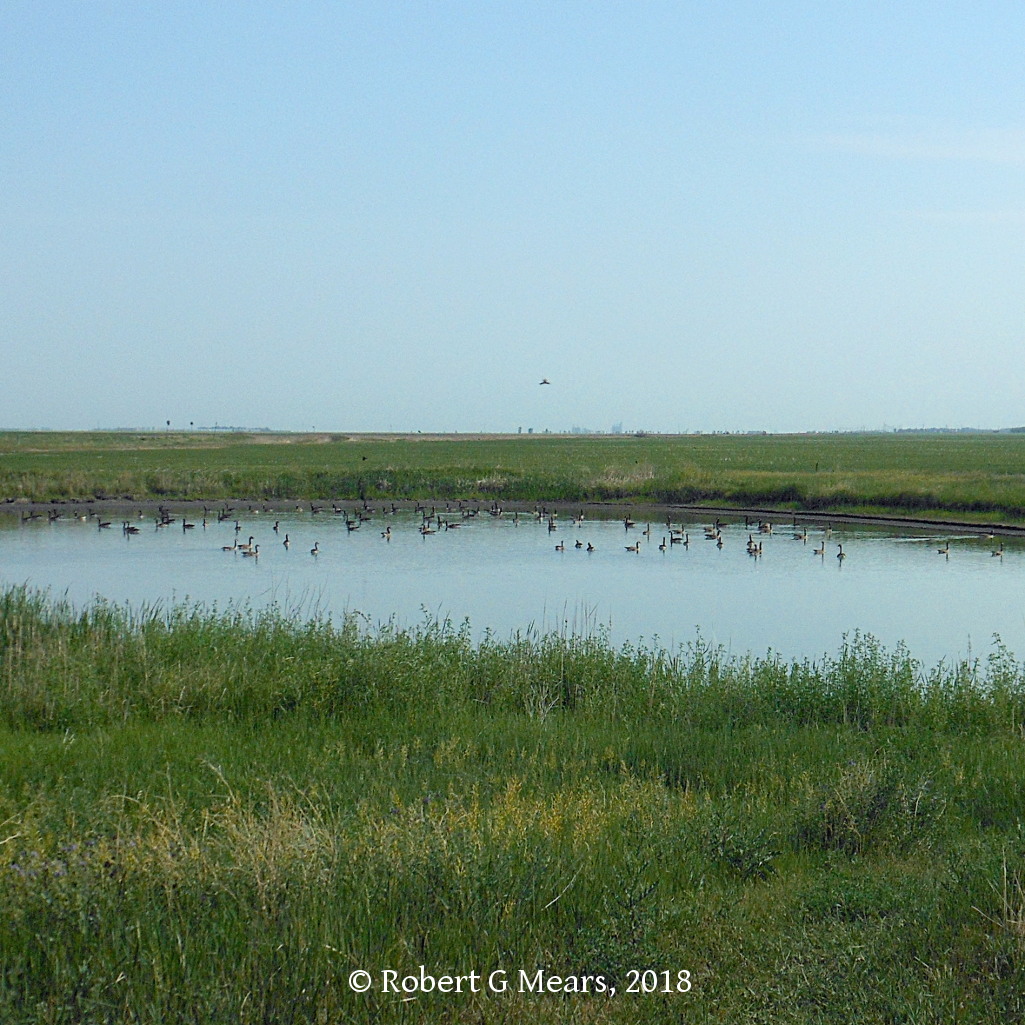
You've heard of a gaggle of geese.
Well this is a conference; sort of a singles meet up.
We are Canada geese.
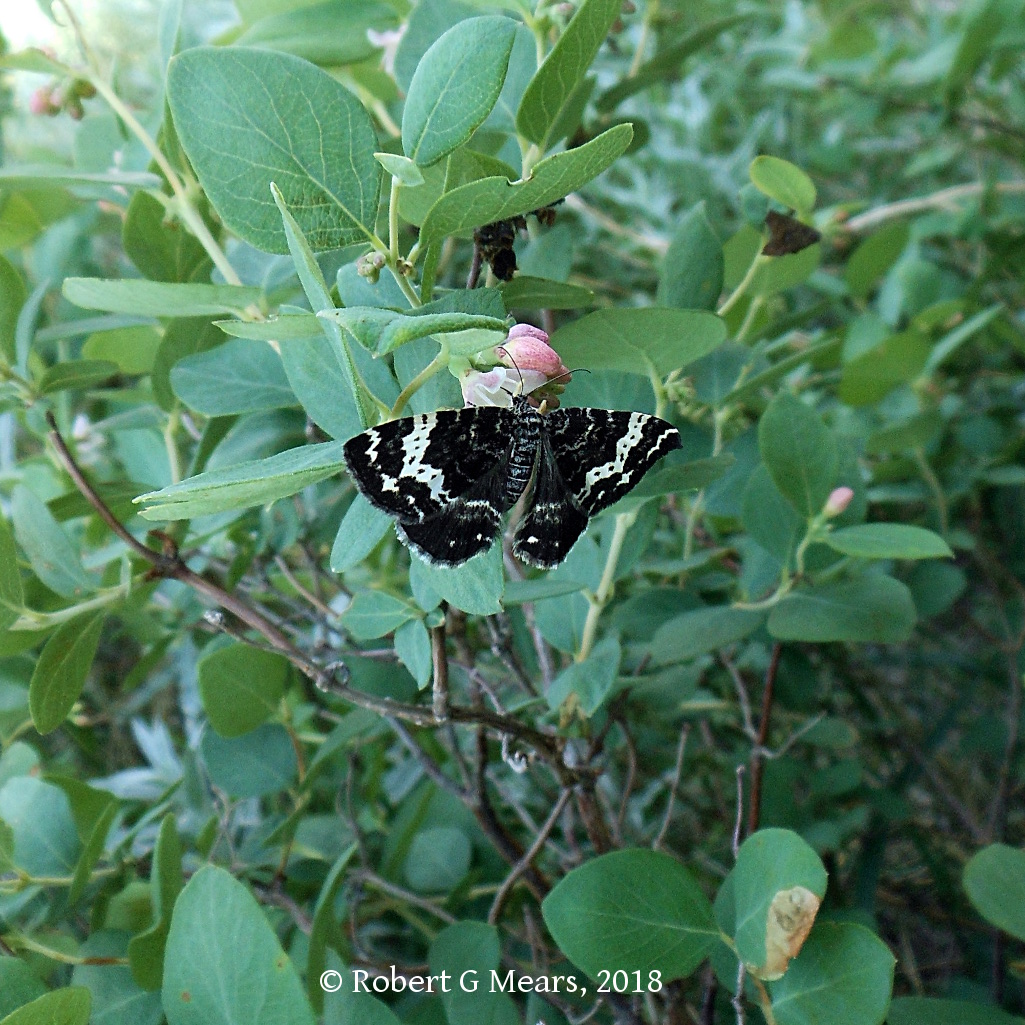
I'm a spear marked black moth, Rheumaptera hastata, and I really like the nectar from this snowberry flower.
June 23 tap images for gallery view
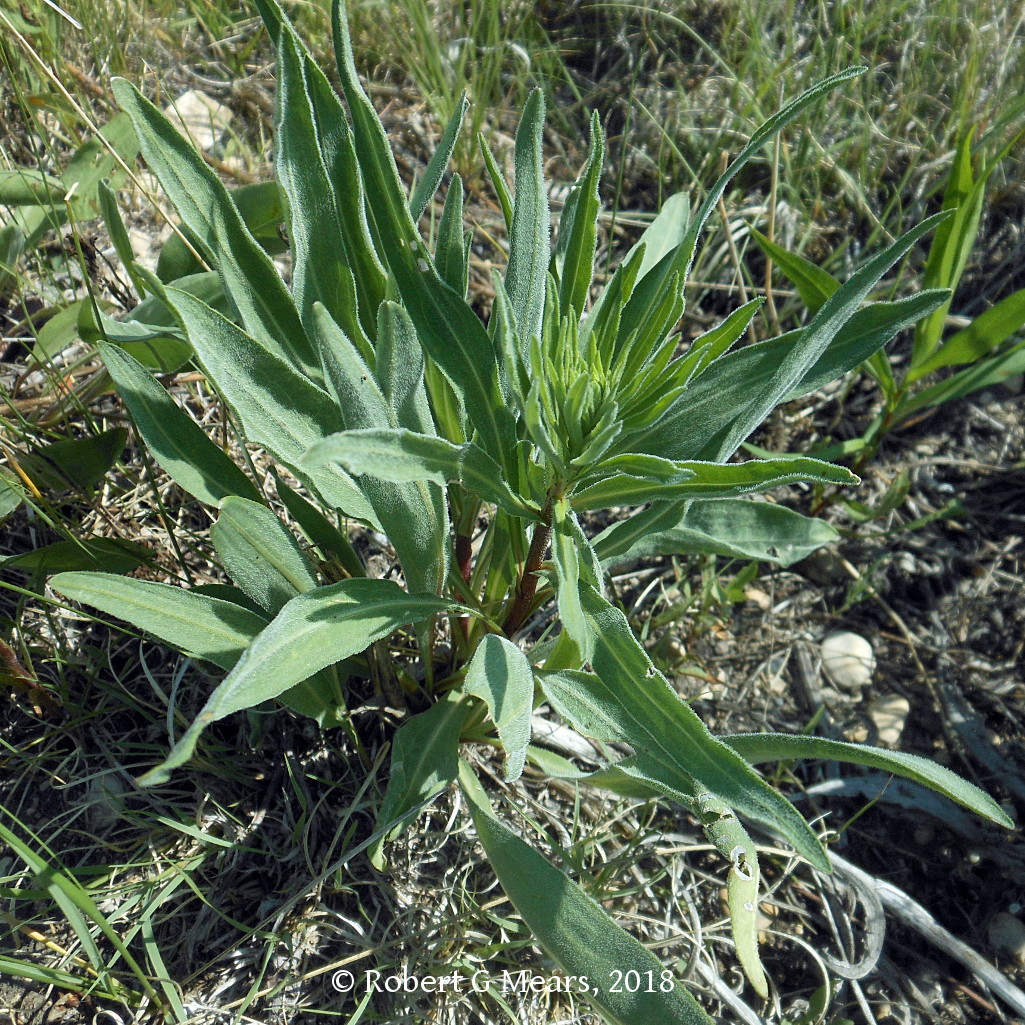
Hello there. They gave me such a great name: "meadow blazingstar". Even my Latin name rolls off your tongue ever so nicely: Liatris ligulistylis. The meadow part means I like being out in the open; I get lots of sunlight that way.
My nectar is a favourite of butterflies. And one caterpillar (salt marsh) likes to eat my flowers.
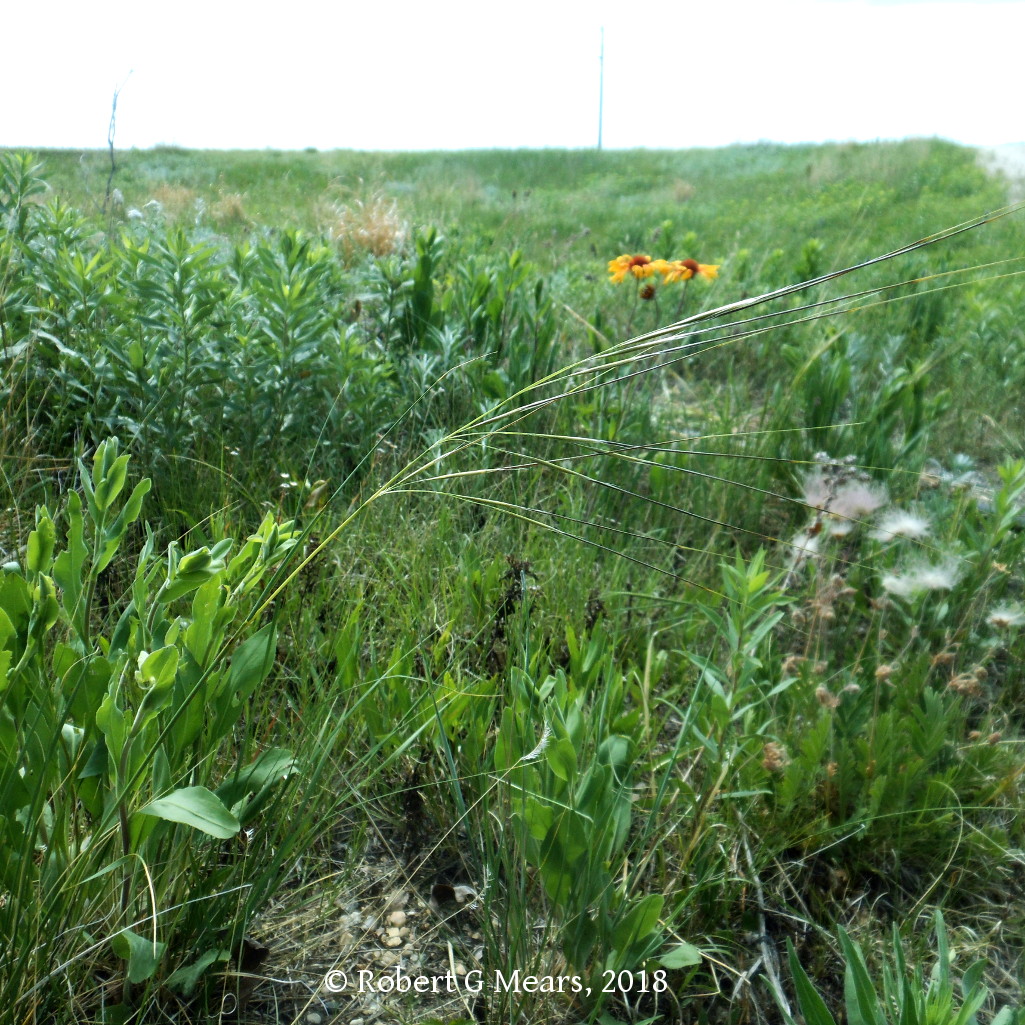
Hey, I'm needle & thread grass, Hesperostipa comata (Trin. and Rupr.) Barkworth. If you think foxtail barley seeds are pointy wait 'til you've touched mine. My super long awns (that's the long strand) twist and straighten when humidity changes. That's how my seed works its way into the ground.
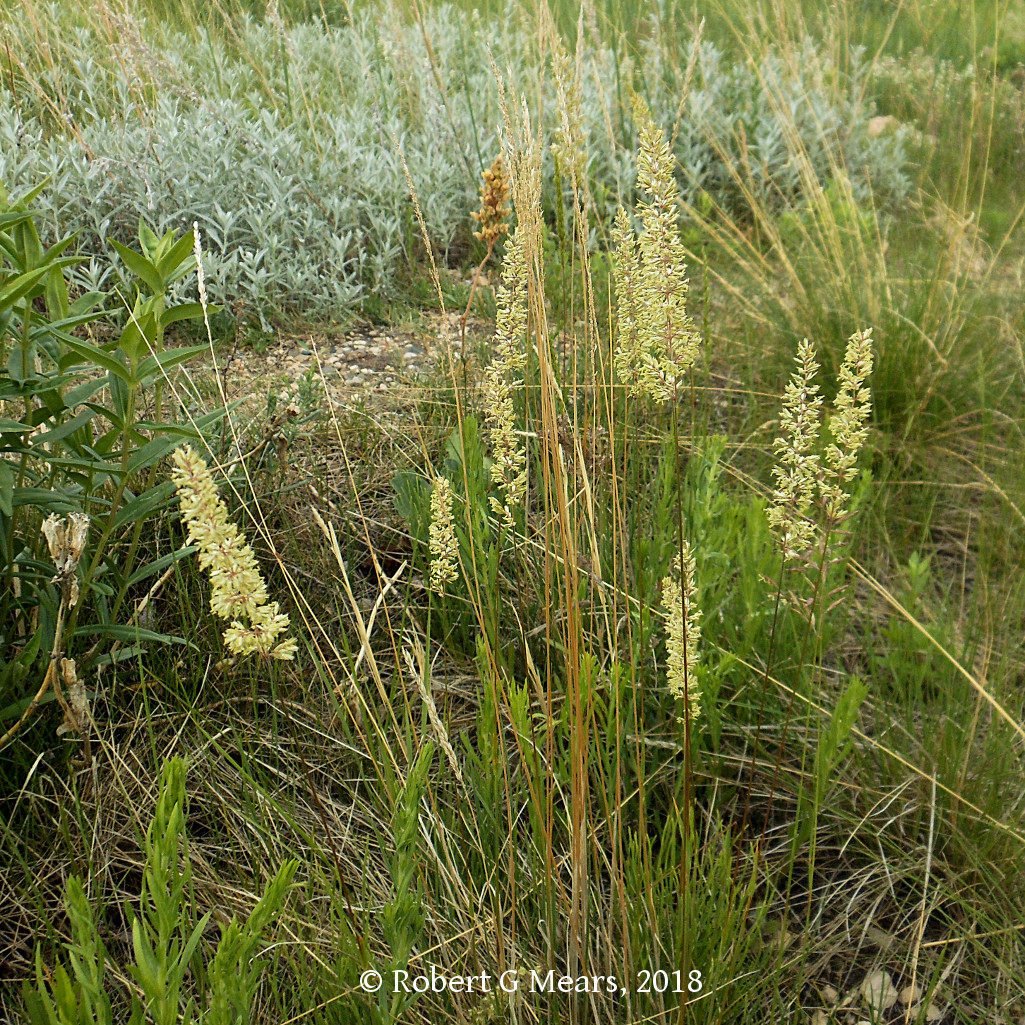
Good morning. I'm junegrass, Koeleria macrantha. That's because I flower in June. Once I get settled, I'll pop up here and there around a site.
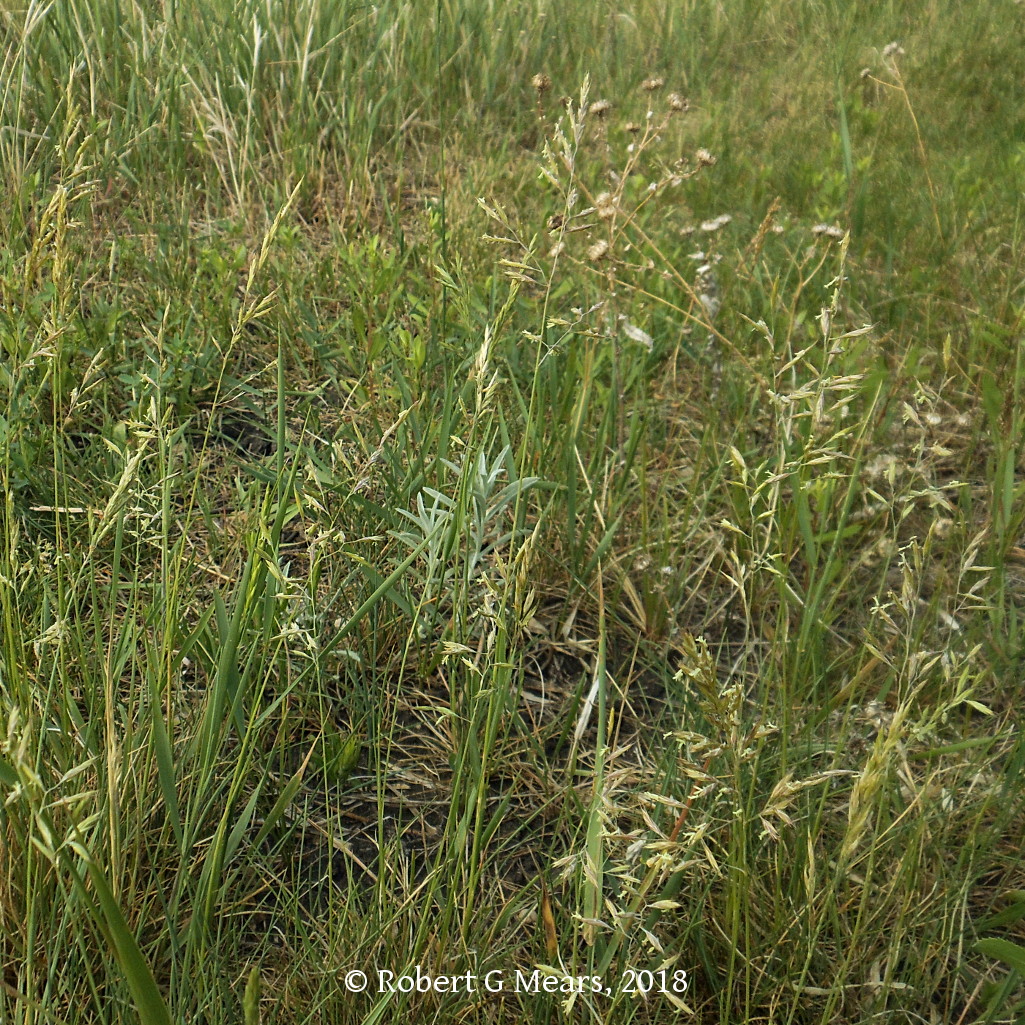
I go by plains muhly, Muhlenbergia cuspidata. There are a bunch of muhlies as it turns out. We were found by an 18th century botan named Gotthilf Heinrich Ernst Muhlenberg.
When we first emerge we look sort of like Kentucky bluegrass. But when our seedheads open there is no mistaking us.
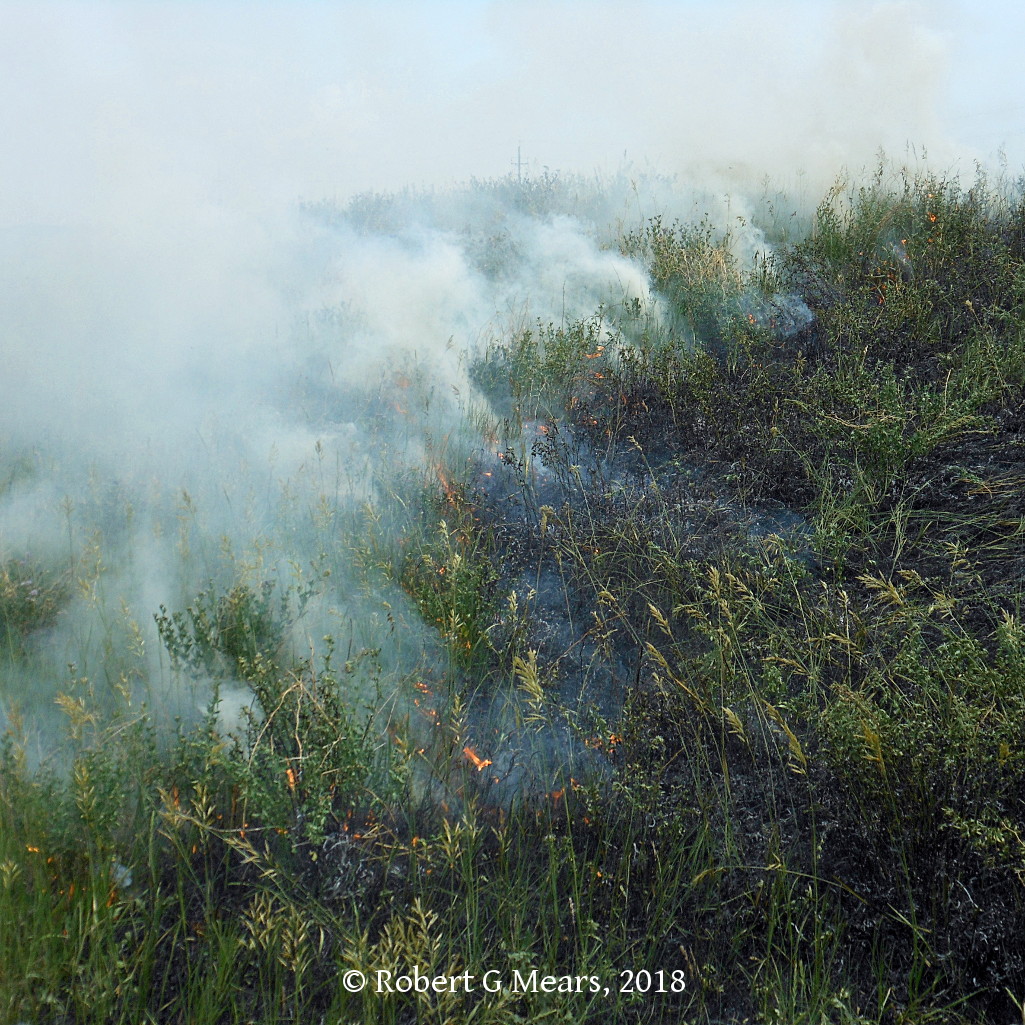
Prior to the arrival of DomesticutsIn my story, the grassland, I refer to indigenes as Wildernots and settlers (mostly European) as Domesticuts. in North America much, if not all, of the continent was burned fairly often. Initially, this was due to lightning started fires. Over time, though, indigenes learned that burning was beneficial to plants. It also kept some insect populations in check. (Think wood ticks.)
Today, the best time to burn (in this case) grasslands is in the spring or fall. The intent is to turn thatch into ash which delivers nutrients more quickly into the soil than decomposition does. Burning off the thatch also gives the upcoming plants more space to grow.
The image here is of burning in mid-June. The reasons for burning this late in the season are twofold: If burned regularly for five or six years, creeping thistle (formerly misnamed Canada thistle) is eradicated. And, grasses like smooth brome, quackgrass and Kentucky bluegrass are flowering at this time. They will grow back but will not produce seed. This helps to alter the numbers game. Sweet clover is also eradicated over several years.
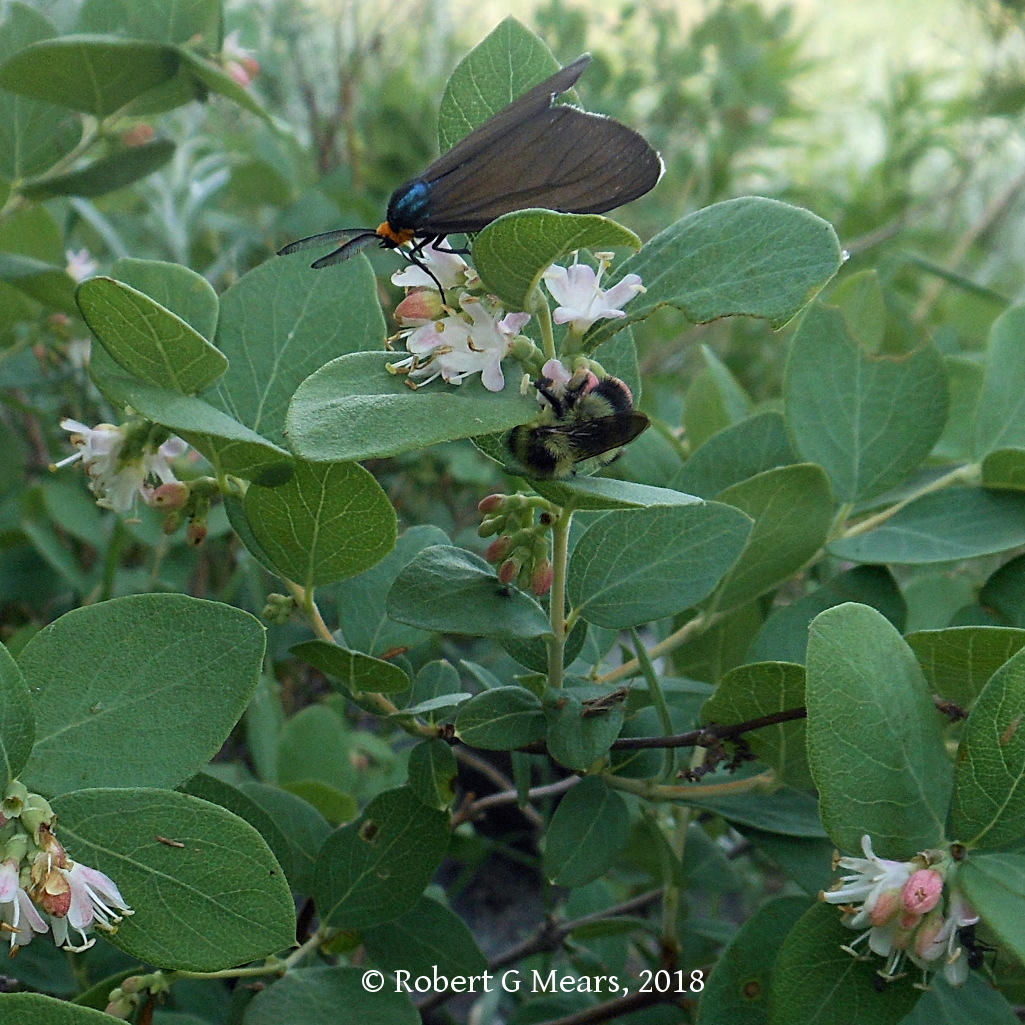
Good day. I'm western snowberry, Symphoricarpos occidentalis H.. I'm a sub-shrub. As you can see, my pinkish white flowers are popular with pollinators.