August 15tap images for gallery view
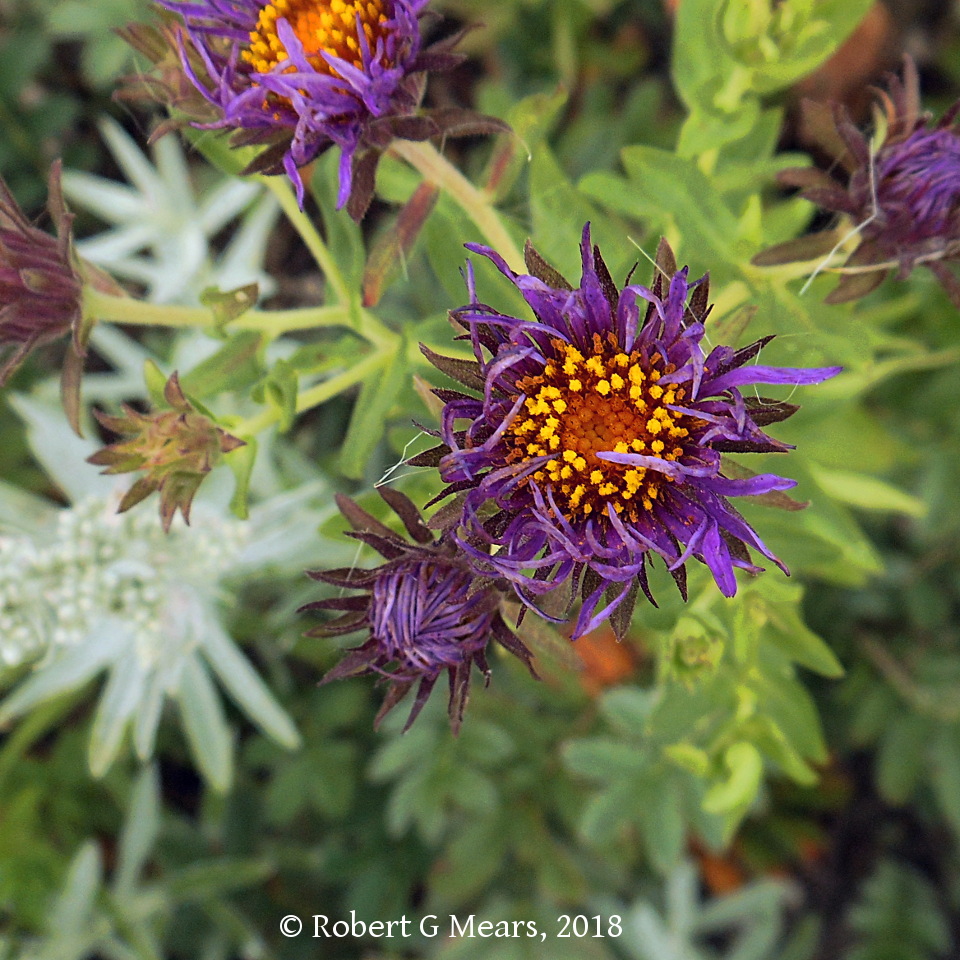
Yes. Reservations are now being accepted.
Oh, I'm a New England aster. We're popular with bumblebees. And pearl crescent and checkerspot flutterbyes lay eggs on us so their little ones have something to eat.
You can get us at both Prairie Originals and Prairie Flora.
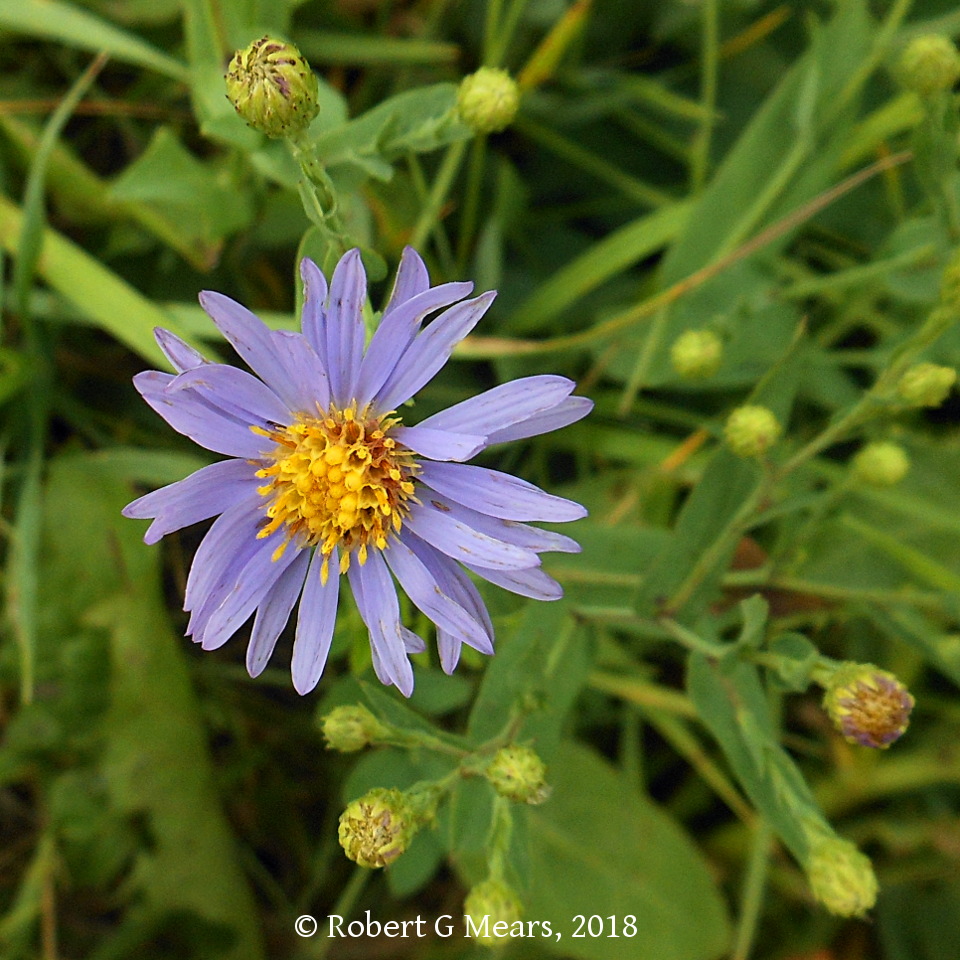
Good day. I'm a smooth aster, Symphyotrichum laeve var. laeve. We've just started blooming. Our nectar is popular with sweat and bumblebees. And we're a larval host plant for pearl crescent flutterbyes.
And, did you know, Wildernots use us in their sweat baths? Yeah. They do.
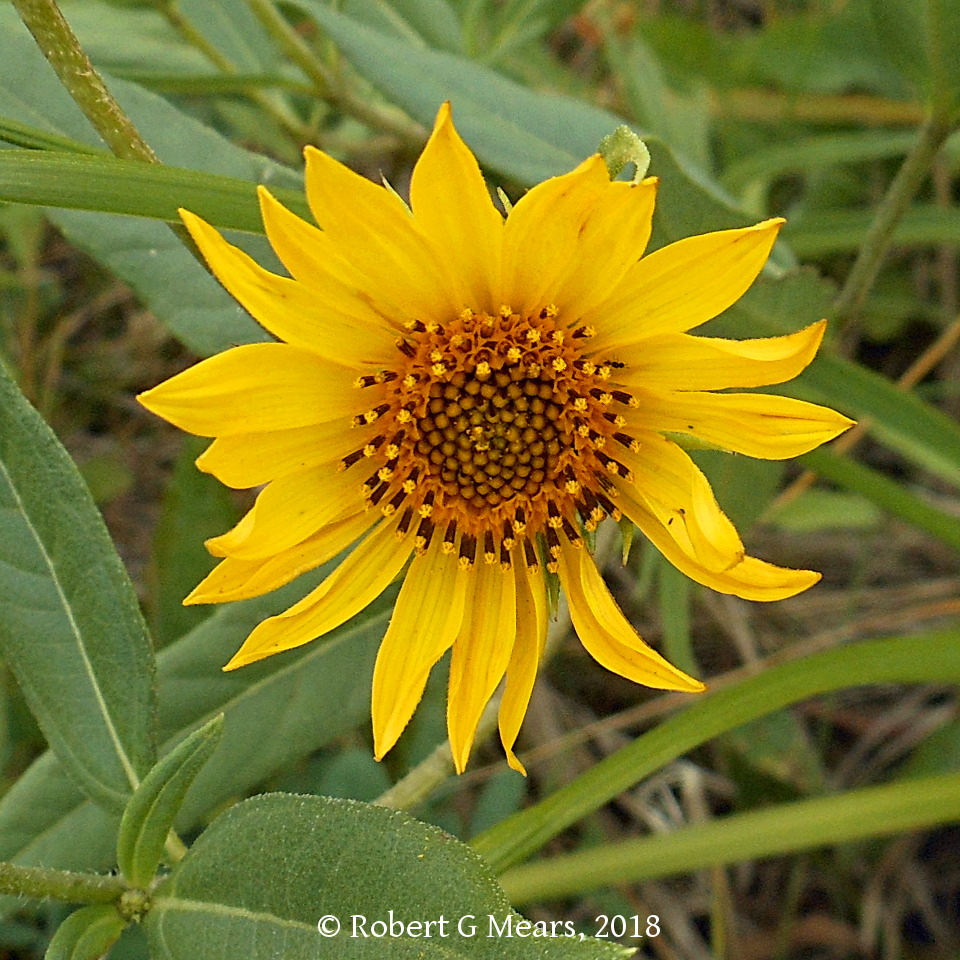
Hey! Nuttall's sunflower, Helianthus Nuttallii, again. As you can see, the lunch crew has been working overtime.
Oh, did you notice the Fibonacci arrangement of my pistils?
August 16tap images for gallery view
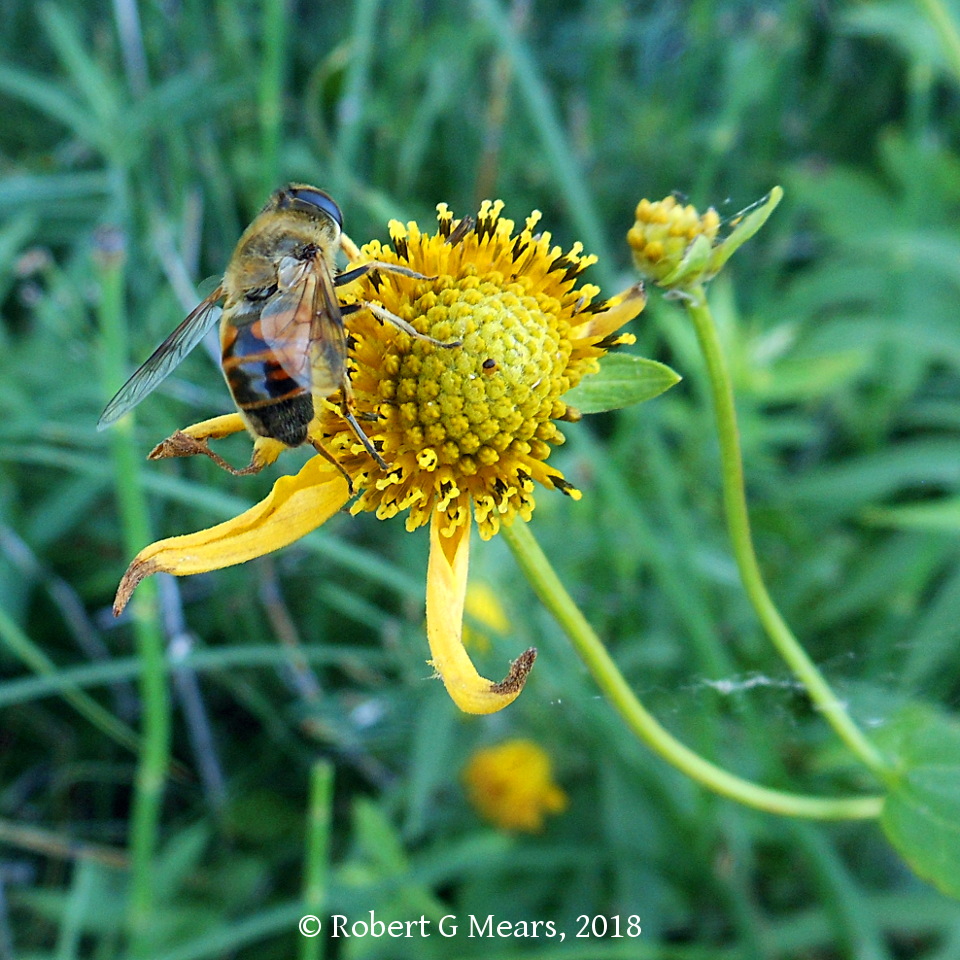
Hello. I'm a drone fly, Eristalis tenax. We're part of the hoverfly (syrphid) family. But since we look like worker bees—drones—entoms call us ...
We're not originally from these parts. We hail from Europe. These days we've wandered the globe except for Antarctica.
Our larvae are cool little critters that eat bacteria in poorly drained or stagnant areas. They're called rat-tailed maggots.
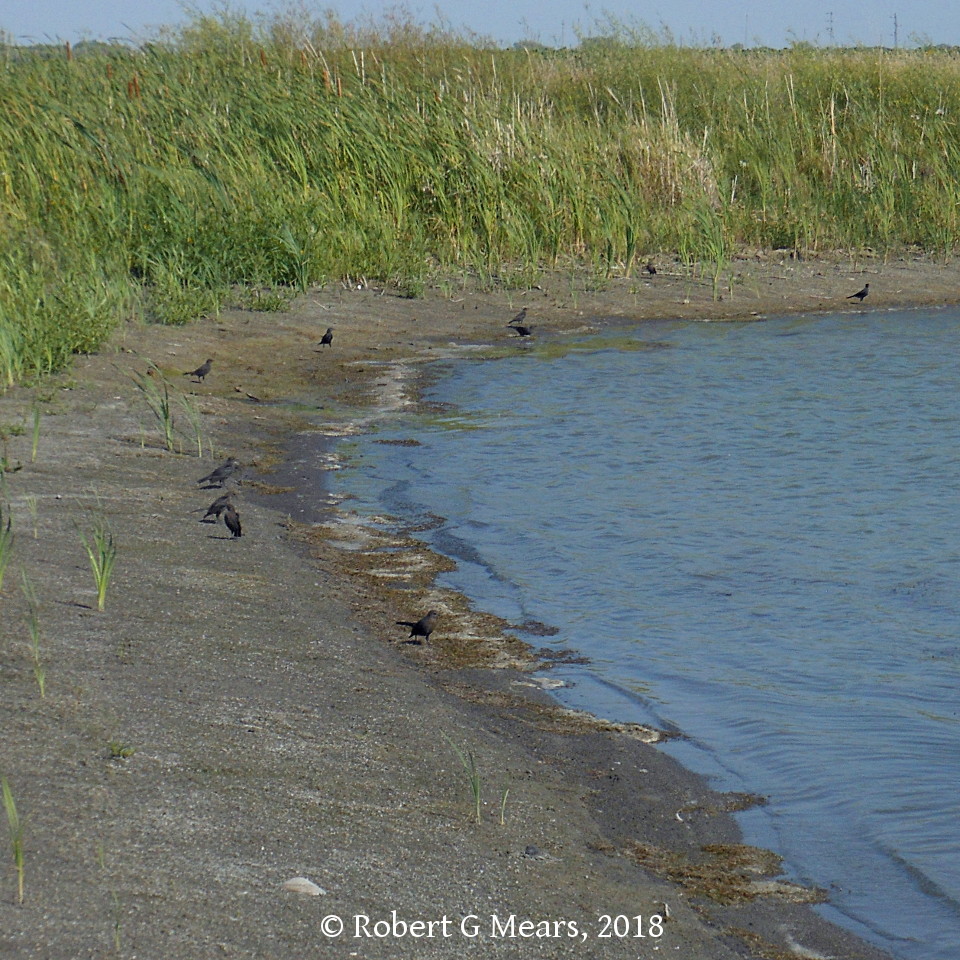
Hey. We're brown-headed cowbirds, again. We're starting to get ready to fly south. First we gather in largish groups. (Flocks, I think you call them.) We also have to teach the new guys to stick together when we fly, so you'll see us flying around and around. In the meantime we like grasshoppers and crickets at this time of year.
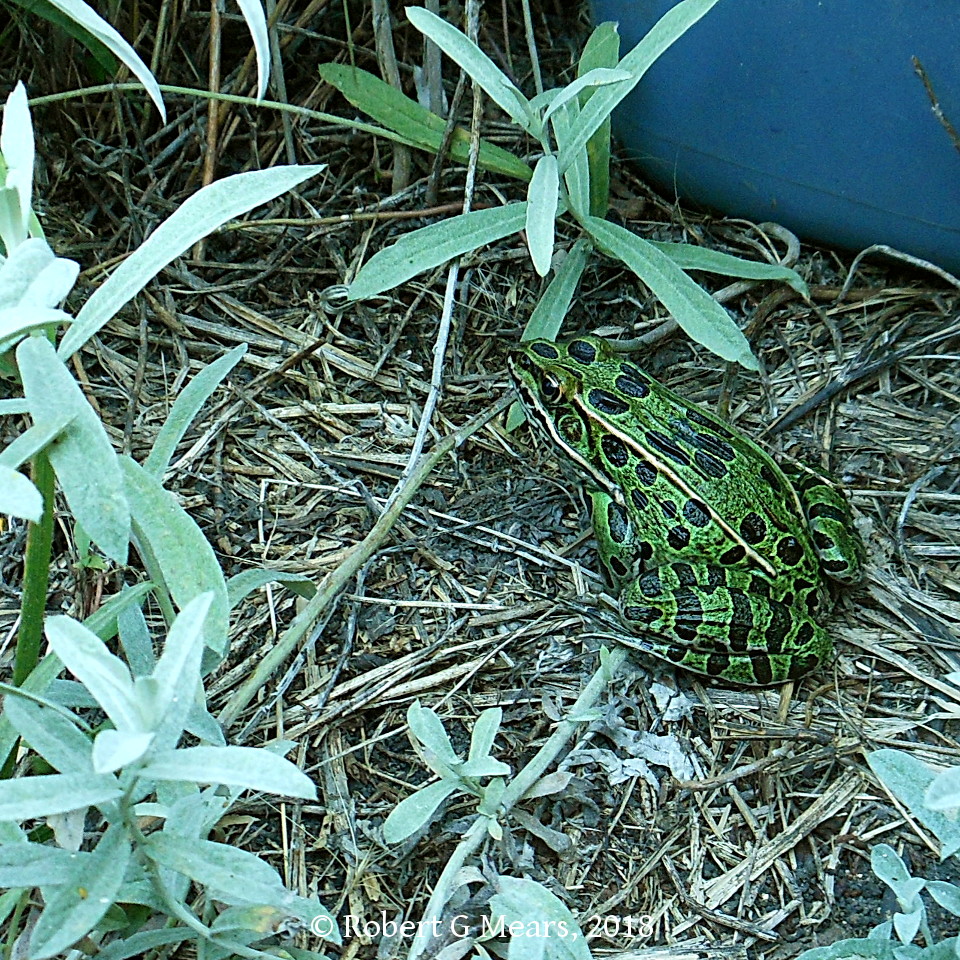
Grok to you, too. Yep. I'm a northern leopard frog. We like it here. Lots and lots of crickets and grasshoppers.
Oh, sorry. Gotta go. I hear lunch. ... hop ...
August 17tap images for gallery view
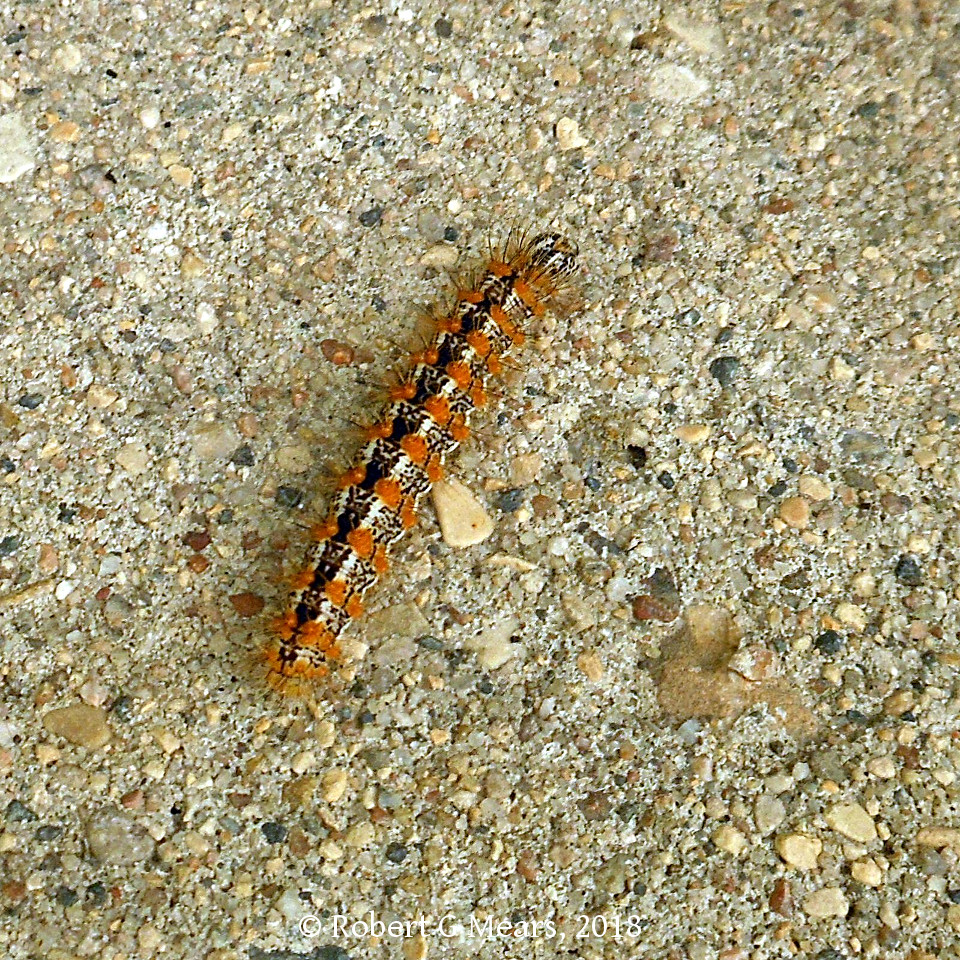
hello. do you know where the cattails are? or the smartweed? that's too far away. i guess i'll have to make do with some of the grasses over there. say what? oh, i'm a cattail caterpillar. i turn into a Henry's moth, Simyra insularis.
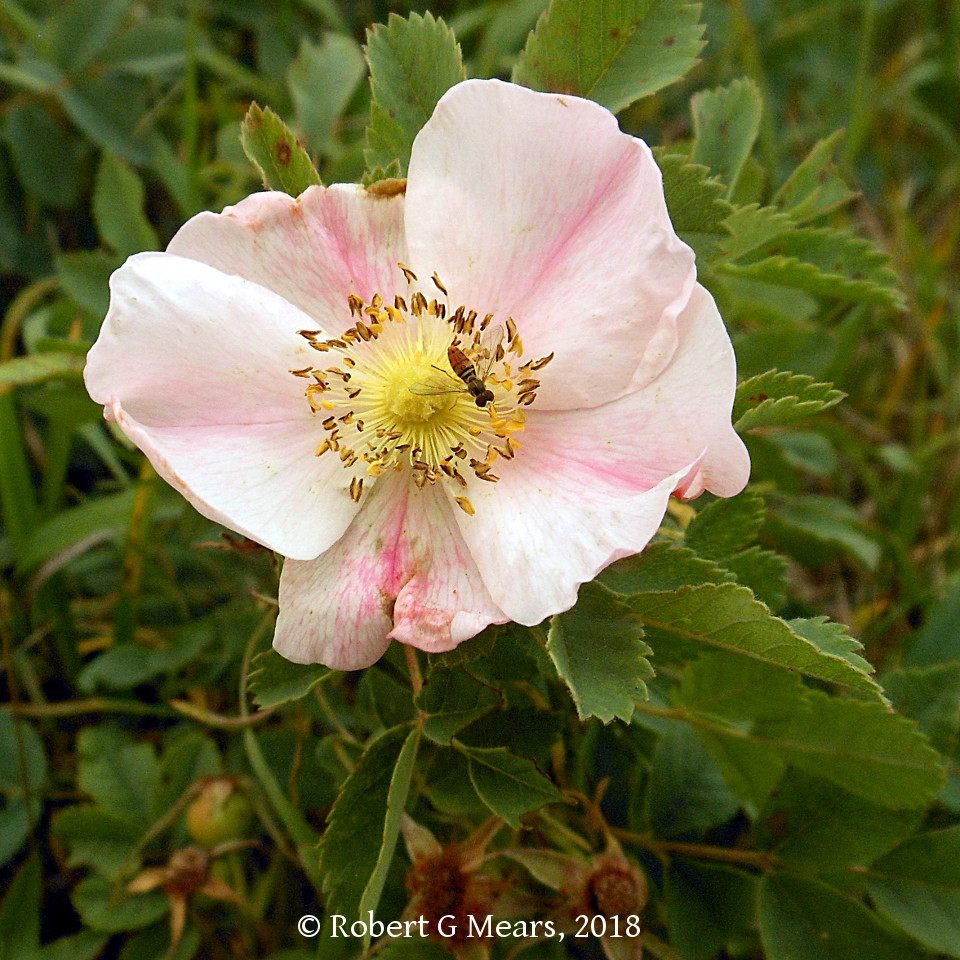
Hi. I'm a prairie rose, Rosa arkansana. Our nectar is popular with hoverflies. We're sub-shrubs and we grow all over the place around here.
You can eat our hips; they contain lots of vitamin C. Wildernots made a medicinal tea from our flowers to treat diarrhoea and stomach complaints.
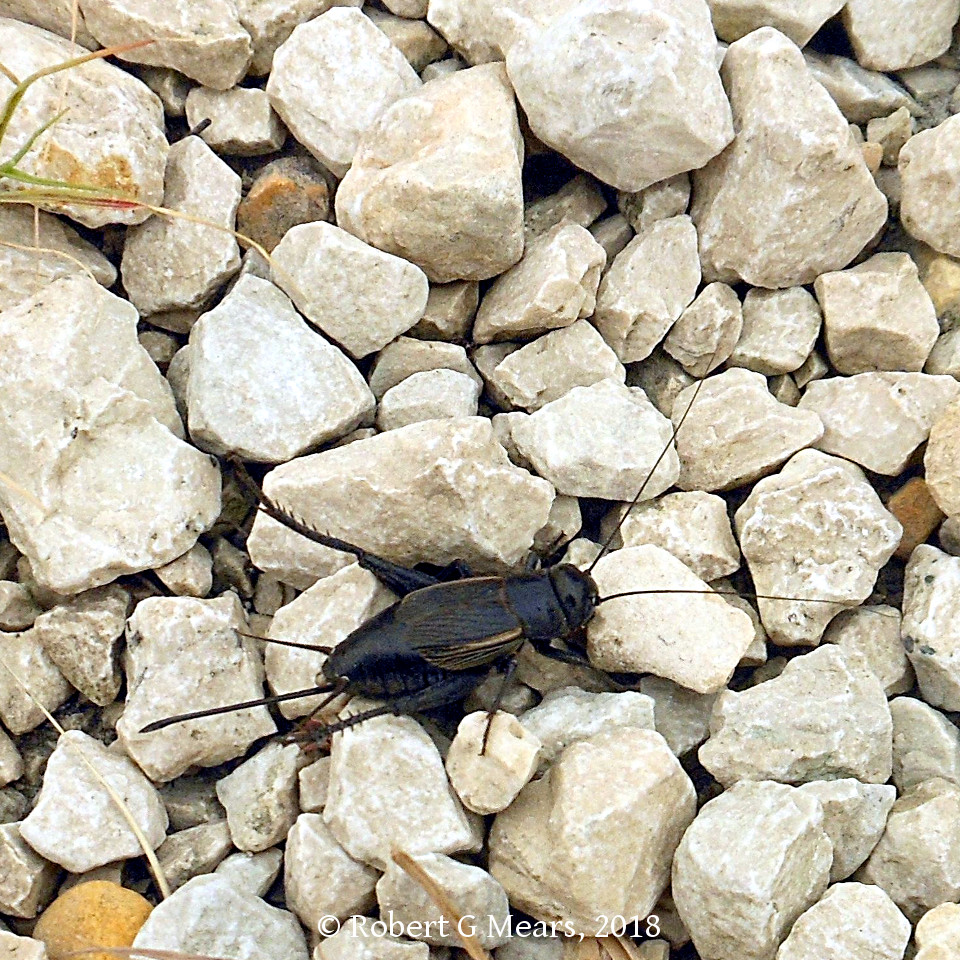
Ah. So you know what I am. Yeah, a field cricket.
That long thing sticking out from under me is an ovipositor. A what, you ask? I use it to place my eggs deep in the soil. Yes, I'm a female. My wings don't work for flying. But the wings are what the males use to make the chirping sound you know and love. Well, it works for me.

Well, hello there. So nice to see you.
Yes. I'm a Canada goldenrod, Solidago canadensis. I've got to tell you, we're having a banner year. Lots of flowers. Lots of us all over the place. Which is good because our nectar is popular with bees, wasps, hoverflies, flutterbyes, moths and beetles. Not only that lots of birds like our seeds.
August 18tap images for gallery view

Hi bro. Thanks for the visit. Let me show you my web. It runs east to west so I can face south and keep warm. That's because we're late season spiders. We'll be around 'til the first frost. Just before that we females make little cocoons which we fill with eggs that hatch in the spring. That's how we overwinter.
What's that? Oh, I'm a banded garden spider, Argiope trifasciata.
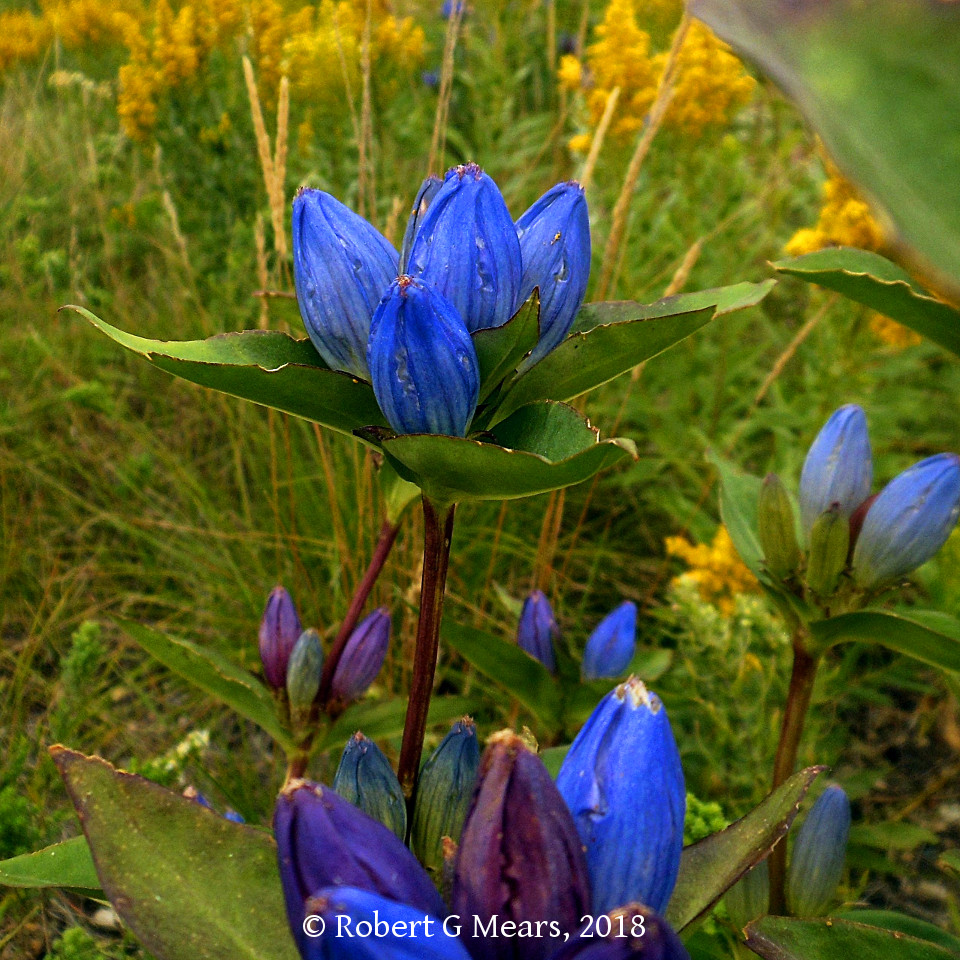
See, just like I told you. Our flowers turn cobalt blue.
Yes, I'm a closed gentian, Gentiana andrewsii.
The "andrewsii" means we were described by botan Henry Charles Andrews. He was also an illustrator who made engravings of his plant drawings and published them in books.
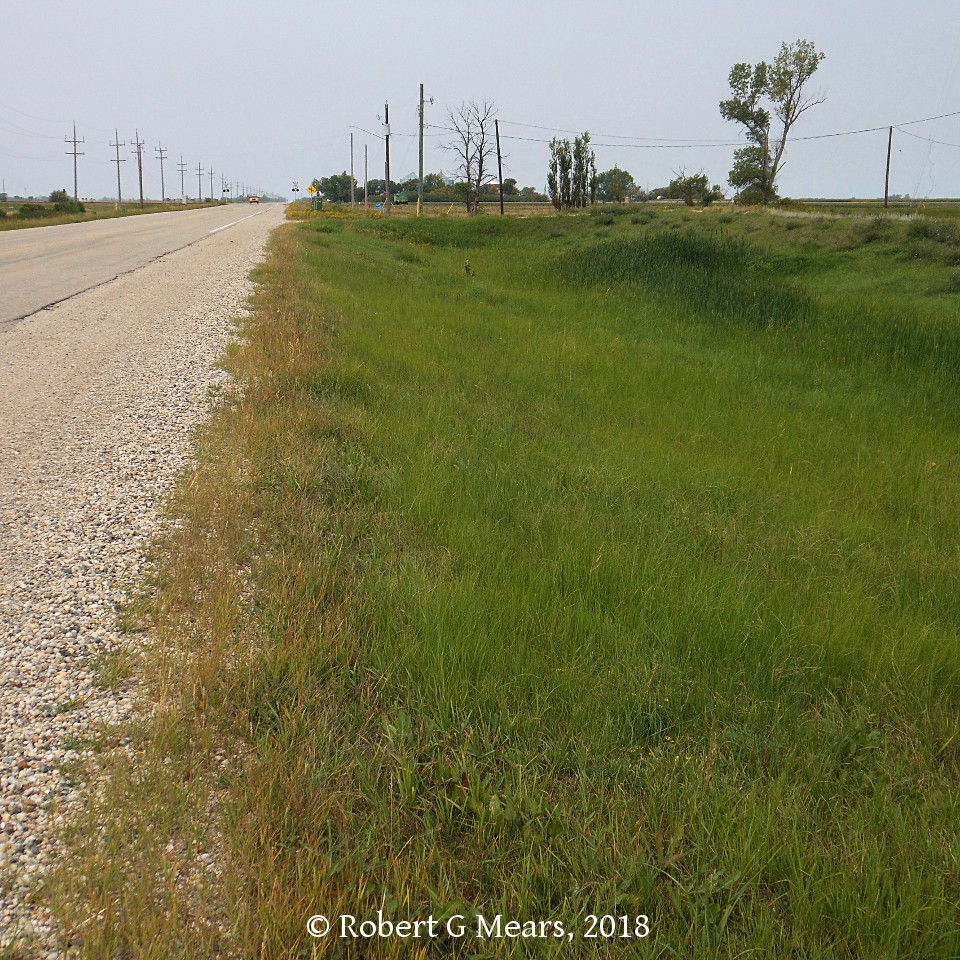
The province could save a lot of money. This is a photo of the highway shoulder and ditch out front of our place. The ditch was burned in mid to late June. Doing this regularly for five or six years eradicates creeping thistle. And burning this late usually prevents the unwanted grasses from putting up seed heads. Meanwhile, the native grasses (which are warm season) do put up seed heads. All of that aside, everything that grows back grows shorter than it would otherwise. Which means no need to mow in the fall.
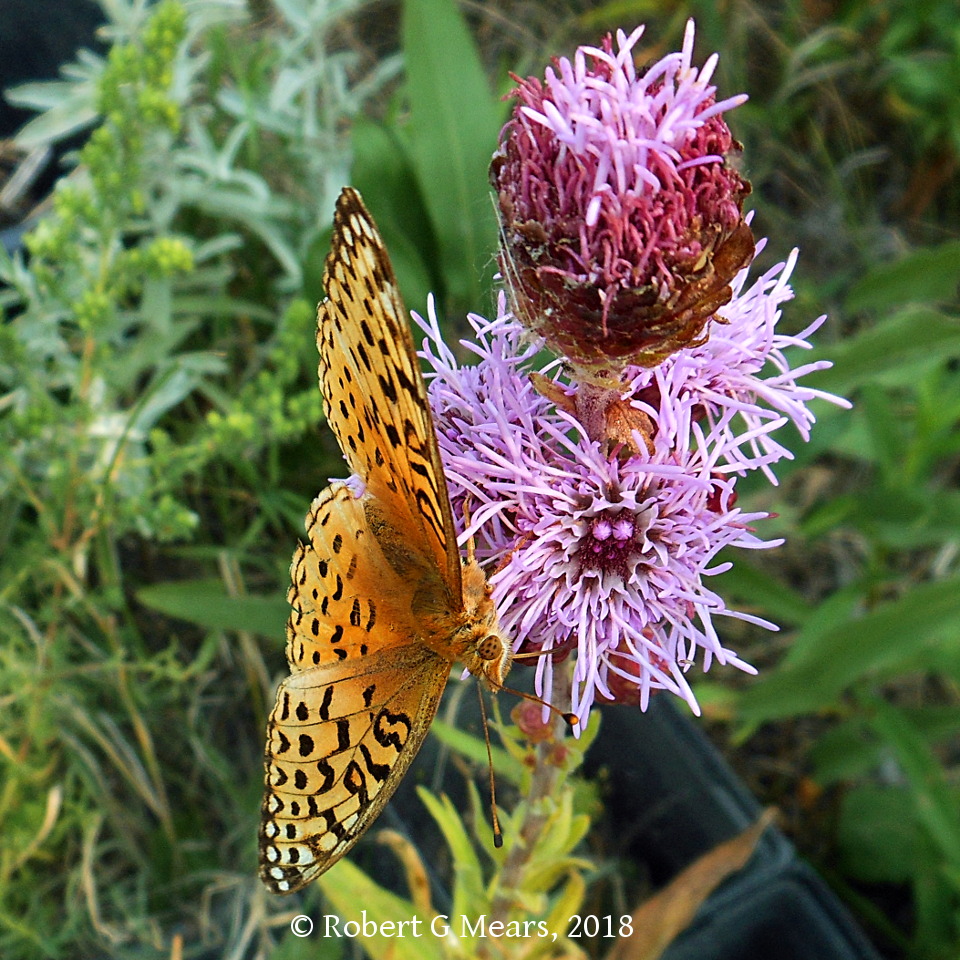
So the trick is to have a long flexible tube that you carefully insert into the hollows of the flower. (In this case, in between the tubes.) Then you gently suck up the sweet nectar. In the process of doing this the soft hairs on your body collect pollen. Then, when you go to another part of the flower or to a flower on another of the same plant some of the pollen rubs off on the stigmas. And voilà the flower is pollinated. It's a reciprocal relationship.
August 19tap images for gallery view
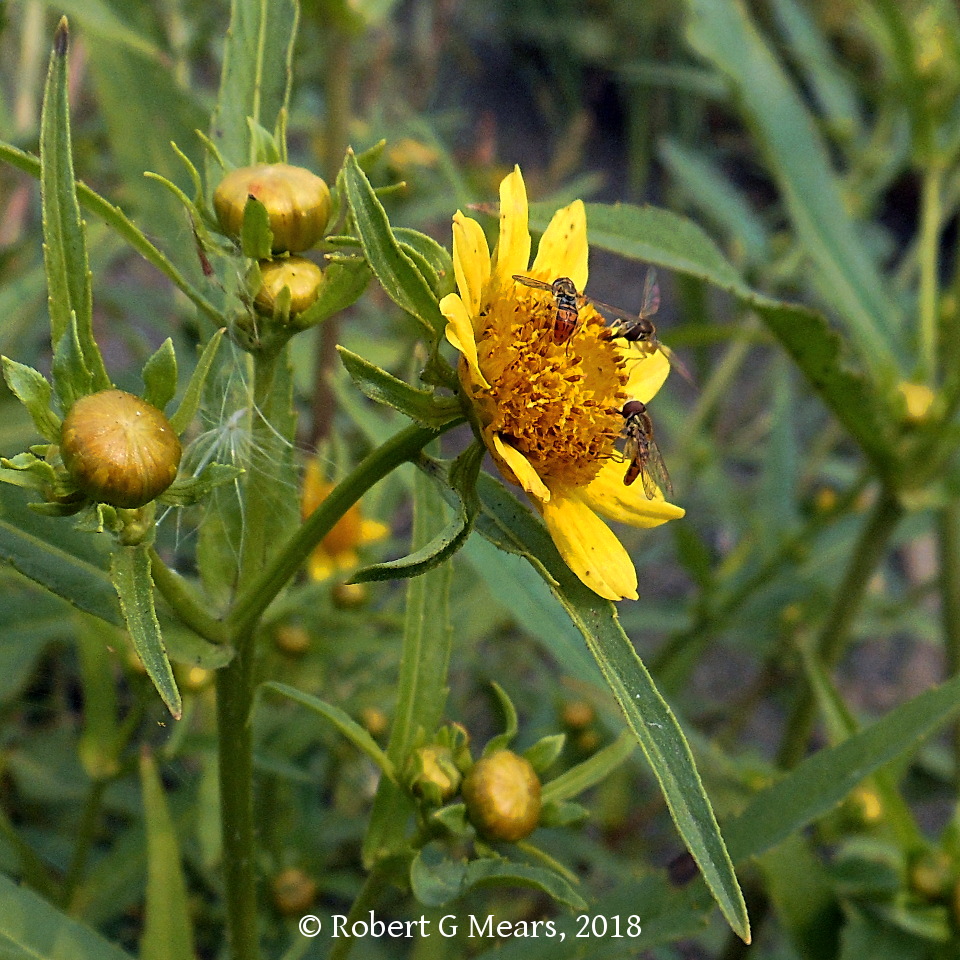
Good day to you. I'm a nodding beggartick. As you can see hoverflies like our nectar. Ducks and songbirds like our seed. We're annuals that like moist areas like this mudflat. In fact, there are lots of us this year around the pond.
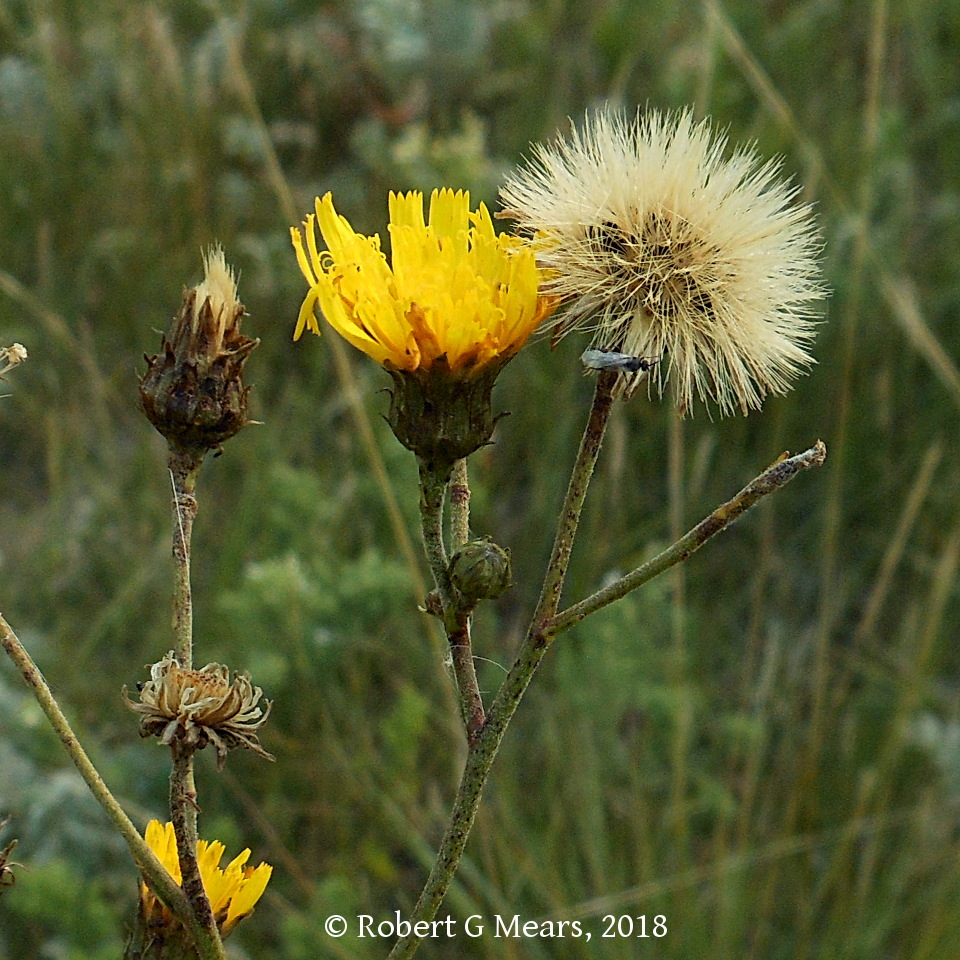
Well, there you go. Just like I said. We have a brown pappus. What's a pappus? It's the cluster of hairs attached to short stalks which have seeds on the end. The hairs work like parachutes so the wind can carry us off to a new spot. Oh yeah, I'm a Canada hawkweed.
August 20tap images for gallery view
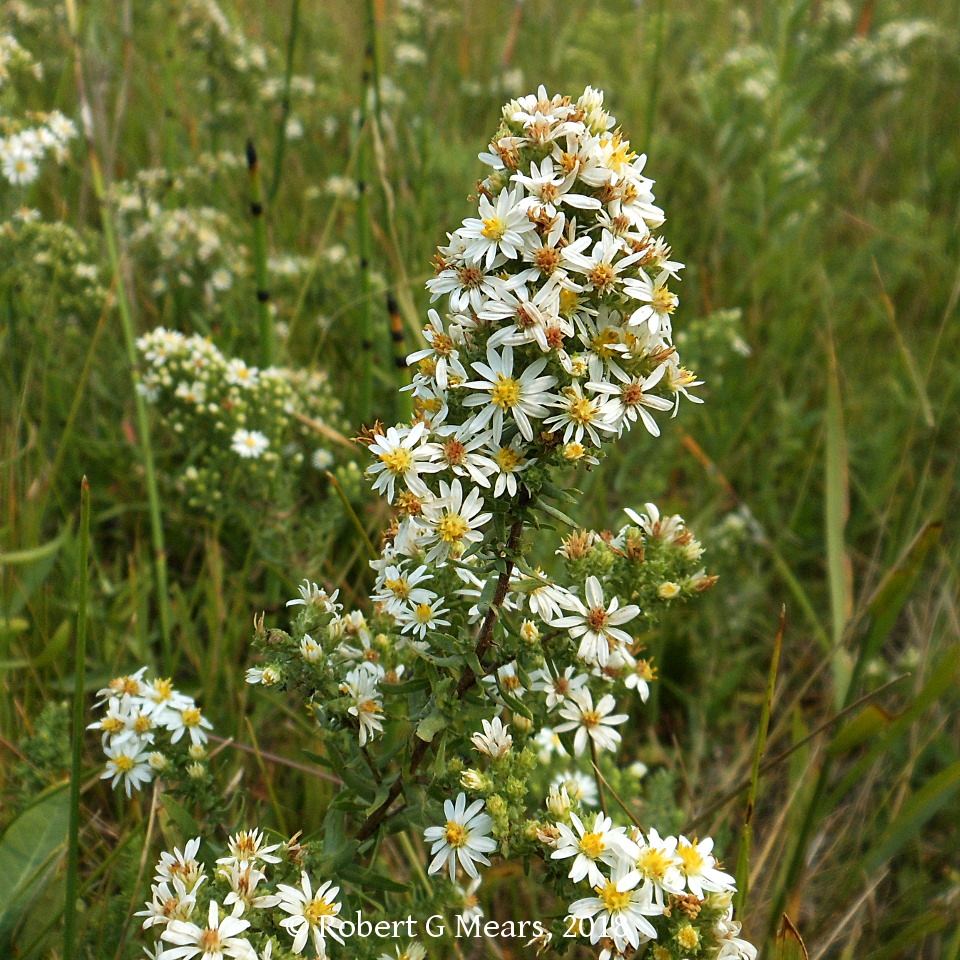
So, now you know why we're called many-flowered aster, Aster ericoides. We'll grow just about anywhere and, like other asters, we flower late in the summer. That way flutterbyes and hoverflies have nectar. There are lots of us this year. You could say there are many many-flowered asters. ☺

Oh. Hi. I didn't see you right away. The nectar from this gumweed is delicious. What's that? Oh, I'm a male checkered white flutterby. Unlike that other one, the cabbage white (which is from Europe), we're native to North America. Our caterpillars also don't eat garden or crop plants much. The little ones prefer peppergrass, Lepidium densiflorum.