June 9tap images for gallery view
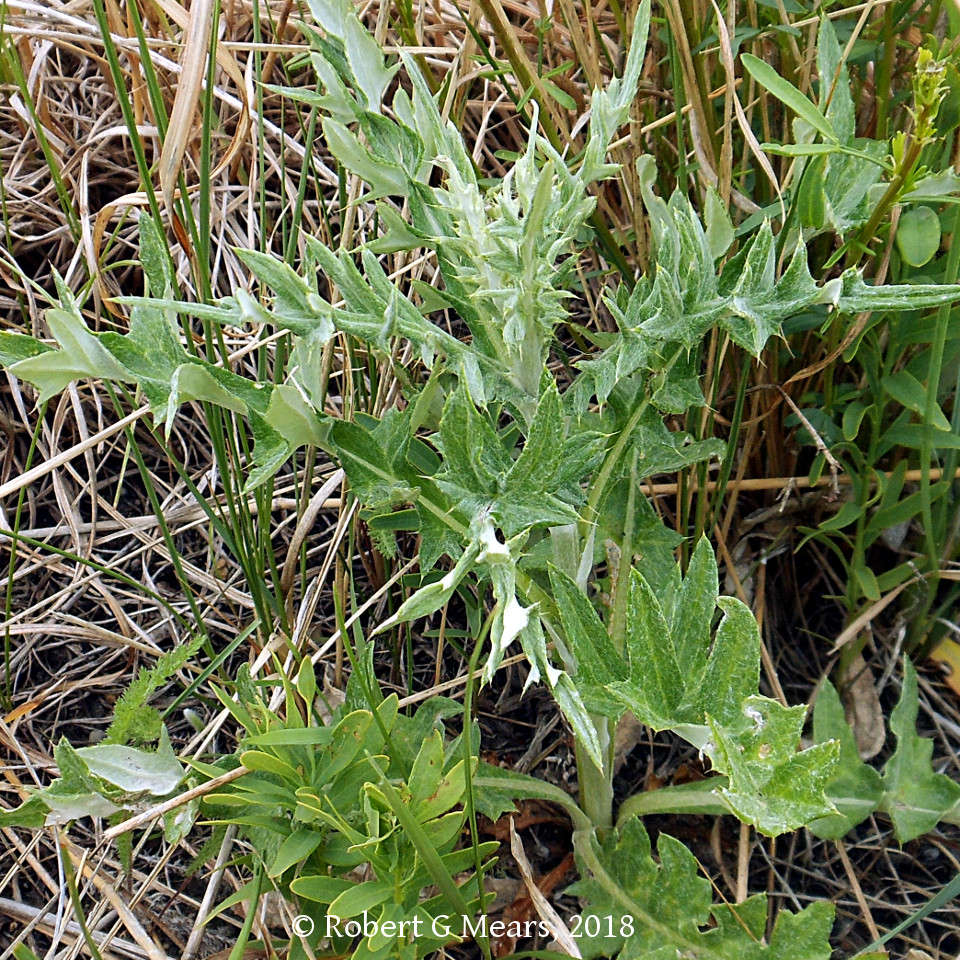
They call me Flodman's thistle, Cirsium Flodmanii, after Julius H. Flodman who "discovered" me. I'm a biennial; I start small the first year and grow to my full height (0.9 m) then flower in the second year.
American goldfinches love my seed!
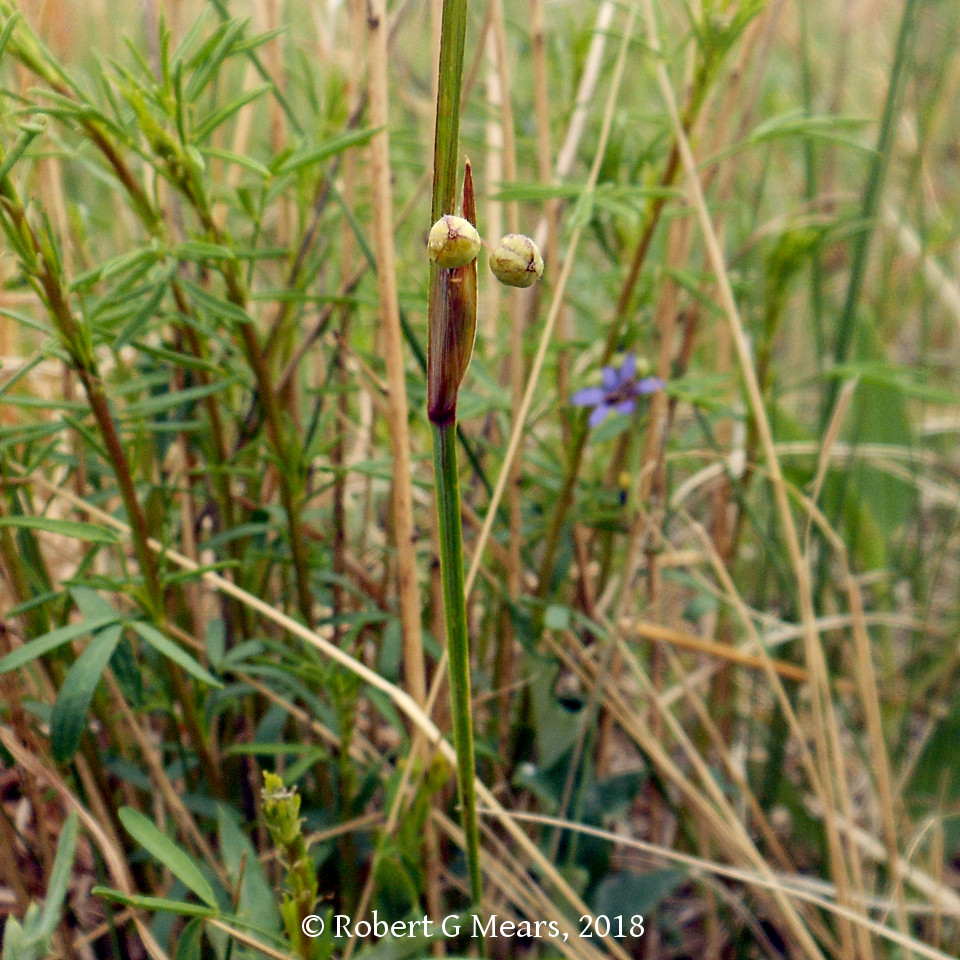
Hi, blue-eyed grass again. These are my seed pods. Botans say they explode. More of a burst open, really. That's how we get around.
June 10tap images for gallery view
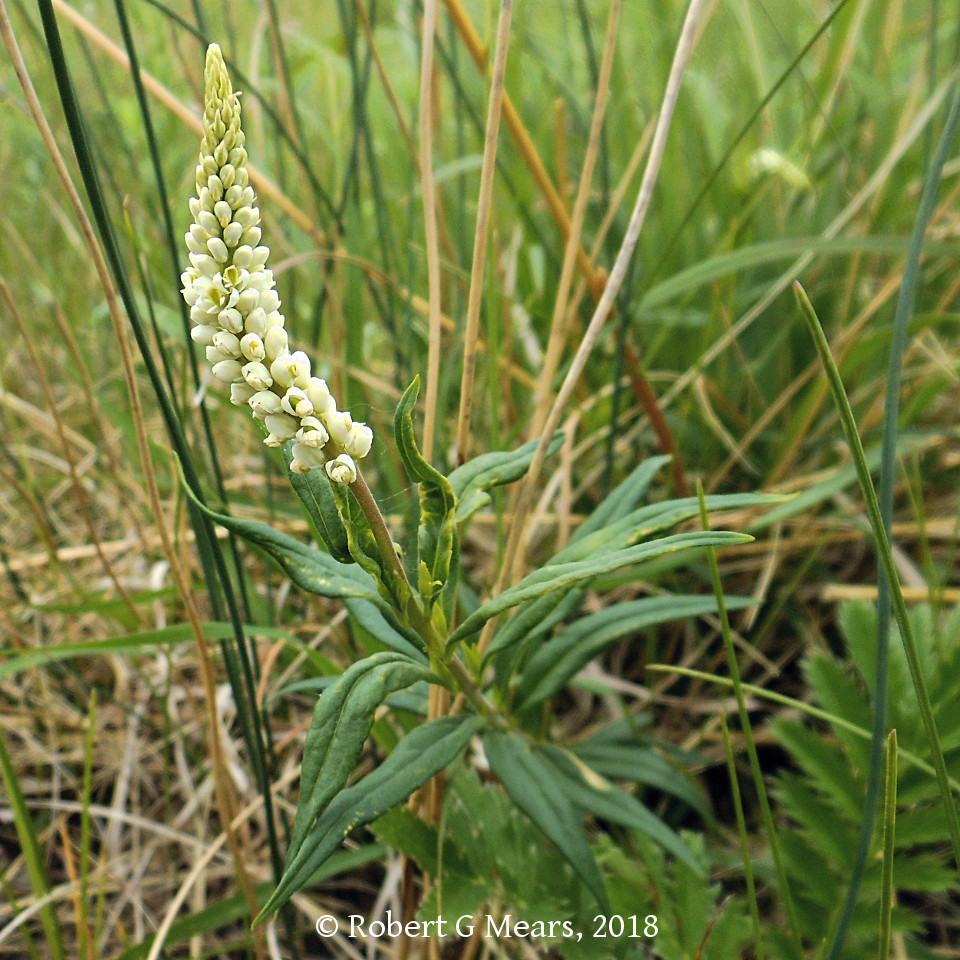
Hey, I'm seneca root, Polygala senega L.. I just showed up here. Maybe I'm a tag along or a volunteer. They're not sure, but they're happy to see me on site.
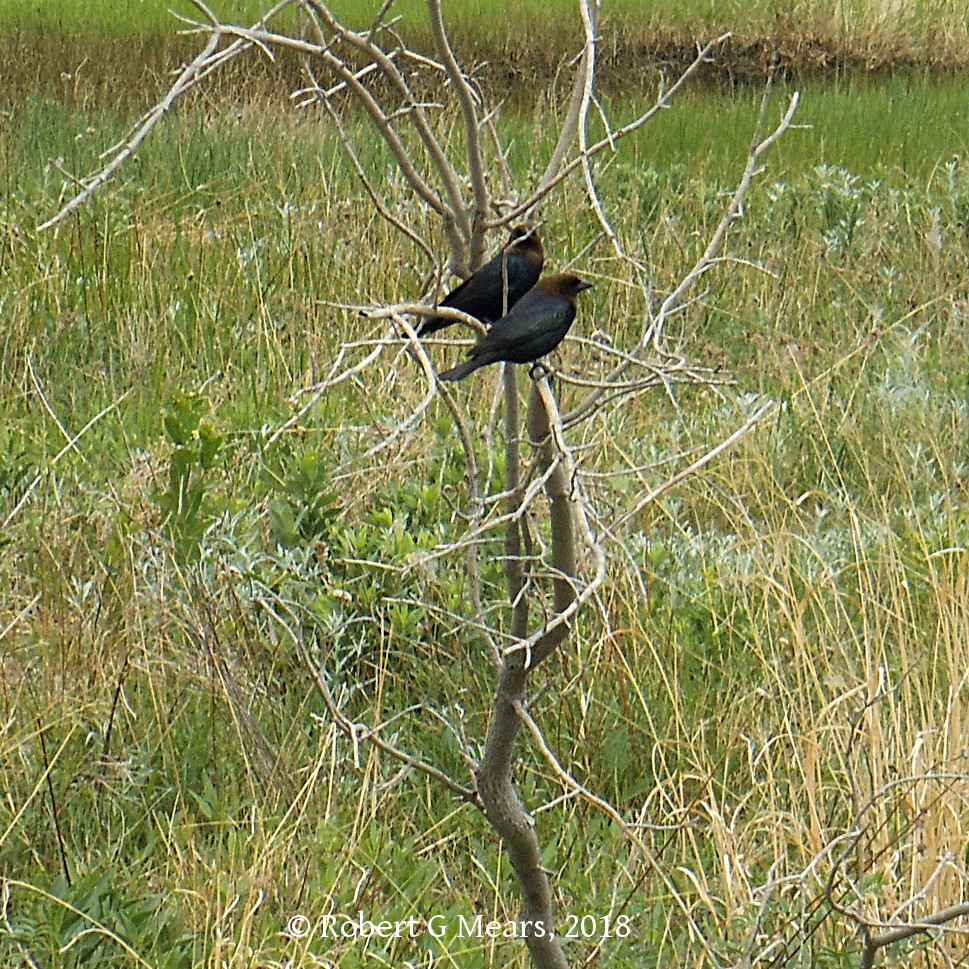
We're male brown-headed cowbirds. We're just checking out the action. Popular spot you've got here.
The female (that we share) is scouting for nests to lay our eggs.
We used to be called buffalo birds because we followed the herds of bison. We like to eat the insects that hang around their droppings. Keeping up with the herd is why we lay our eggs in other birds' nests.
June 11tap images for gallery view

I'm saltgrass, Distichlis spicata var. stricta (Torr.). I was a tag along. The tenders of this site dug up and transplanted a different grass then noticed me the following year. A third grass was also in the mix. The much dreaded quackgrass.
Interestingly, after four years, I've almost completely displaced the quackgrass.
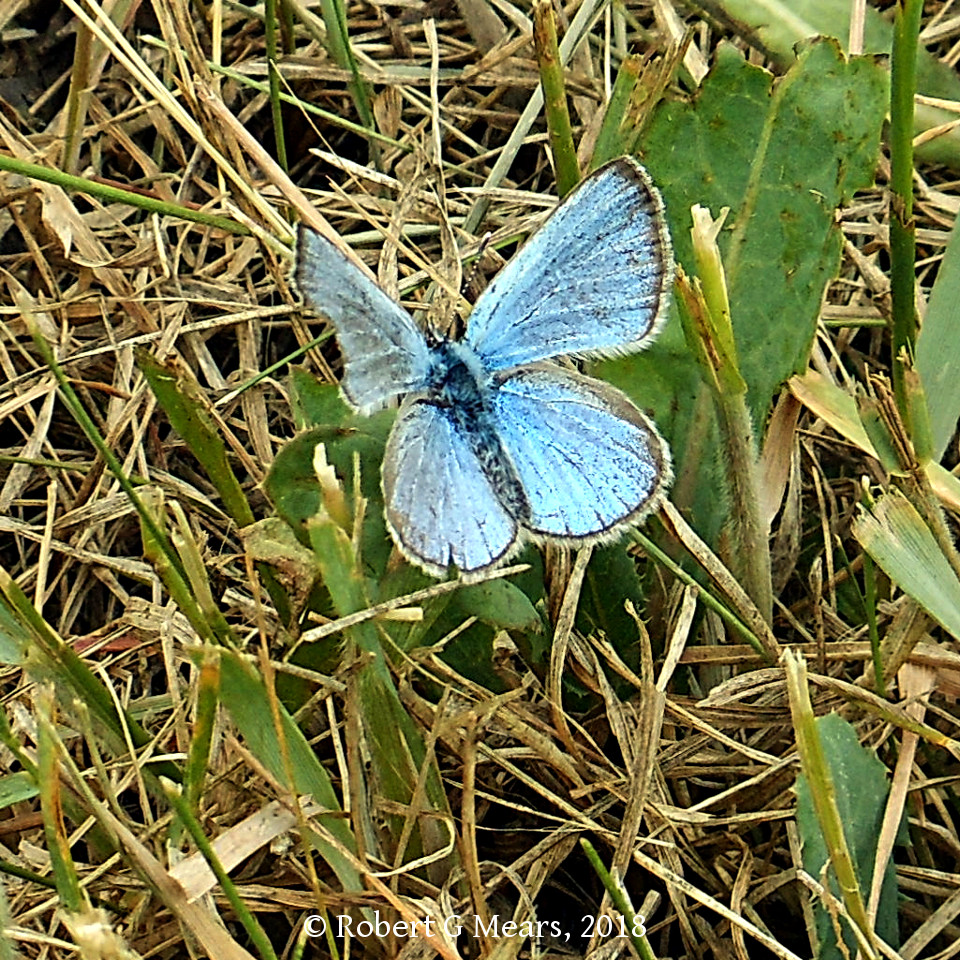
Hey there. Thanks for stopping by. I'm a silvery blue butterfly. And, that's my name: silvery blue butterfly, Glaucopsyche lygdamus.
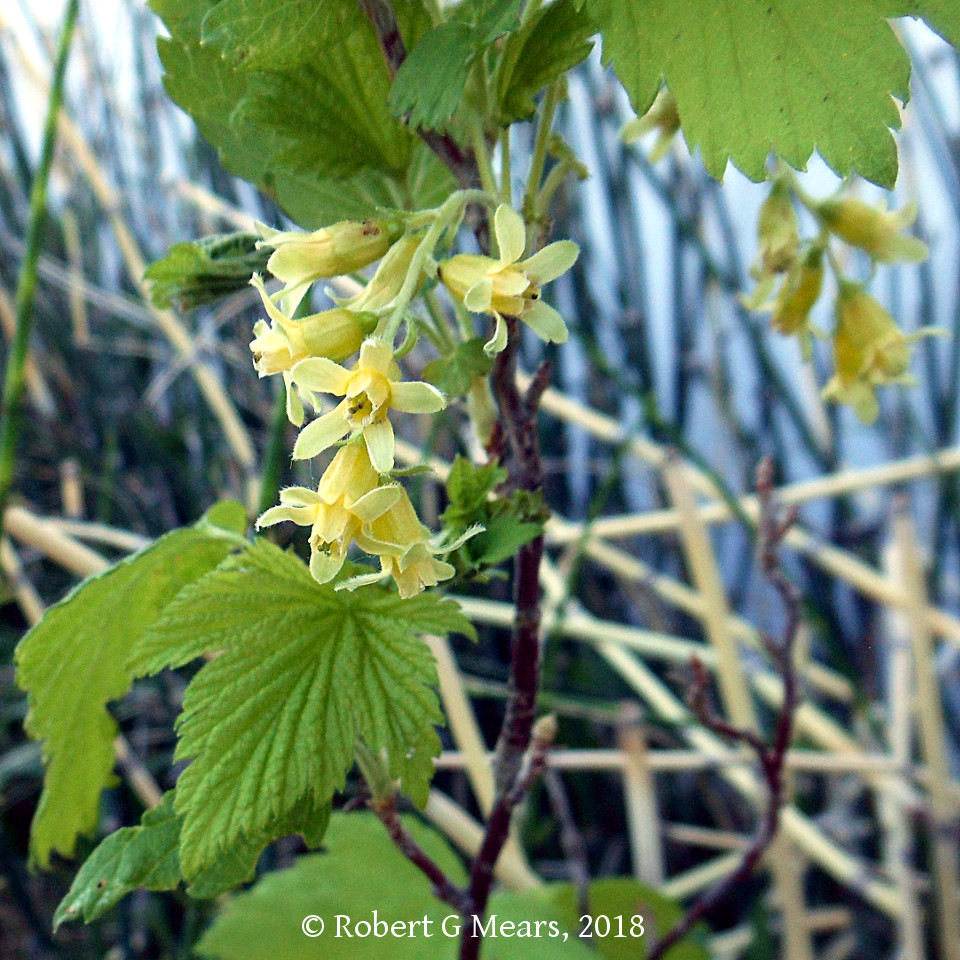
Wild black currant, Ribes americanum, here. I'm in flower. Wait 'til you try my berries. If you can get to them before the birds, that is. ☺
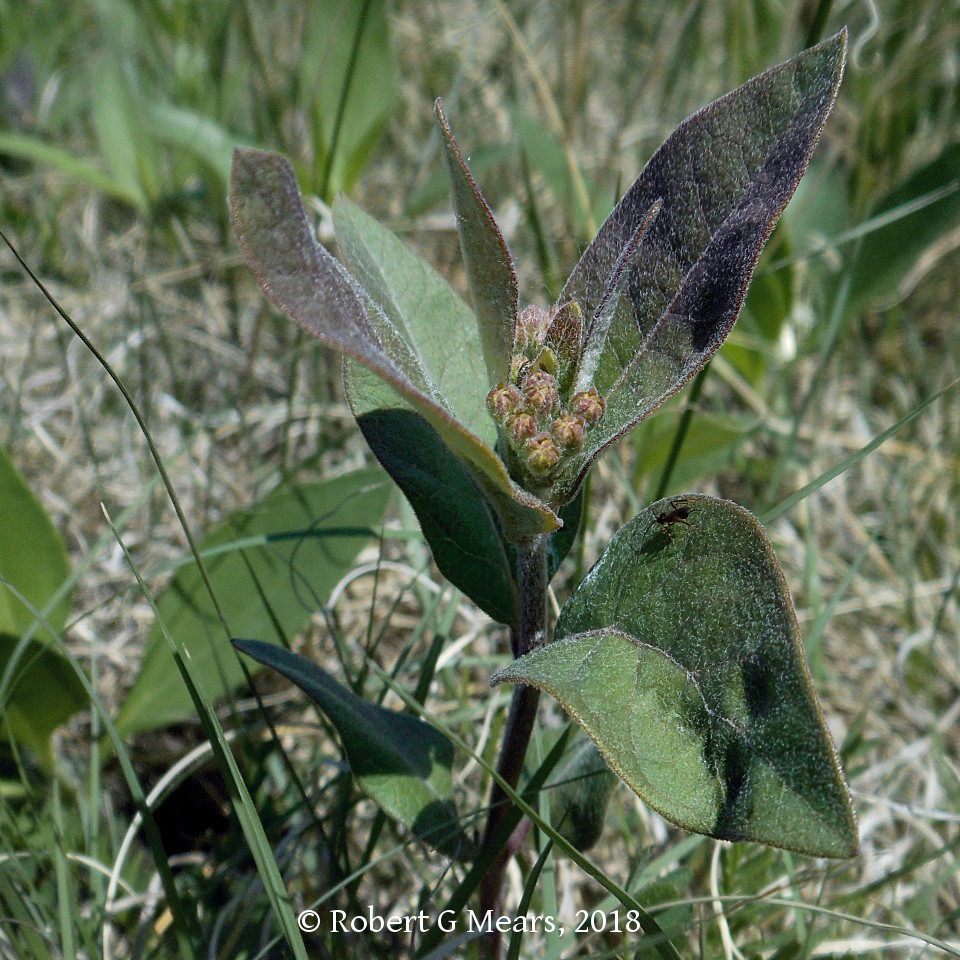
Hey, I'm called dwarf milkweed, Asclepias ovalifolia Decne. That's because I don't grow tall like those other milkweeds.
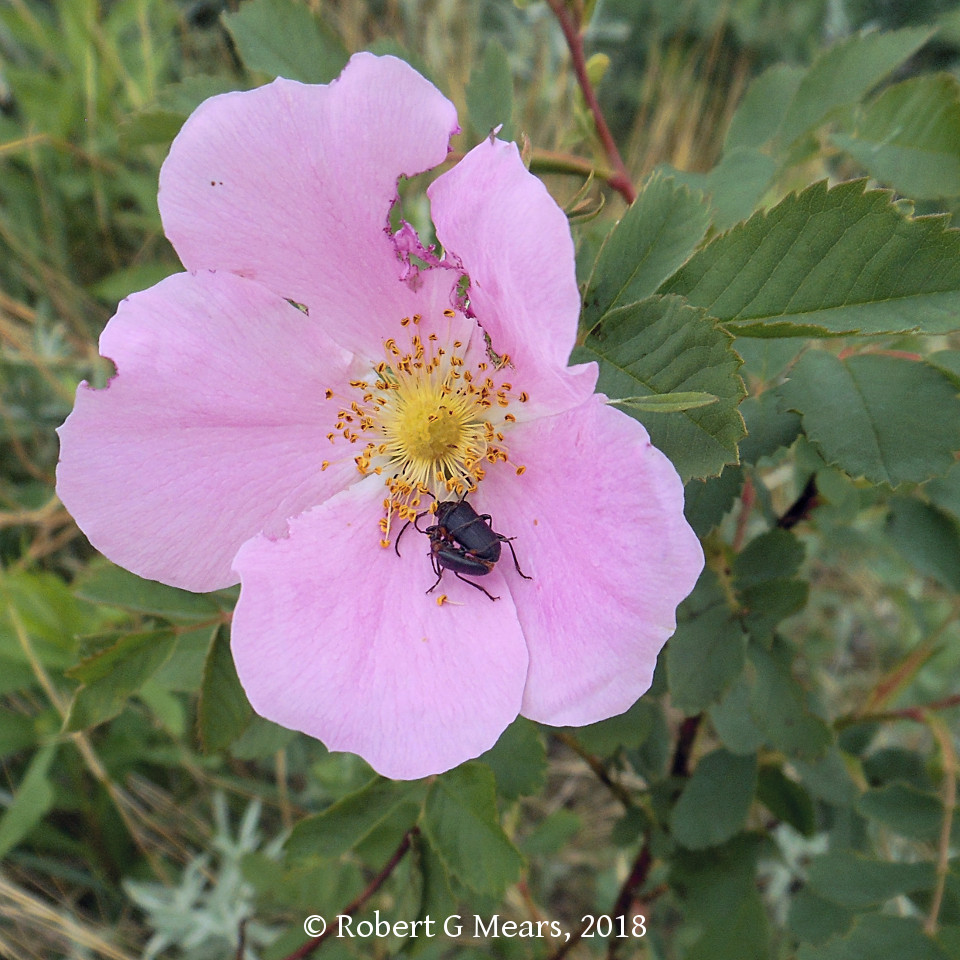
Prickly rose, Rosa acicularis, here. I'm a sub-shrub. And these mating blister beetles made a mess of my pistils. There was pollen everywhere when they were done.
June 12tap images for gallery view
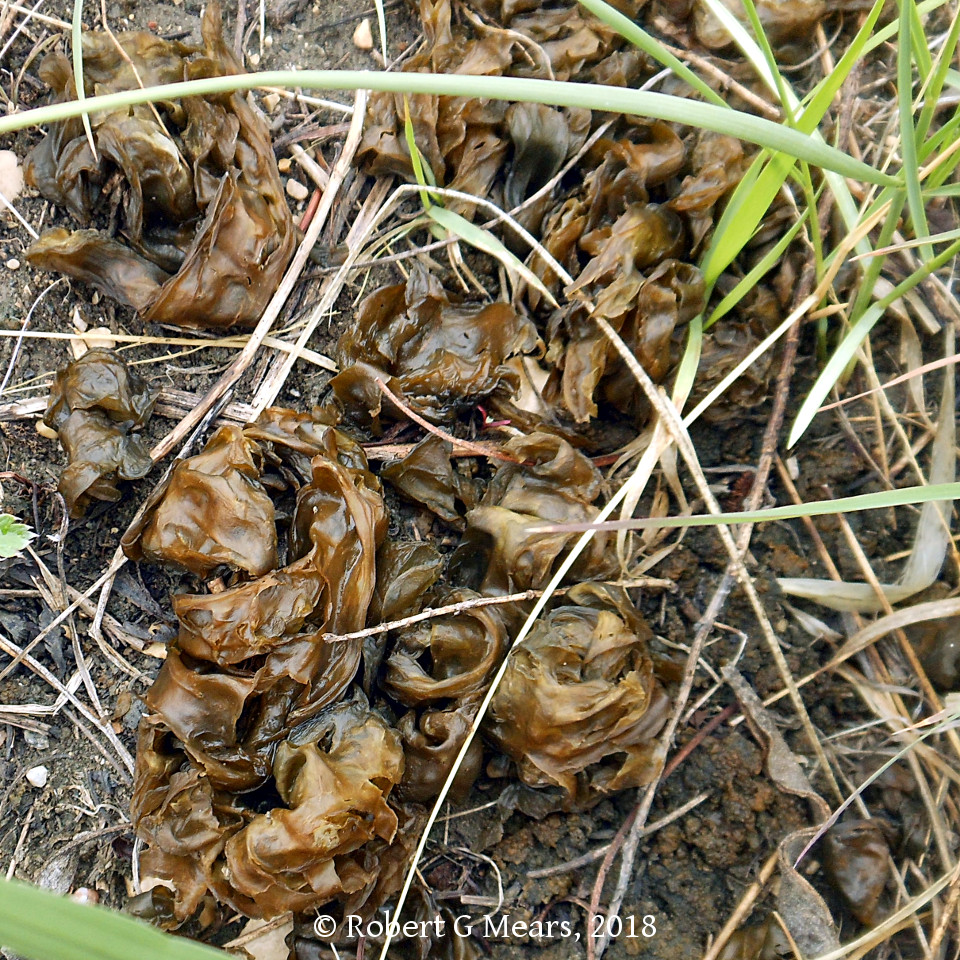
When the tenders of this site first encountered me they thought it best to get rid of me. A few years later they learned I'm a lichen; jelly lichen, possibly Collema crispum.
When I'm dry I look like dark brown crusty patches. When wet I look like this.
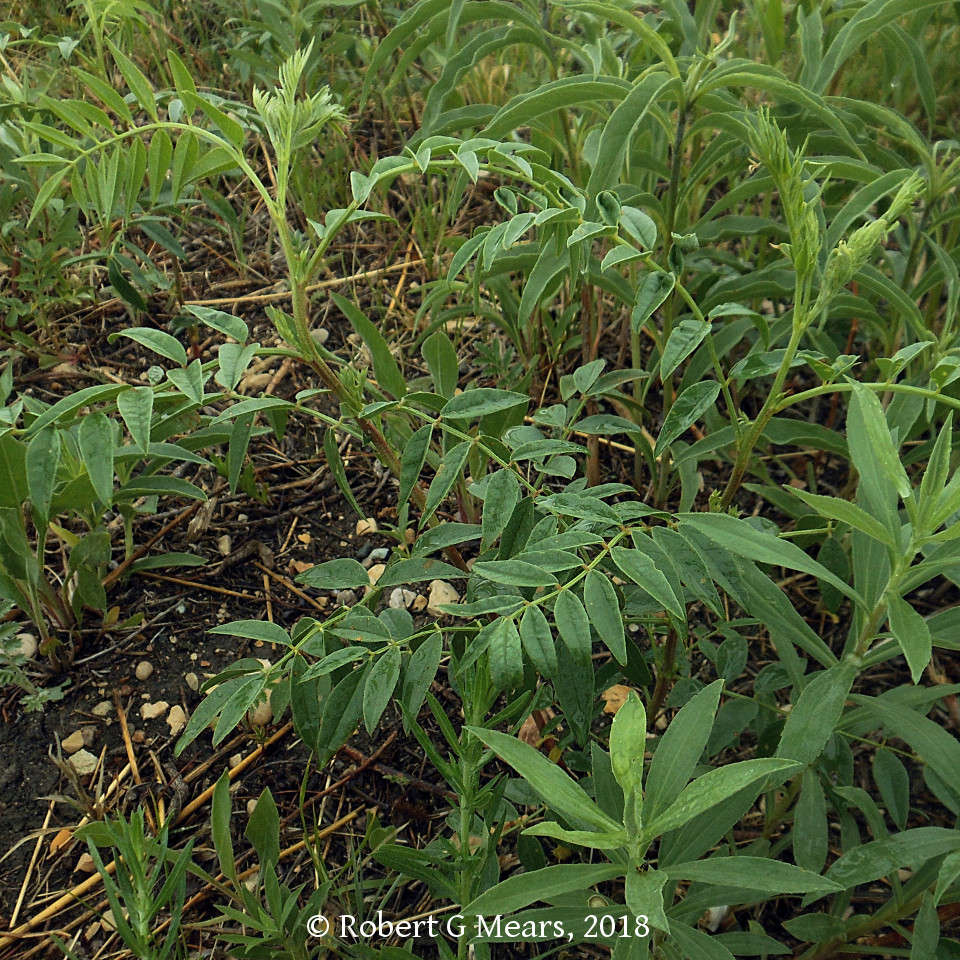
Hi, I'm called wild licorice, Glycyrrhiza lepidota. I like the "wild" part and my roots taste like licorice.
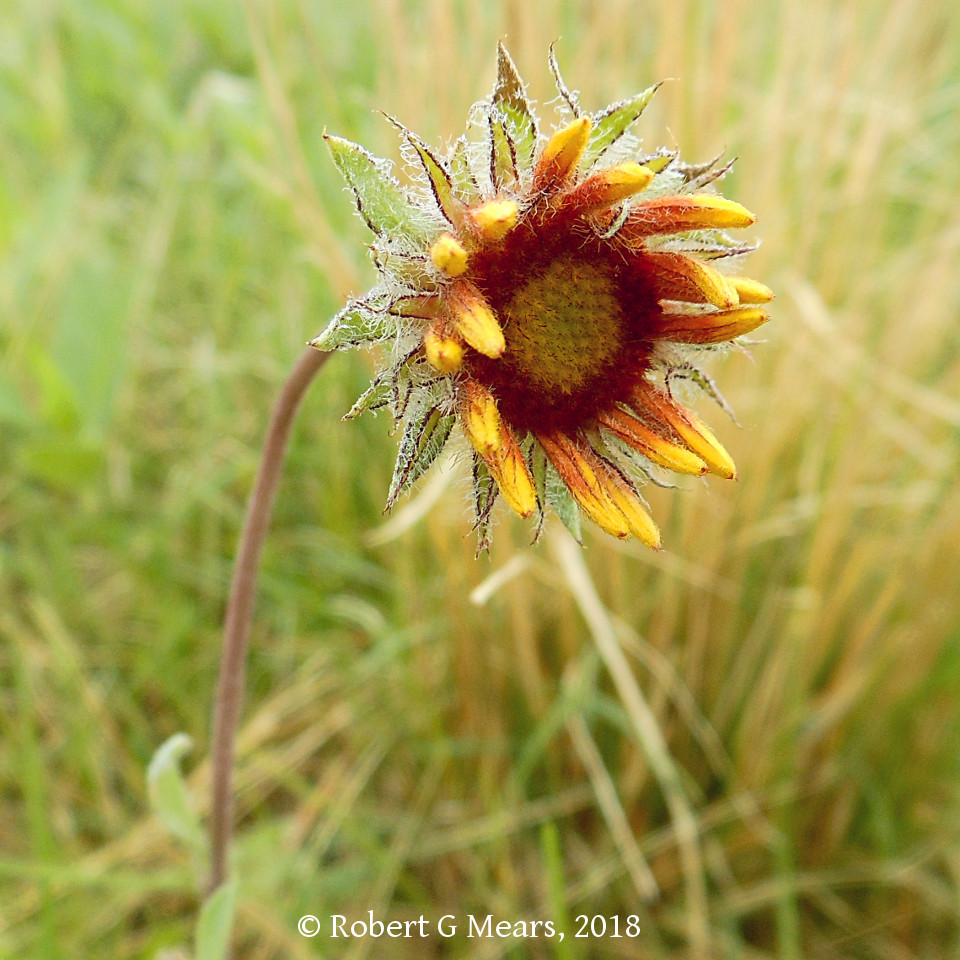
I do take a good picture, don't I? Ah, you guessed it, gaillardia, Gaillardia aristata.
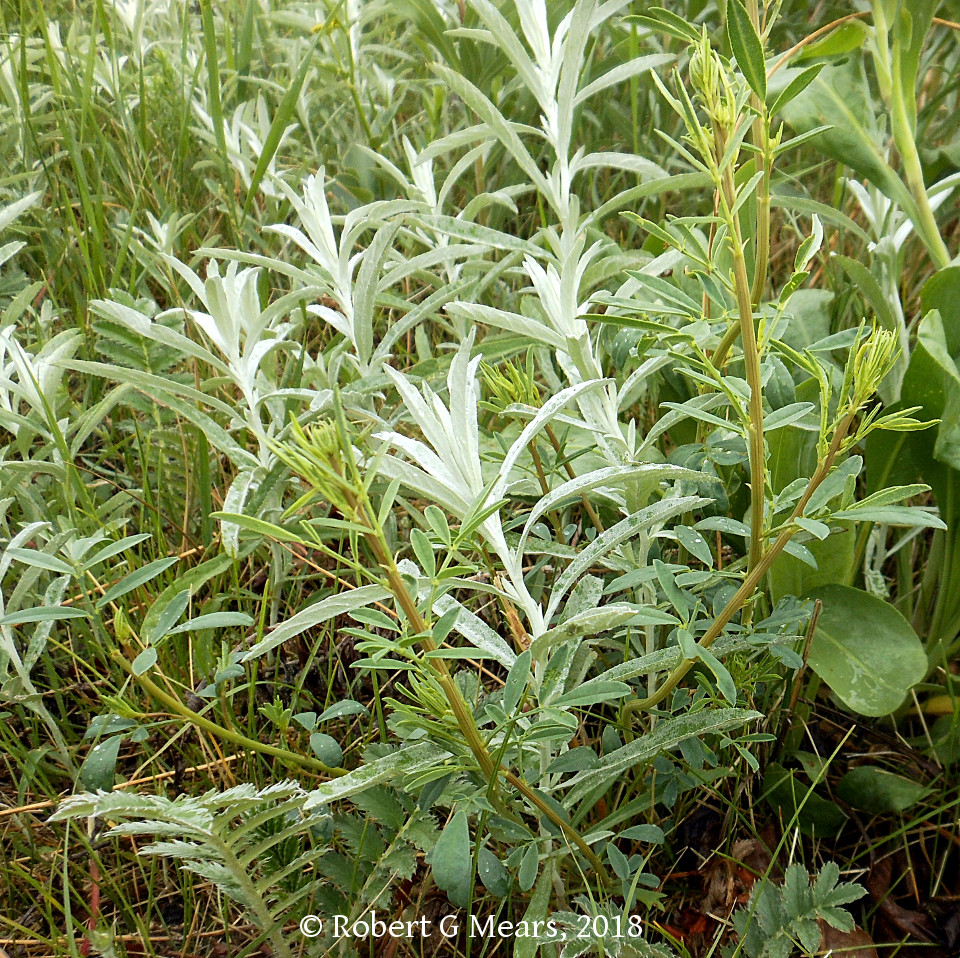
There are two "prairie clovers". I'm called white prairie clover, Dalea candida Michx. I, of course, have white flowers, hence my name. (Oh yeah, the white plant, in behind, is prairie sage.)
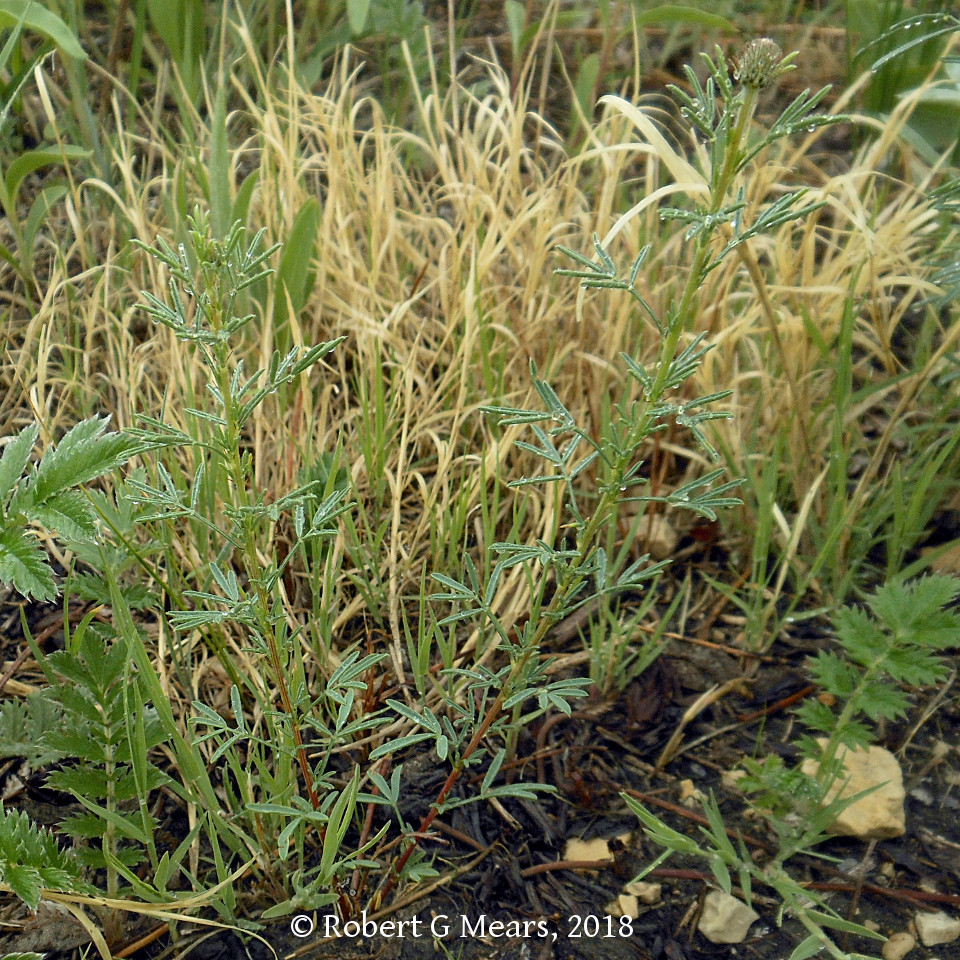
I'm called purple prairie clover, Dalea purpurea Vent.. I spread more readily (once I get going) than white prairie clover; in fact, I tend to form colonies.
While they called me "purple", my flowers are more magenta.
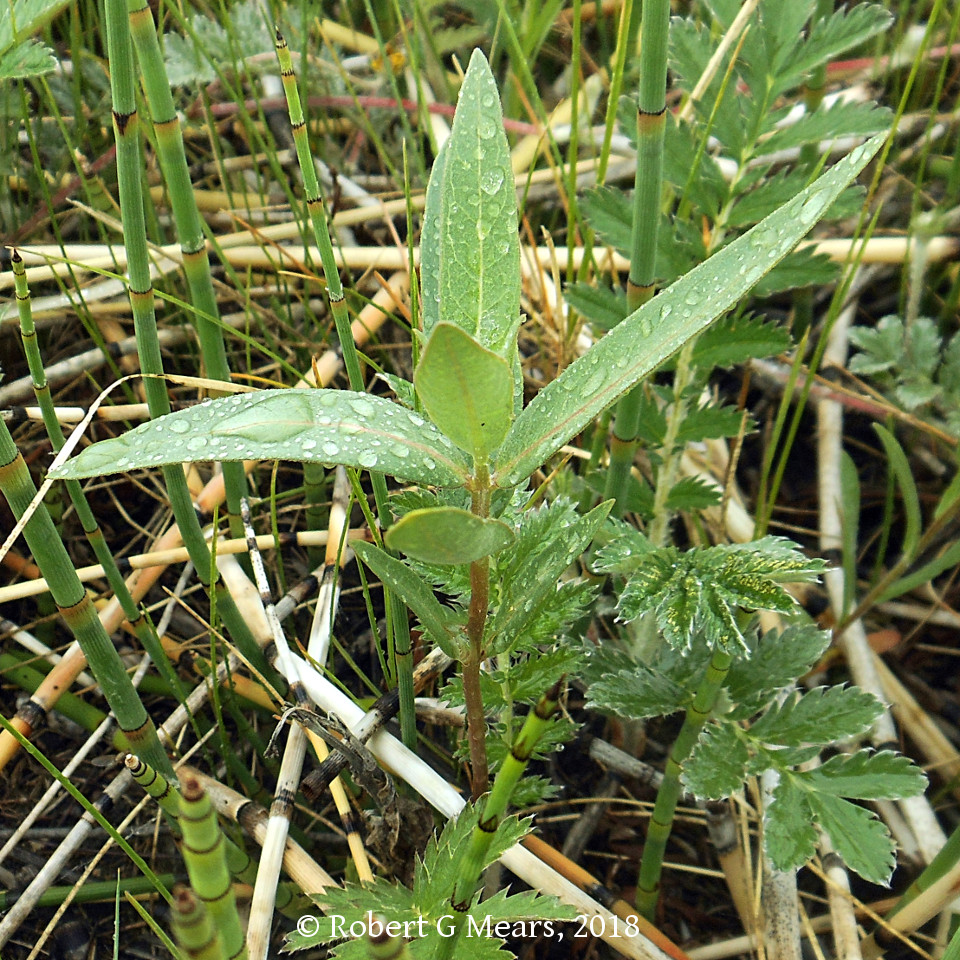
Howdy. I'm swamp milkweed and I'm just getting started. I do double duty. Monarch butterflies love my nectar. And the caterpillars ... well don't get me started. ☺
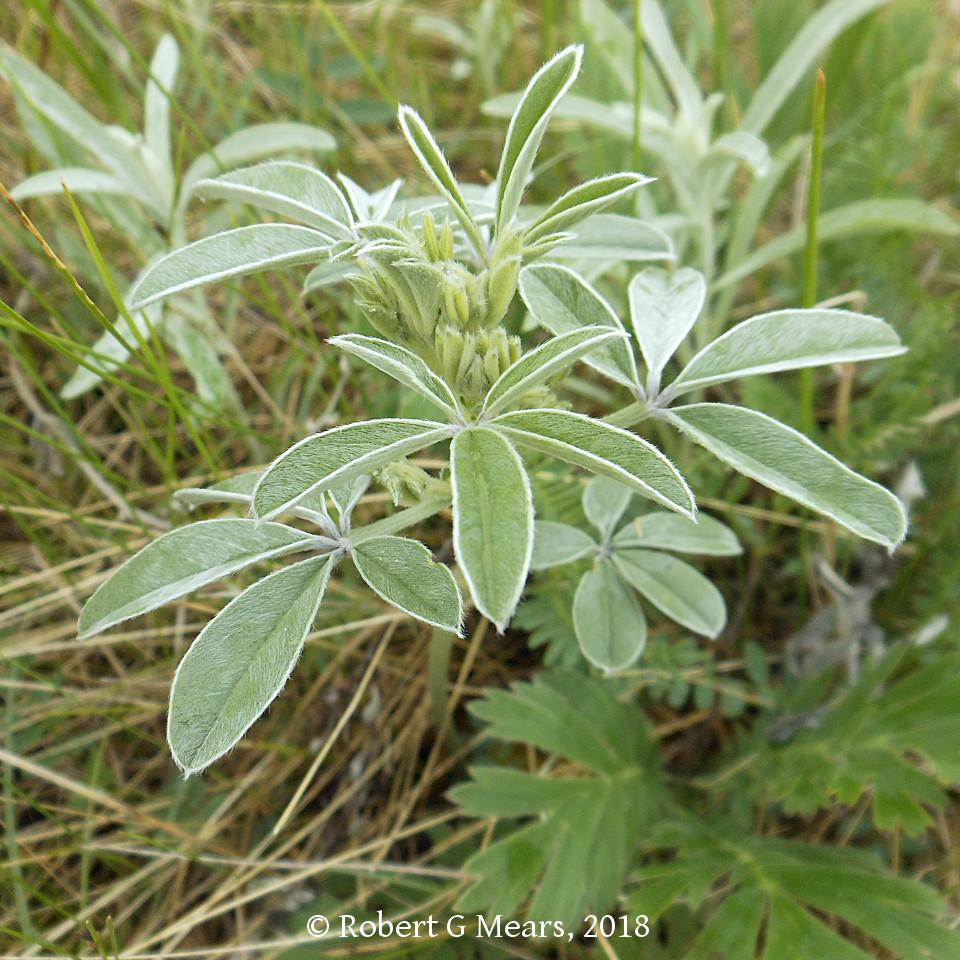
Can you say silvery scurfpea? Some people call me silverleaf psoralea. To a scientist I'm Pediomelum argophyllum (Pursh) J. Grimes. I tend to grow in loose patches.
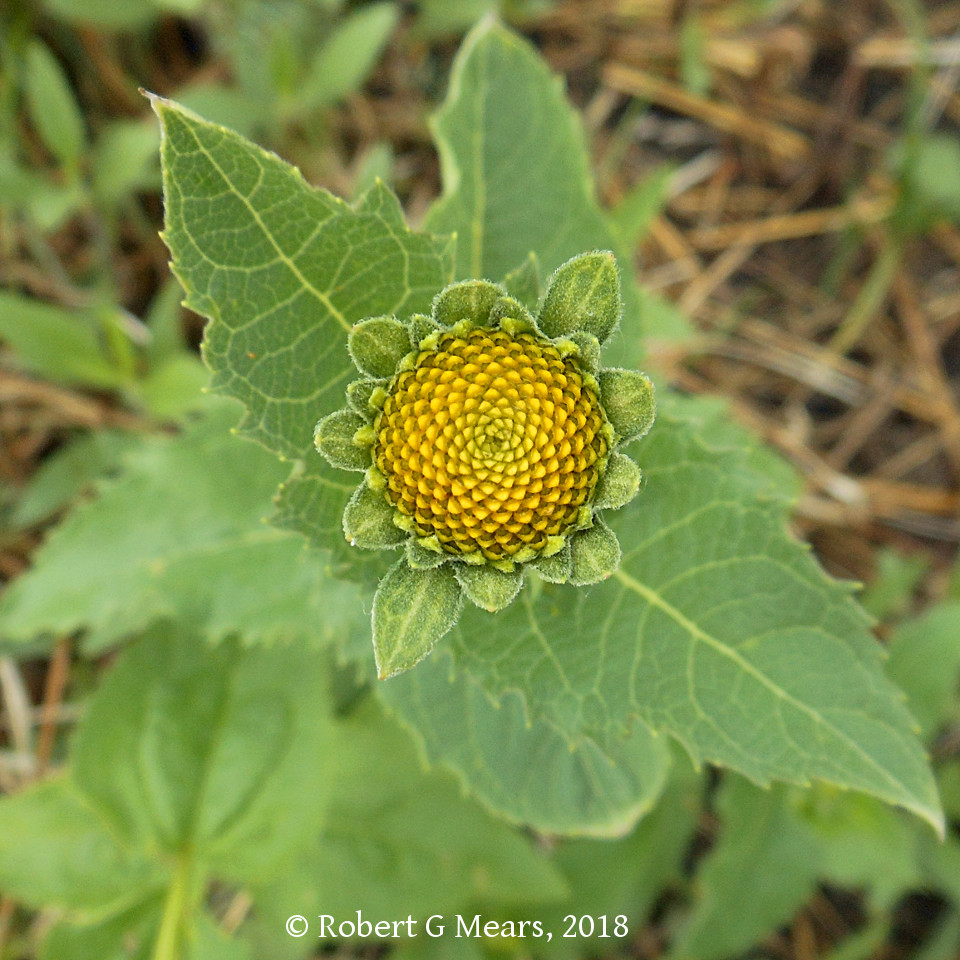
I go by false sunflower or oxeye sunflower, Heliopsis helianthoides, depending who you are talking to. I'm not in the Helianthus family which means I'm not really a sunflower, just look like one when my flower opens up.