August 10tap images for gallery view
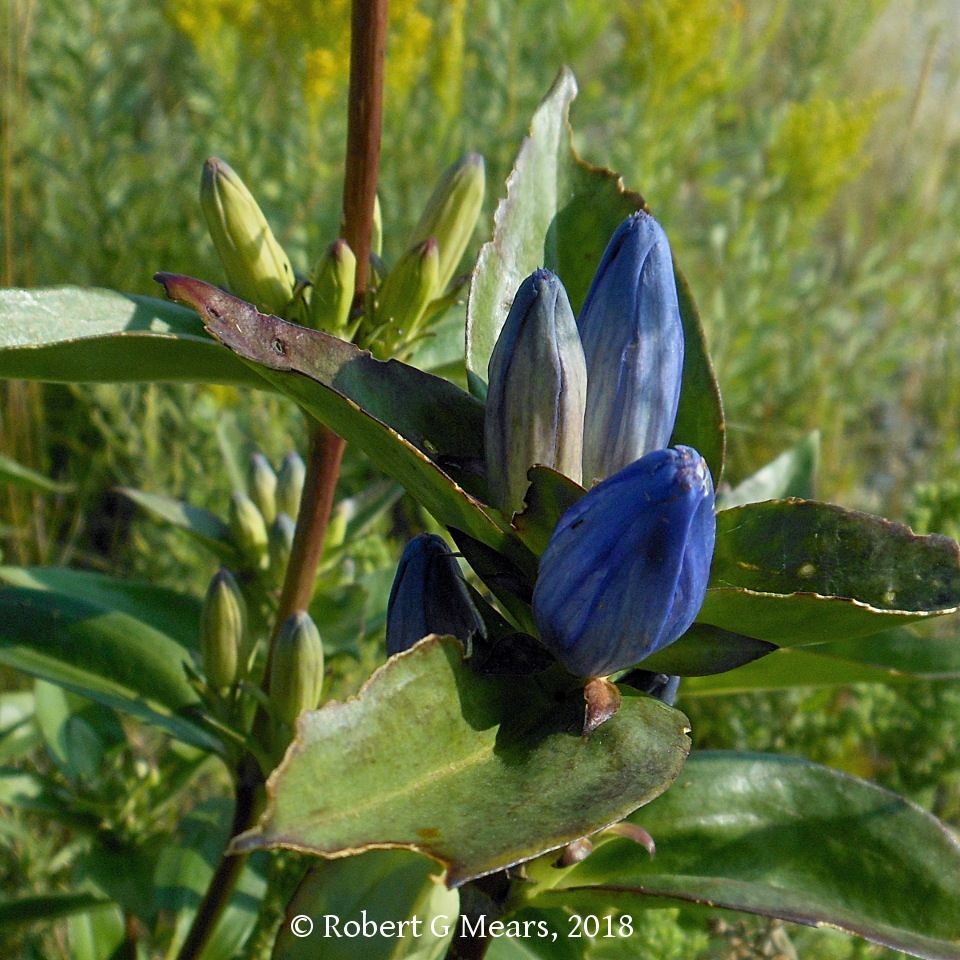
Good morning. I'm a closed gentian, Gentiana andrewsii. Some people called me bottled gentian. Our flowers—which are just getting started—change colour. They start off cerulean blue then cobalt blue and then purple.
Only bumblebees are strong enough to open our flowers and get our nectar.
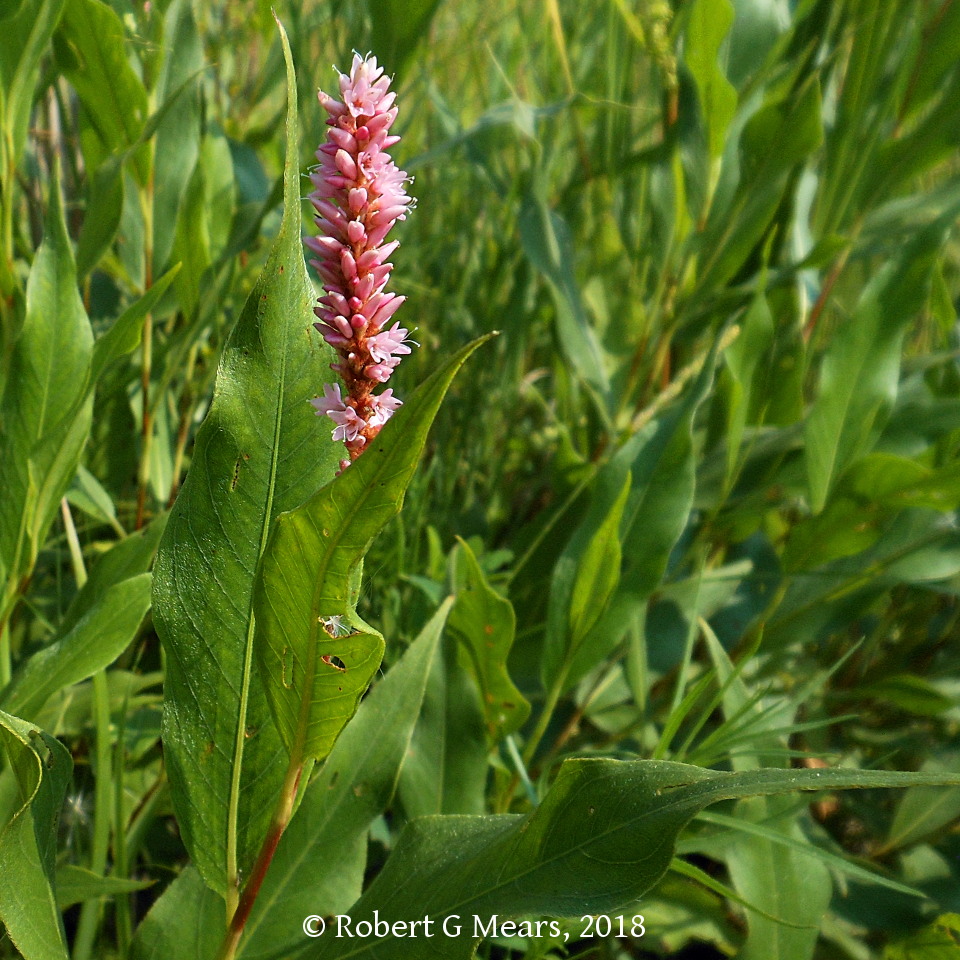
Hey there! I'm a smartweed, Polygonum amphibium. We spread by rhizomes so we tend to grow in colonies. We're good to have around if you've got a moist area.
Marsh birds—such as red-winged blackbird and green winged teal—like or seeds. Lots of insects like our nectar.
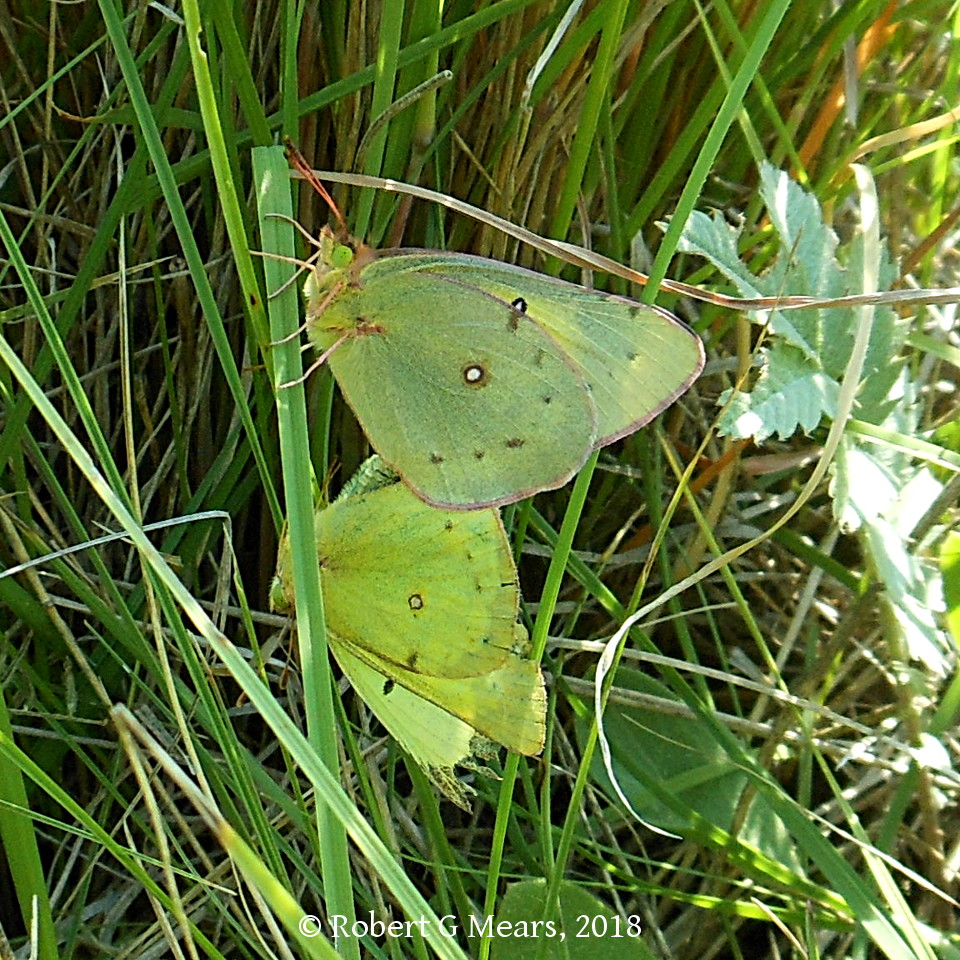
Whoa there. We'll get back to you if that's all right.
Oh, okay. We're Christina sulphur flutterbyes, Colias christina. We're generalists as far as nectar goes. Our caterpillars hibernate over winter.
You can find us from between here and the eastern Rockies, from South Dakota all the way to the Yukon.
August 11tap images for gallery view

Hello. I'm an Aphrodite fritillary, Speyeria aphrodite byblis. We lay our eggs near violets. And the little guys, when they hatch, hibernate over winter.
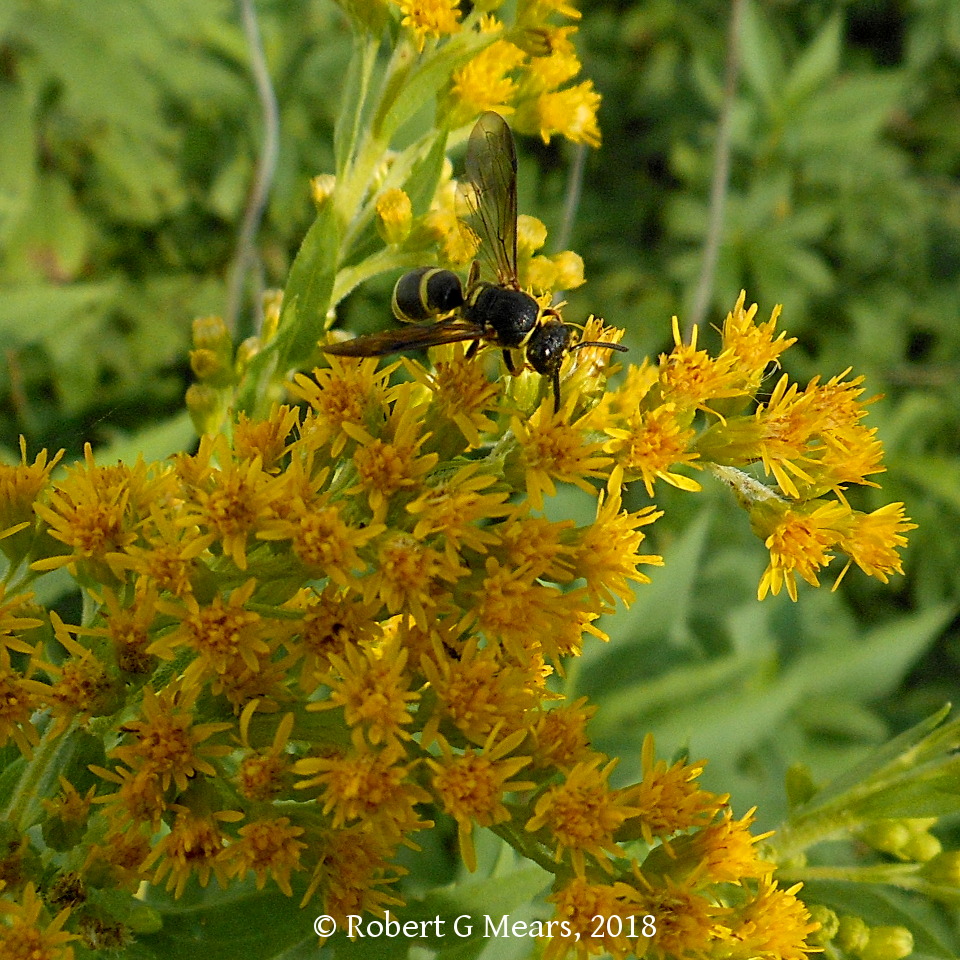
Good day. Nice of you to stop by. Maybe you want some goldenrod nectar. There's lots of it here, so help yourself. Oh yeah. I'm a potter wasp, Euodynerus leucomelas. We like holes in wood. About 1/4 to 3/8 inch in diameter. That's where we make our nests.
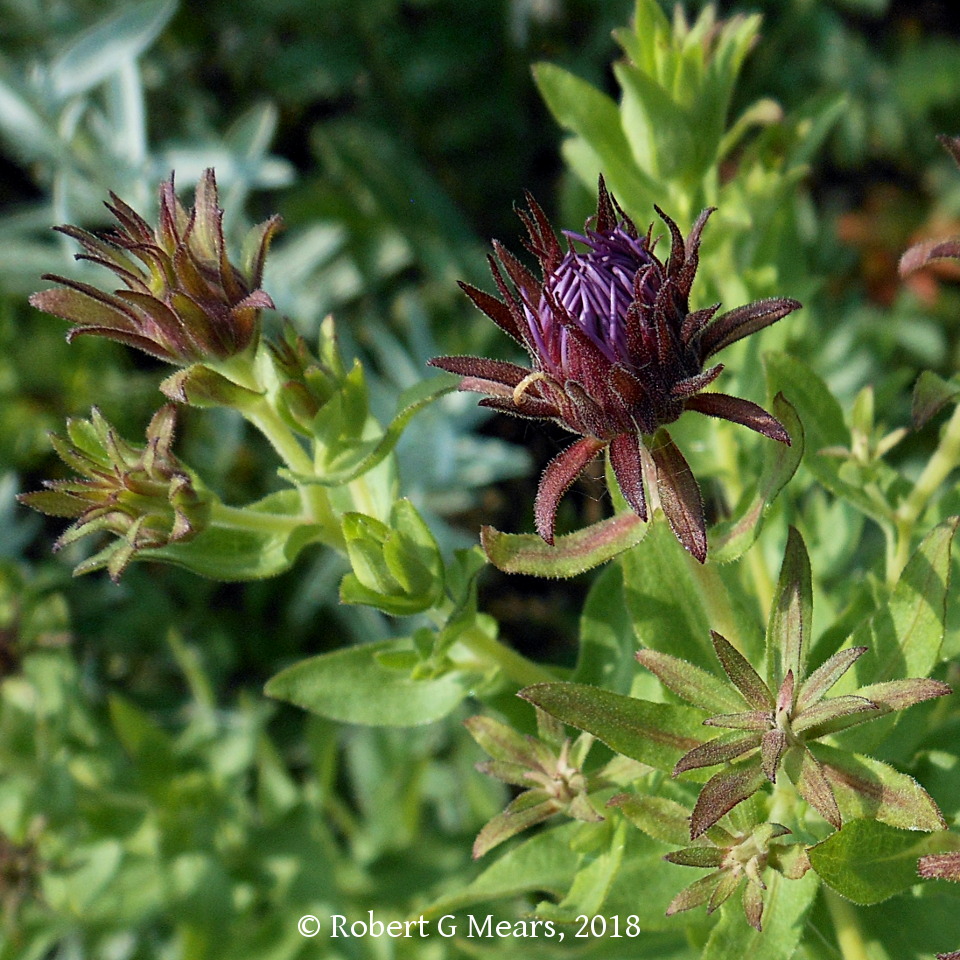
Mornin'. I'm a New England aster, Aster novae-anglia. We're just getting our flowers started. The tenders of this site thought they'd lost us. But, I think they've finally found a spot here that we like. We're a popular source of nectar when the monarchs get ready to migrate.
August 12tap images for gallery view
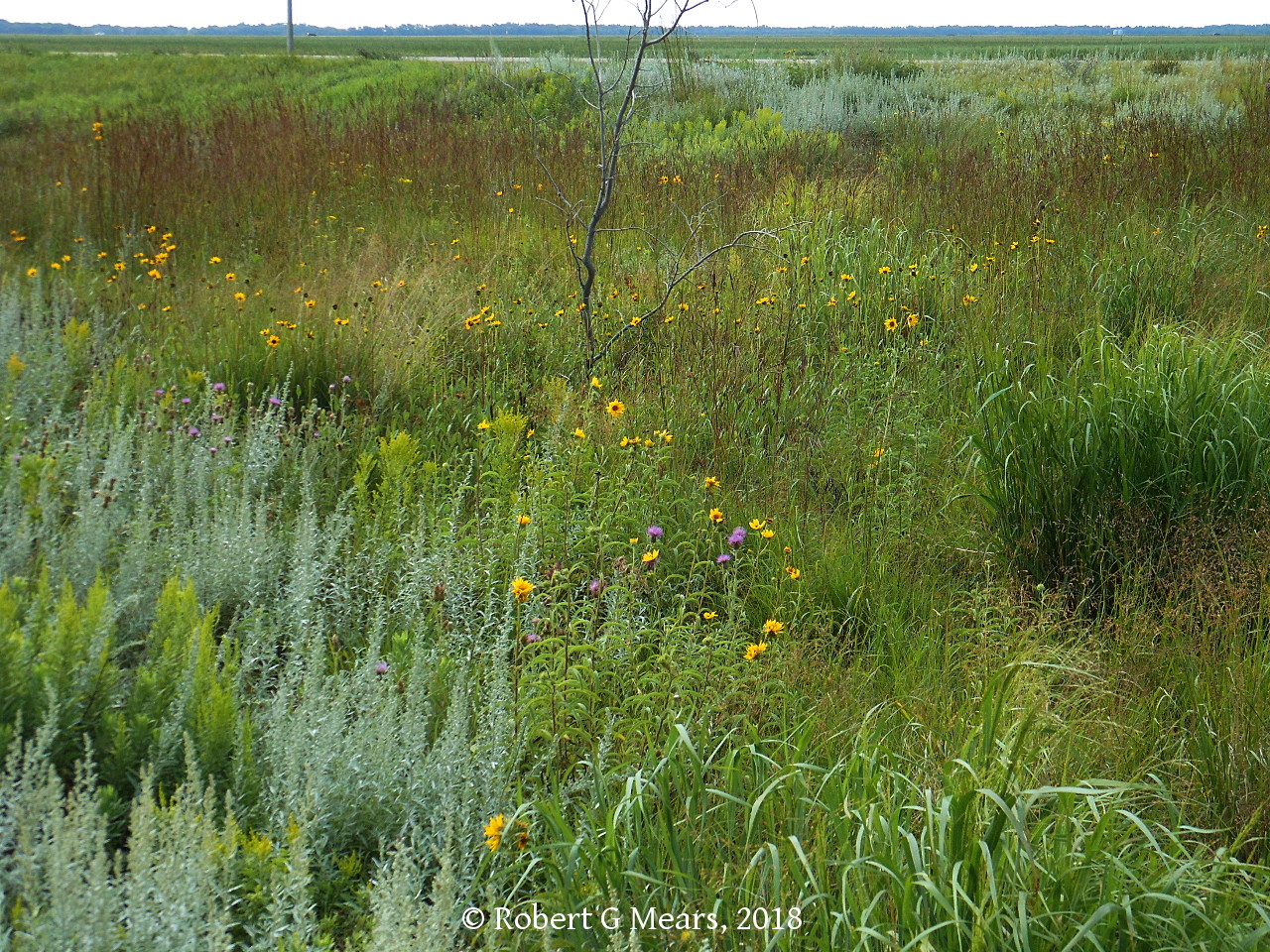
It's beginning to look like prairie ... tallgrass prairie. Tallgrass is not the same as long grass. But many people tend to group the two, to treat the words as synonyms. Long grass, aside from being unmowed, is the exotics which are all sod forming. Tallgrasses, meanwhile—with a few exceptions—are bunch grasses. Some bunches are larger than others. Nuttall's alkali grass and slough grass are diminutive. Little bluestem grows to about 1 foot in diameter. Prairie cordgrass can grow up to 12 feet across.
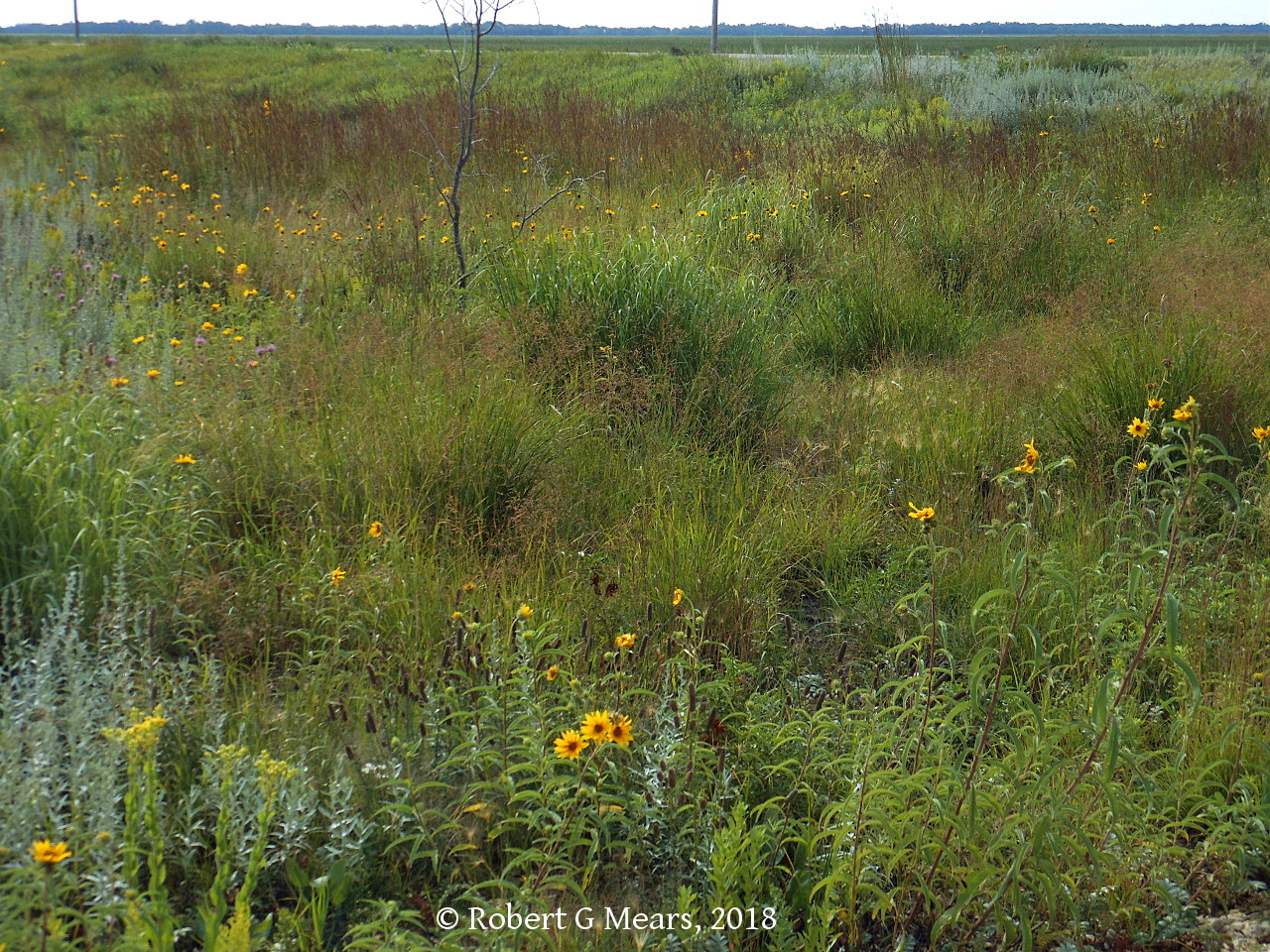
Tallgrass prairie is the name of an ecosystem. It's one of three ecosystems in the Great Plains of North America. The northern portion of it used to cover 6,000 square kilometres in the south-eastern part of Manitoba. Now there are only 30 square kilometres left. That's why the previous provincial government declared it endangered in 2015. It's the only ecosystem in all of Canada with that distinction.
August 13tap images for gallery view
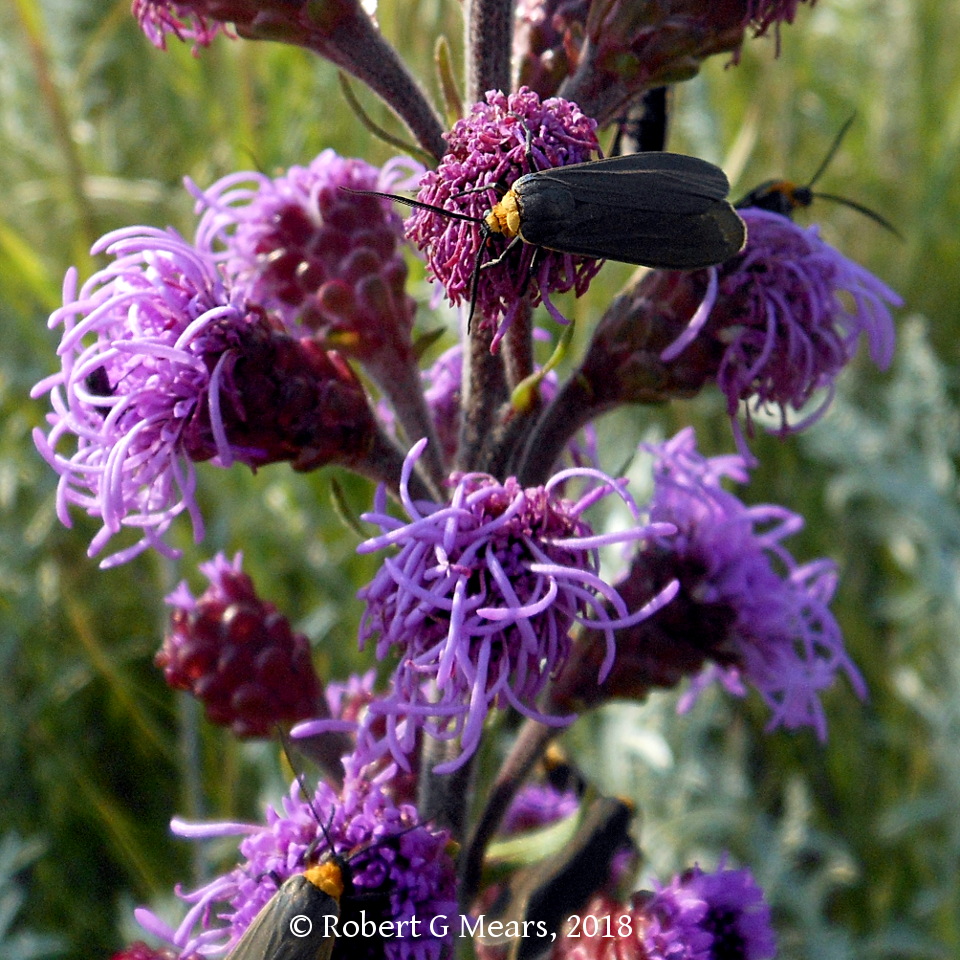
Psst. Psst. What? Who's that? You mean the guy leaning close to the flowers here? Yeah. That's the photog. Oh. Is it okay? Yeah; don't worry, he just wants your picture. Why? So he can show Simone that he finally found a yellow-collared scape moth, Cisseps fulvicollis. Is that what we are? Yes. And this is the middle of our range which is from Florida to the Northwest Territories.
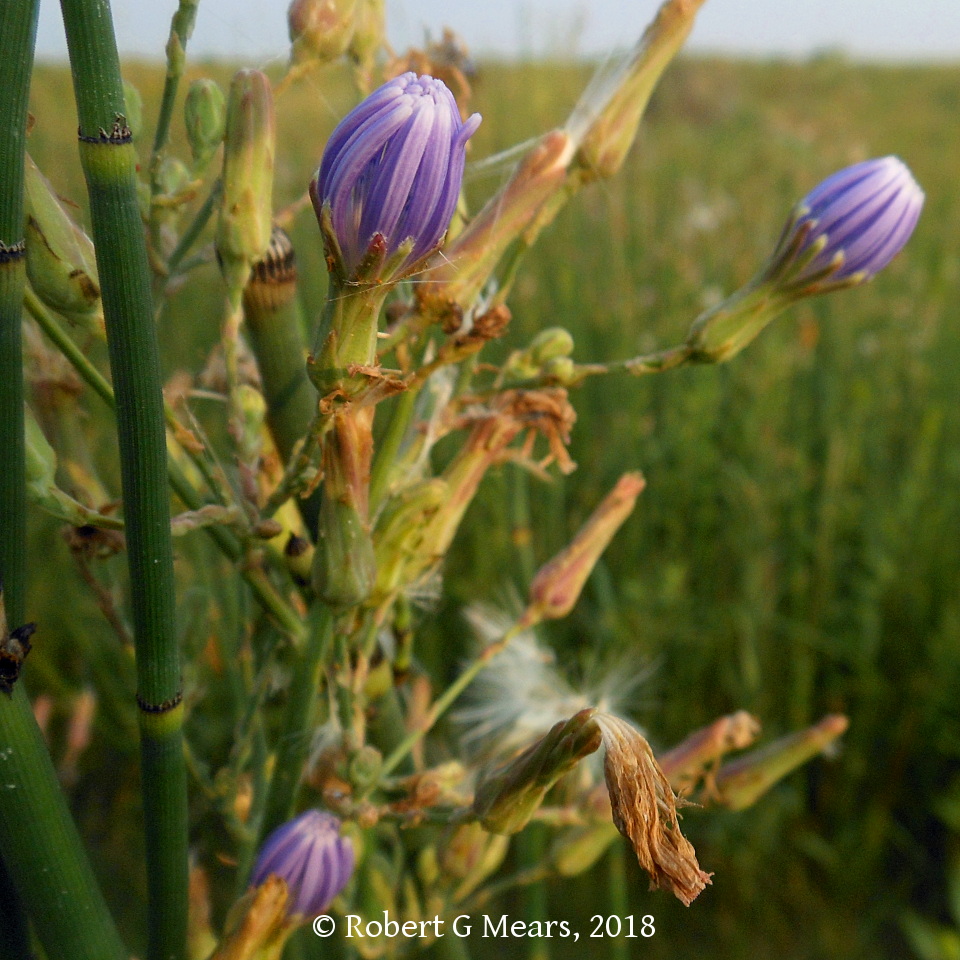
Good morning. You're up early. Ah ... you wanted to show that we close up our flowers overnight. Yeah, some of us do that. It's the dew. Makes everything wet inside. Plus the insects are all sleeping anyway. Oh, right. Except for the moths. But the night-flyers don't bother with nectar much. What's that? Oh, I'm a blue lettuce, Lactuca pulchella.
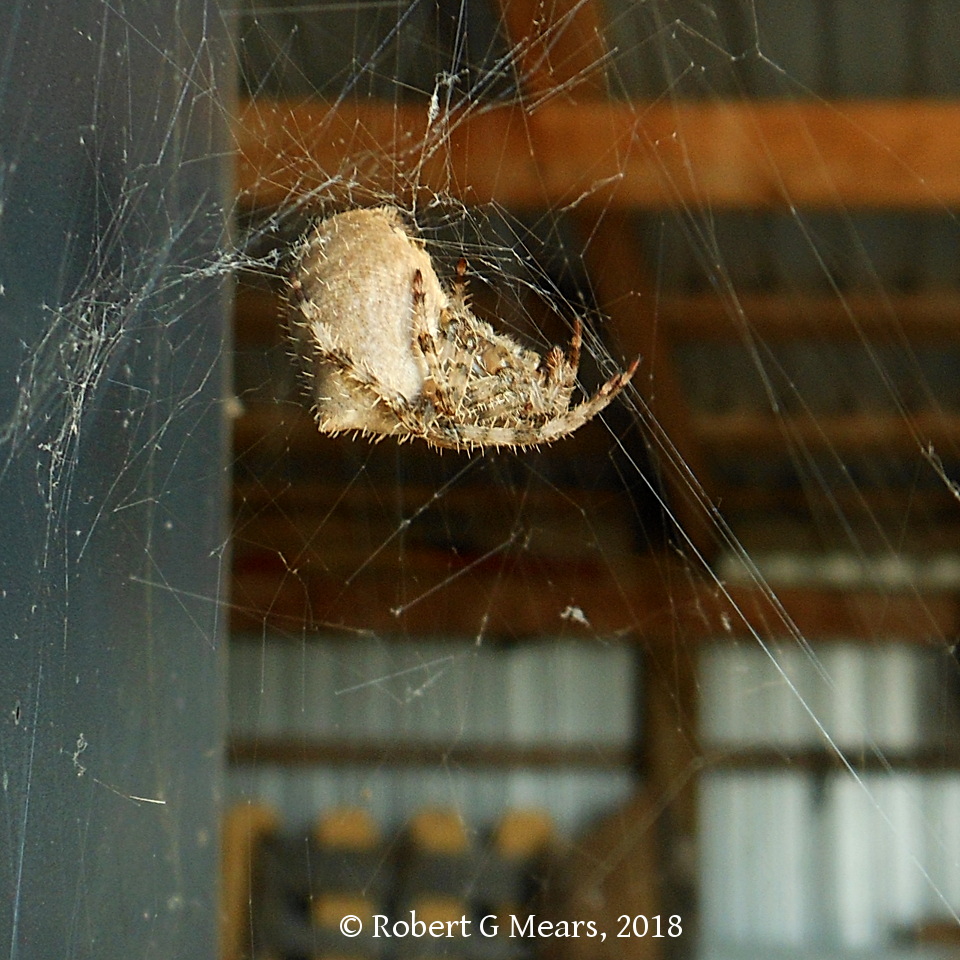
Hey bro. I'm a female cat-faced spider, Araneus gemmoides. This garage looks promising. But I've been here a couple of days and no luck yet. I might have to move.
Did you know our eggs are laid in sacks that we hang somewhere inconspicuous so the young uns can hatch in the spring? When they do they'll put up silk filaments and ride the wind to a new place. Pretty cool, eh?
We're also ubiquitous in North America.
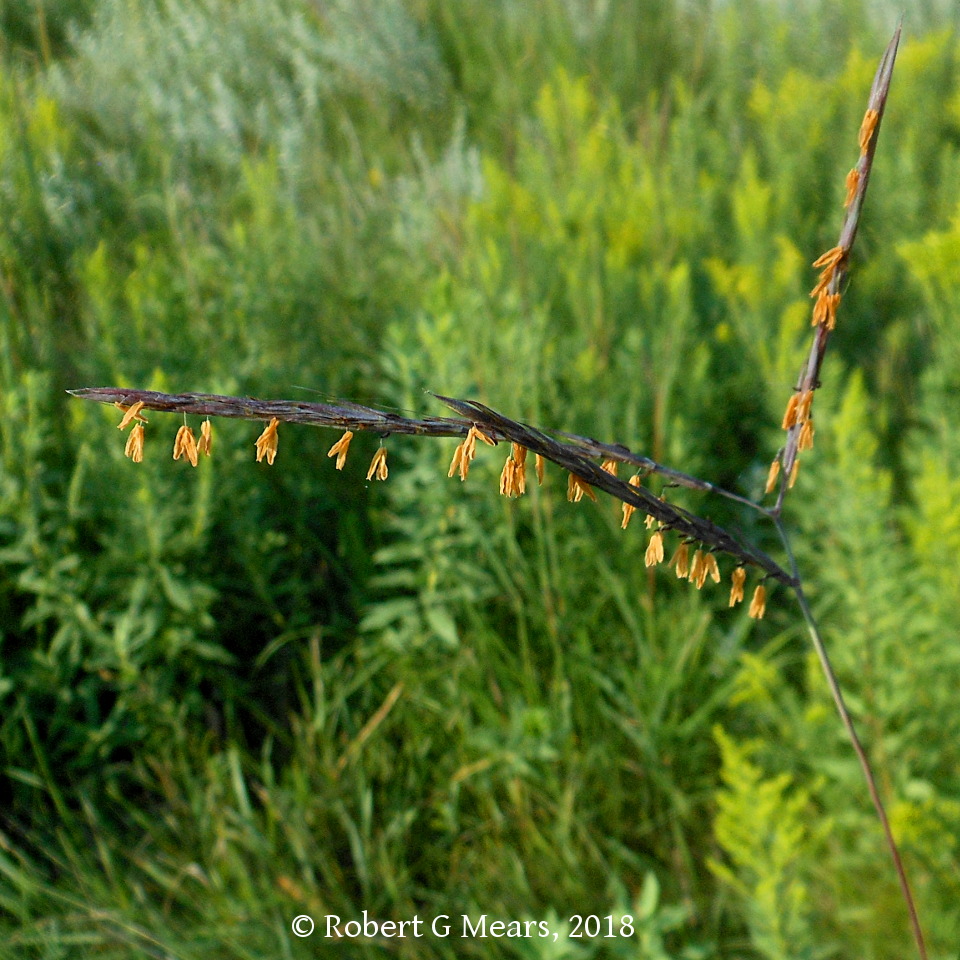
Howdy. You may remember me. I mentioned sometimes our anthers are orange. Remember? Well, I'm a big bluestem, Andropogon gerardii. And this is one of my seed heads. Some of my pollen drops off and gets blown in the wind. The bits that catch onto another anther will pollinate that seed head. It's called wind pollination. Not like the forbs (flowers) which require insects to touch them and drag pollen around.
August 14tap images for gallery view
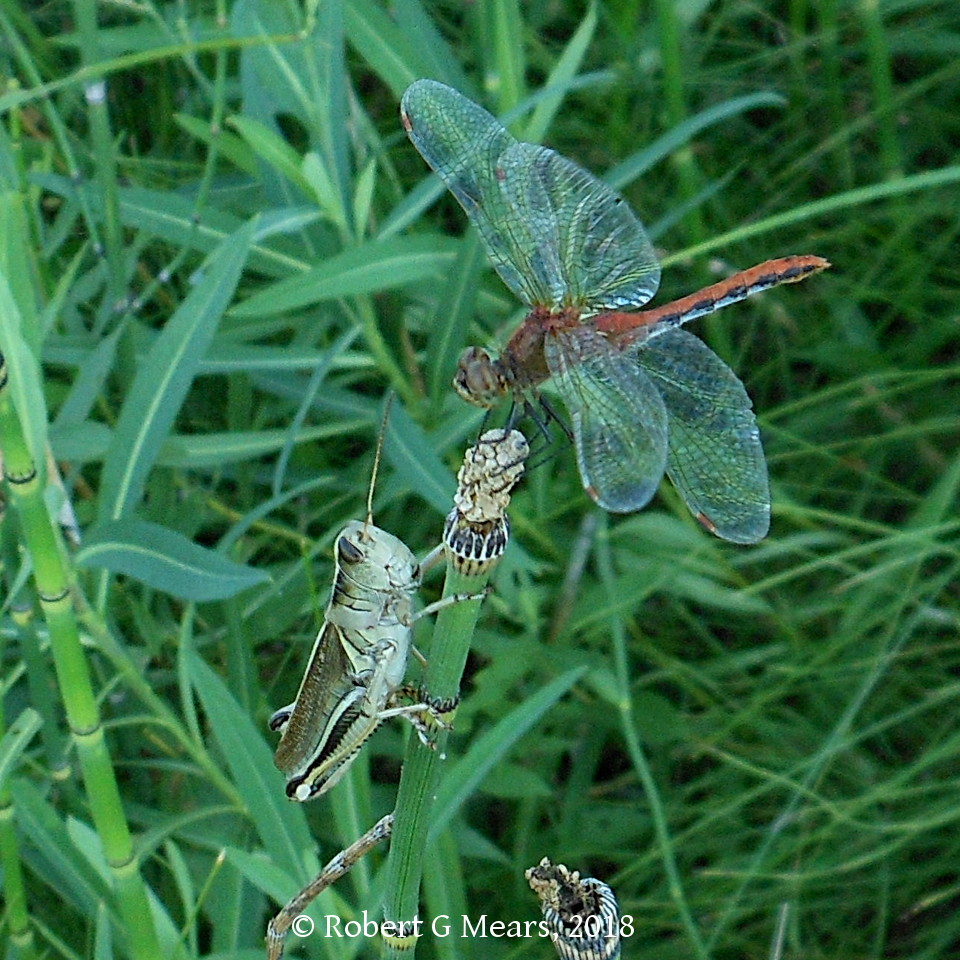
Hey. Come here often? / No. Just stopping by.
Ah. Me, too. / So I hear you guys are wearing out your welcome.
Yeah, why? / You're eating all the flowers.
That's what we do. If they want fewer of us they need more birds.

Hello. I'm a ruby meadowhawk dragonfly, Sympetrum rubicundulum. No. I'm not taking a break. I'm perched here waiting for something tasty to fly by. Then I'll chase it and have some lunch. Not many mosquitoes this year. Good thing that flies and mites are also on the menu.
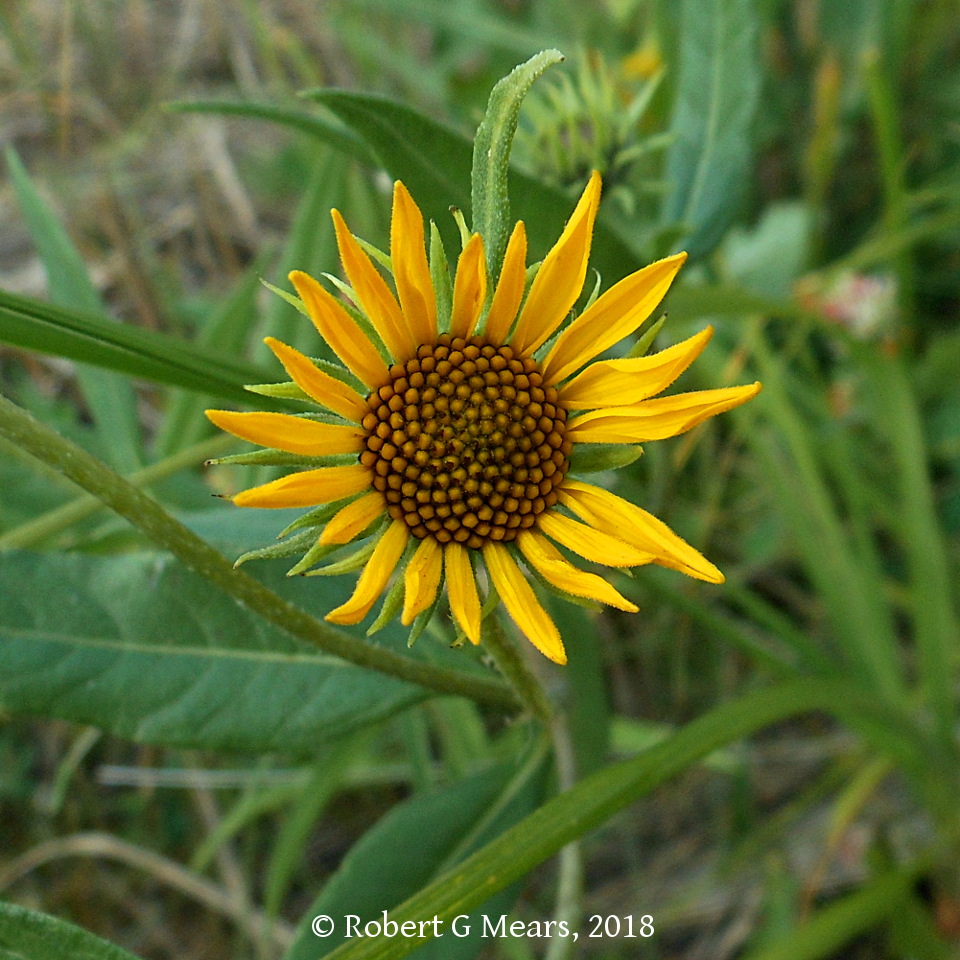
Top of the morning to you. I'm a Nuttall's sunflower, Helianthus Nuttallii. Yeah, that botan Thomas Nuttall discovered us. Parts of us are used medicinally to relieve discomfort from colds, fever and digestive complaints. We'll be serving lunch to the bees in a couple of days.