June 24 tap images for gallery view
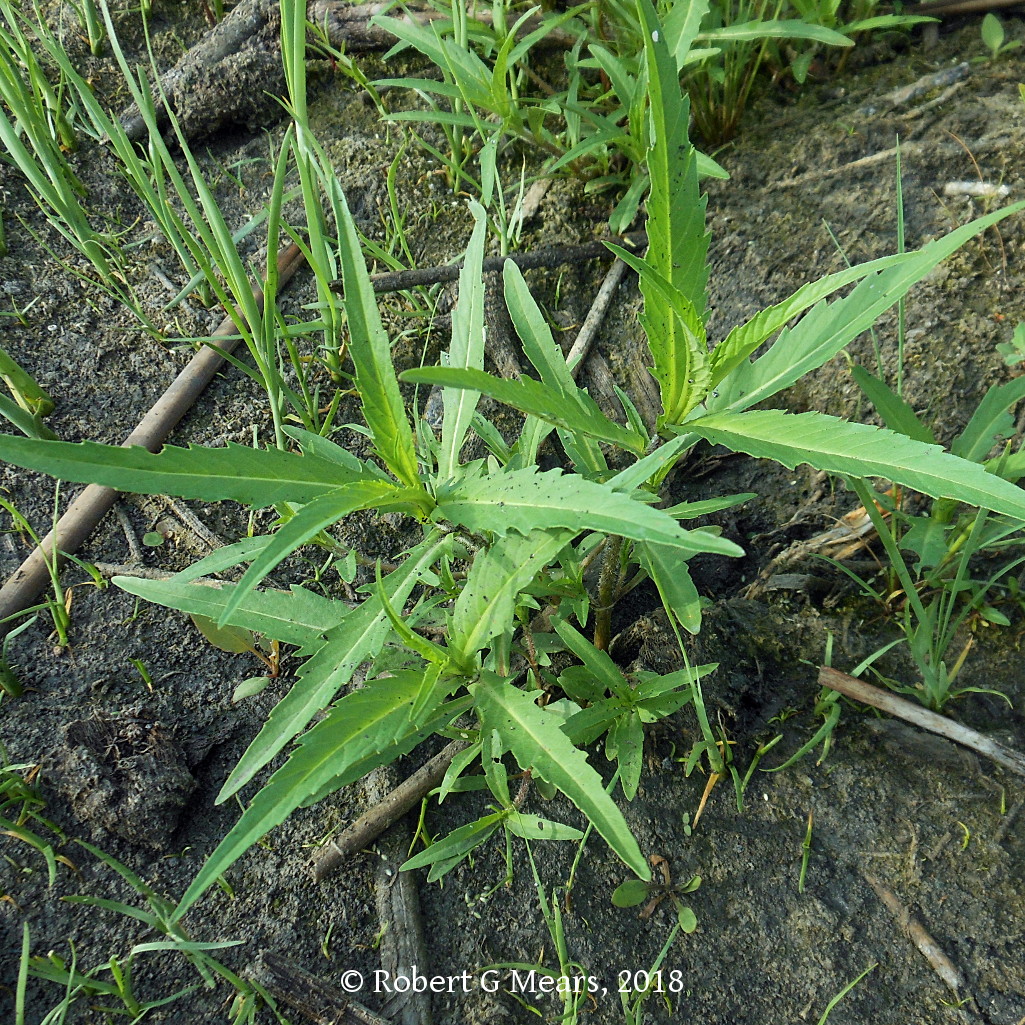
Top of the morning to you. I'm nodding beggartick, Bidens cernua L.. At least that's what I'm called in these parts. I'm an annual and I go for moist areas; mudflats, wettish ditches and the like. My flowers nod when full sized and my seeds have little burs on them, sort of tick-like. Dabbling ducks like my seed a lot.
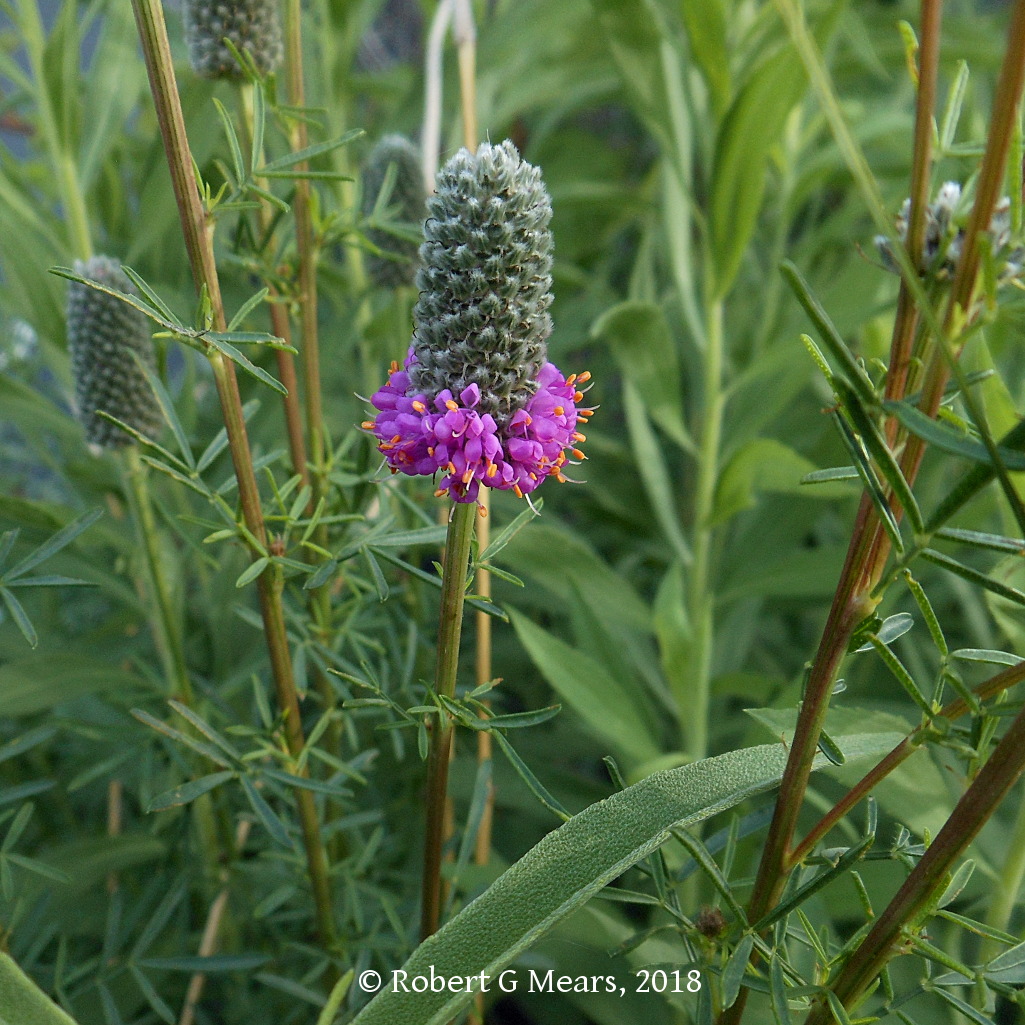
Hey, purple prairie clover, Dalea purpurea Vent. again. I still don't know why I'm called purple. My tiny magenta flowers grow in rings around the cone where my seeds will form. Bees love me.
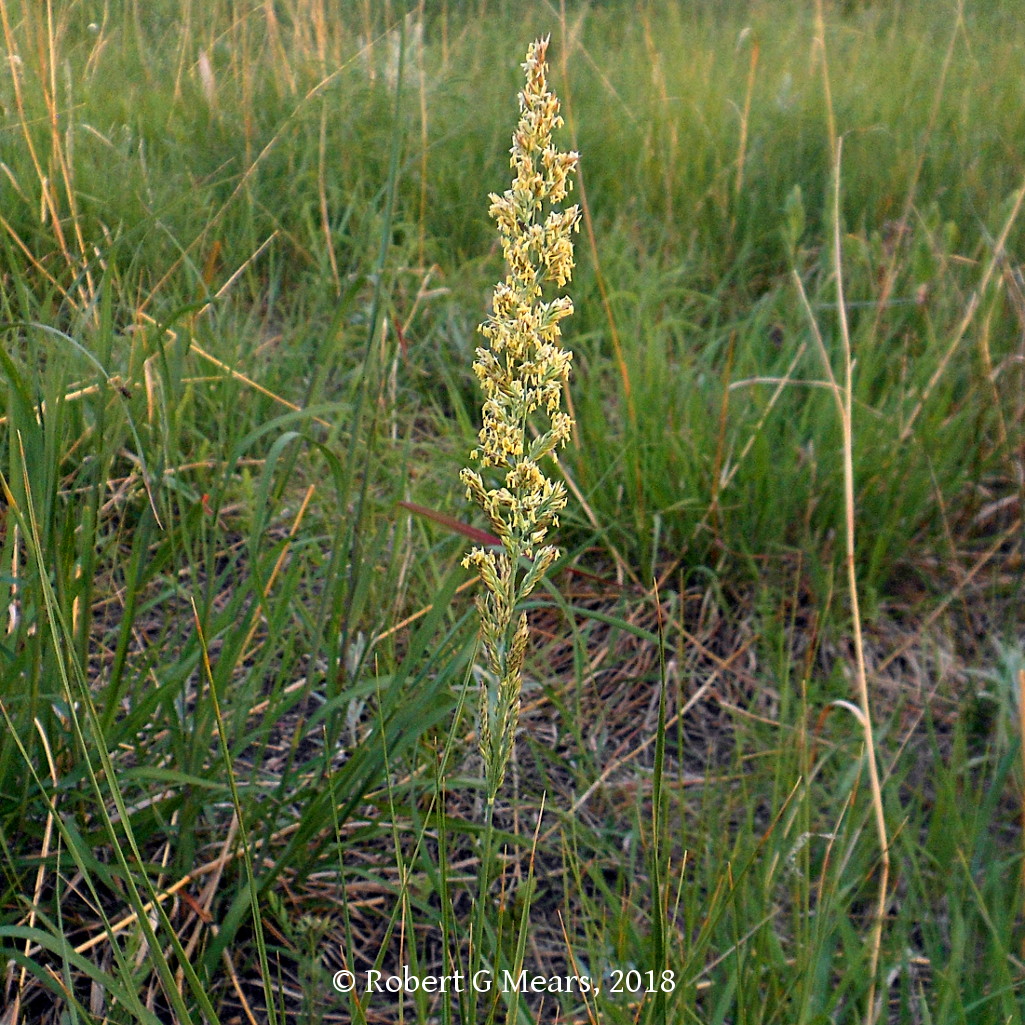
I am called northern reedgrass, Calamagrostis stricta inex.. There are a bunch of reedgrasses. I'm one of the smaller variants. I'm in decline mostly because of ATVs tearing up my environ.
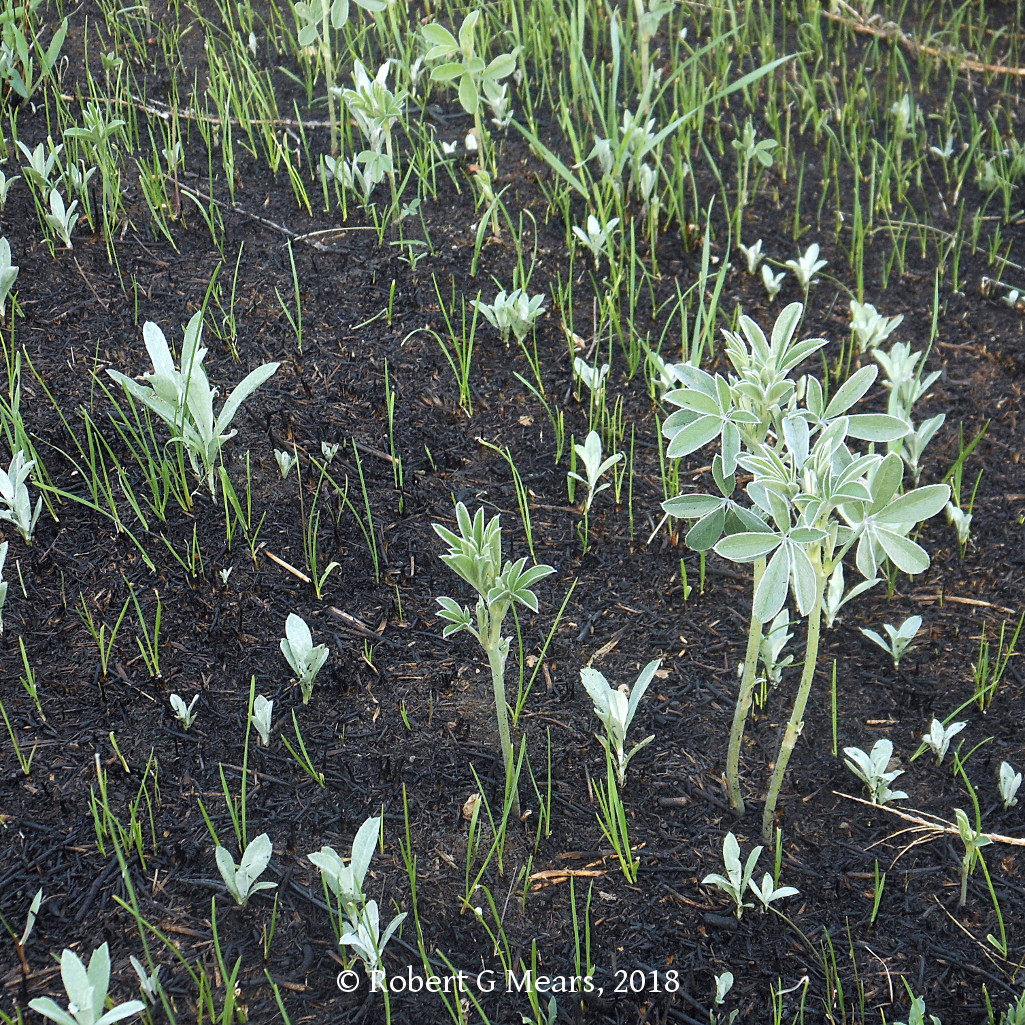
This area was burned to set back a patch of Kentucky bluegrass. It was sending up seedheads near the beginning of June. (Between then and when it starts to flower is a good time to burn Kentucky bluegrass. You can sometimes get rid of it that way.)
But the point of this photo is to show you that plants grow back after they've been burned. In this case silvery scurfpea and prairie sage are returning. As well, there are fewer blades of the unwanted grass than before.
June 25 tap images for gallery view
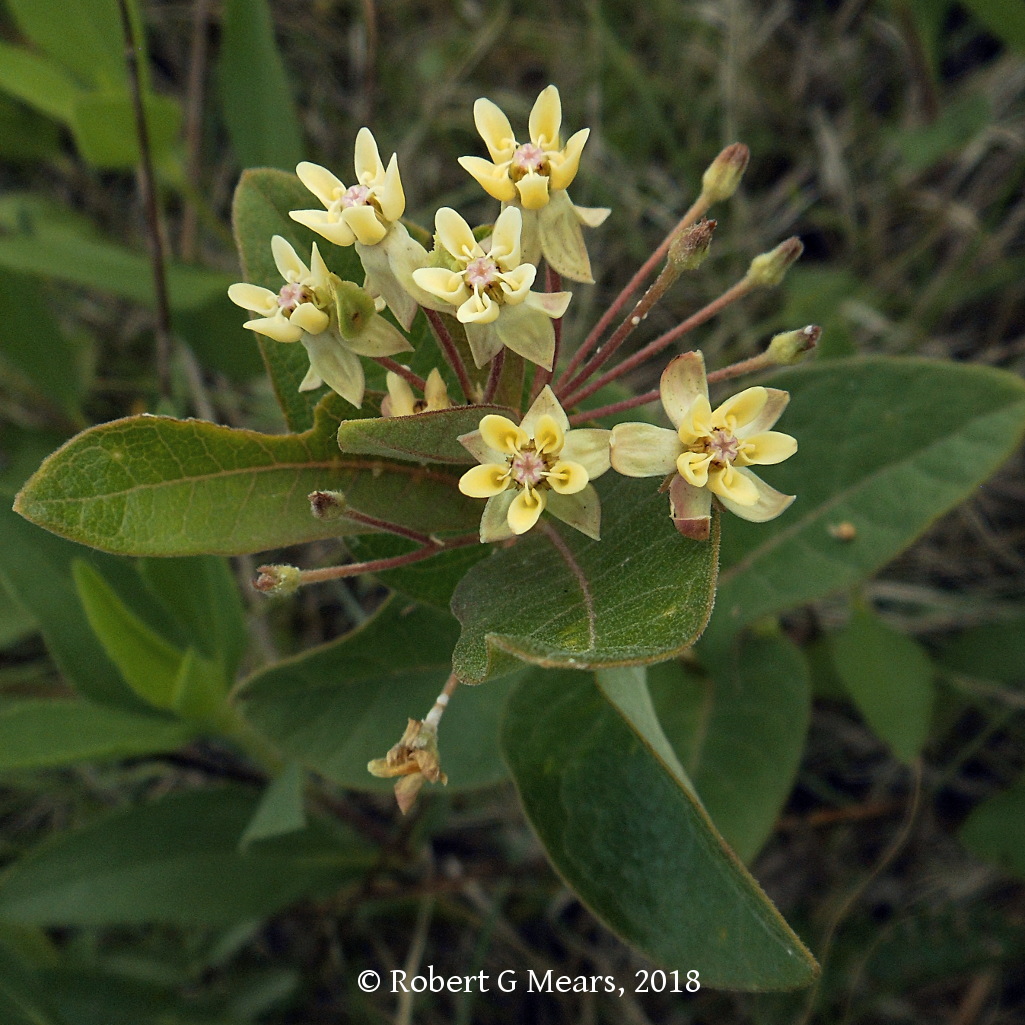
Hello. Dwarf milkweed, Asclepias ovalifolia Decne, again. I get pollinated by ants and butterflies.
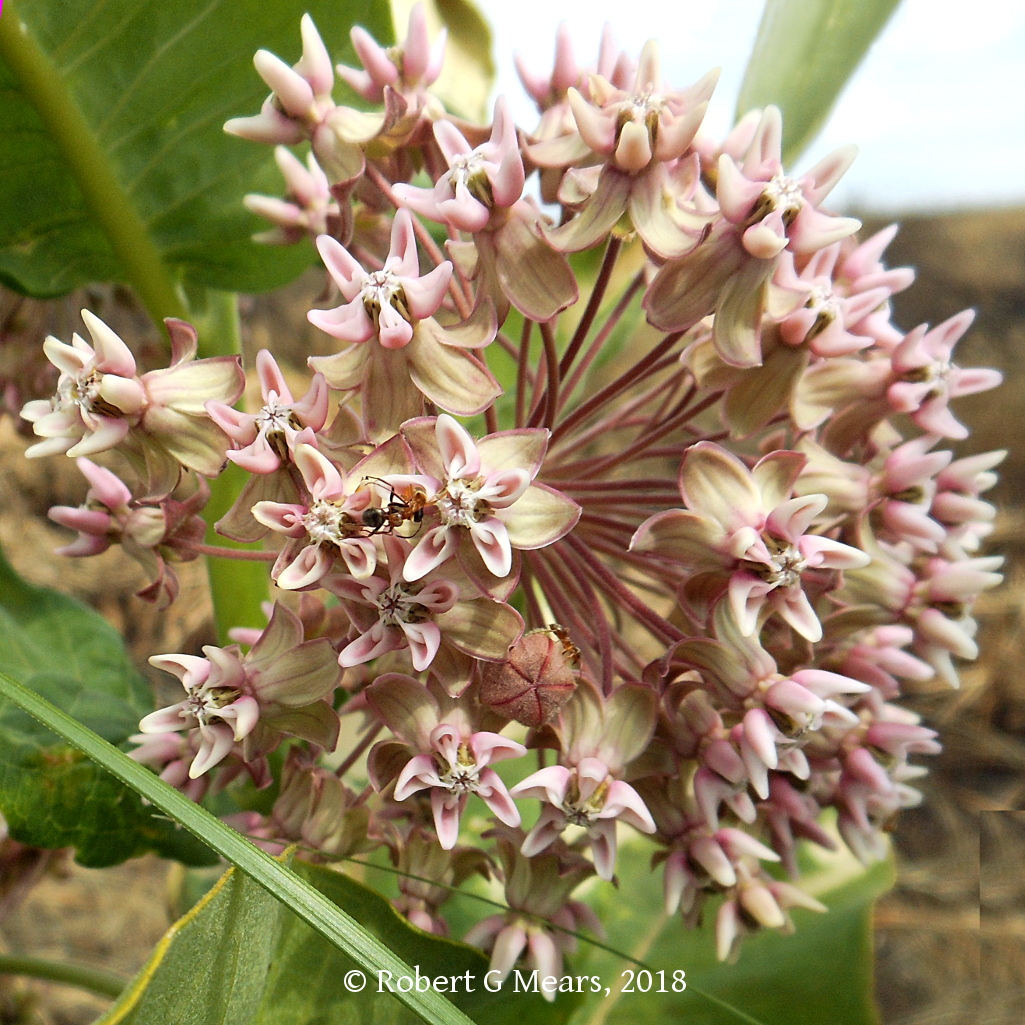
I really don't know why they call me common milkweed, Asclepias syriaca L.. As you can see there's nothing "common" about my flowers. It's just because there are so many of me, I suppose.
Ants love my nectar, by the way. Butterflies, too.
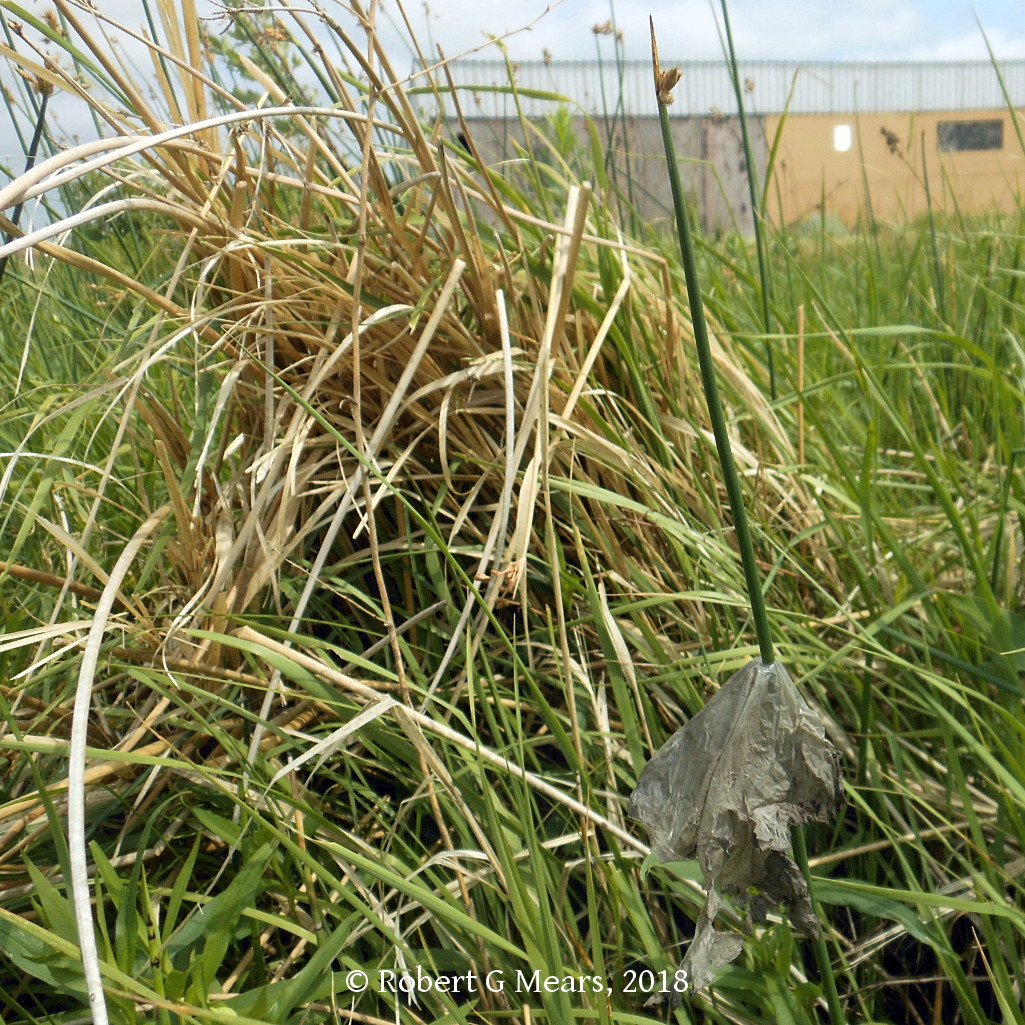
Okay, so I've learned to live with it. But, I've got to tell you, "I really wish humans would learn to pick up after themselves."
Softstem bulrush, Schoenoplectus tabernaemontani.
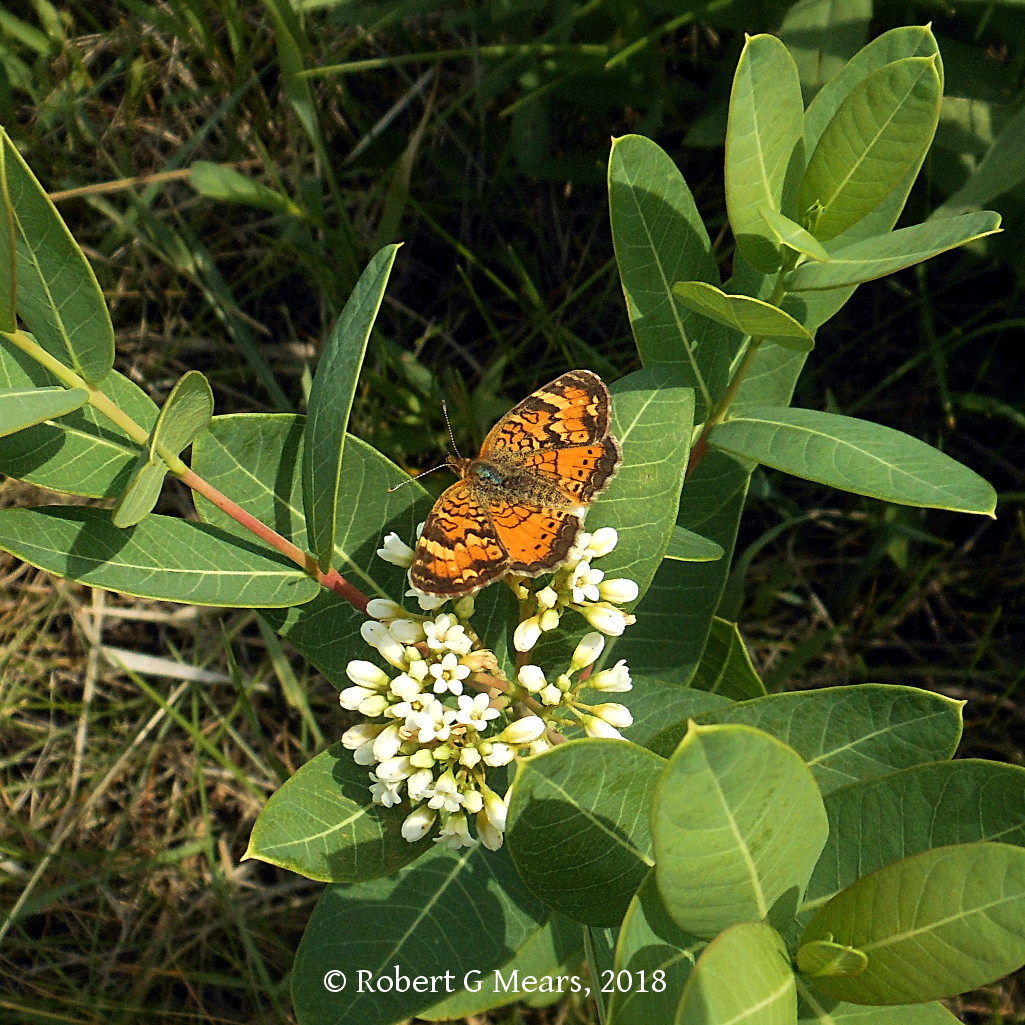
Well, hello there. I'm a northern crescent butterfly and I like Indian hemp nectar. It smells so good.
I've got to tell you, though, I don't understand why we're called butterflies. We're not flies and we have nothing to do with butter. But, we do flutter by. ☺
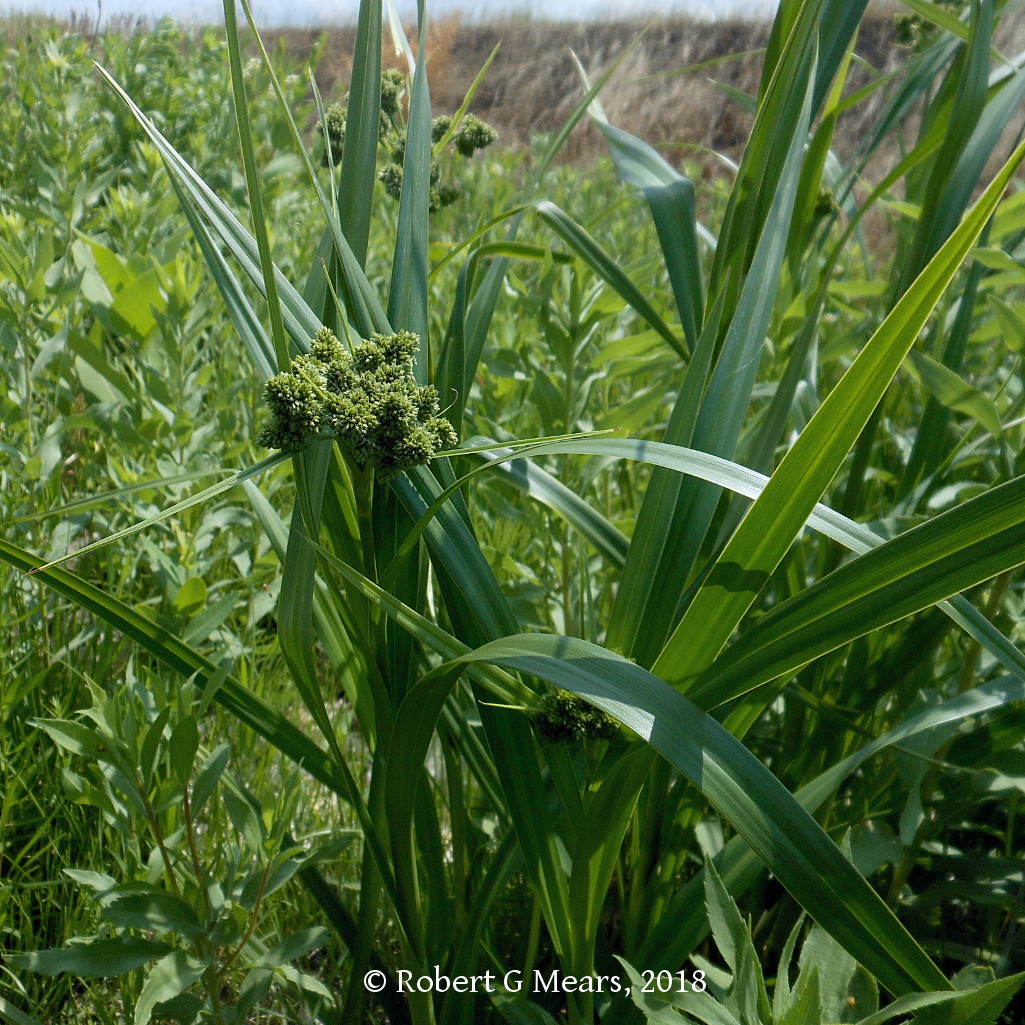
They call me green bulrush. You want to know why? Go ahead, guess. No, it's not because my leaves are so green. It's my flowers.
June 26 tap images for gallery view
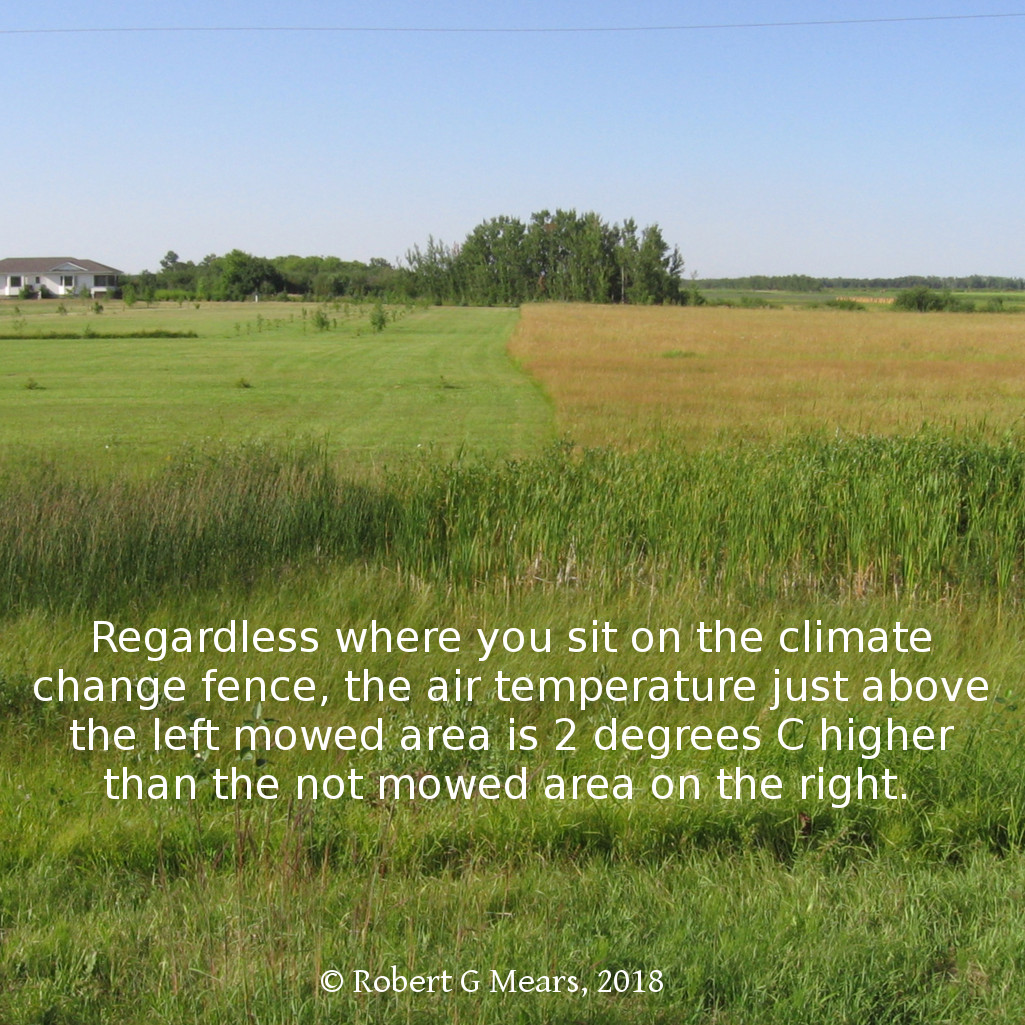
Regardless where you sit on the climate change fence, the air temperature just above the left mowed area is 2 degrees C higher than the not mowed area on the right.
That's how John Morgan and Marilyn Latta discovered the remaining tallgrass prairie remnant over by Gardenton. They looked at infra-red satellite photographs and then checked out the cool spot.
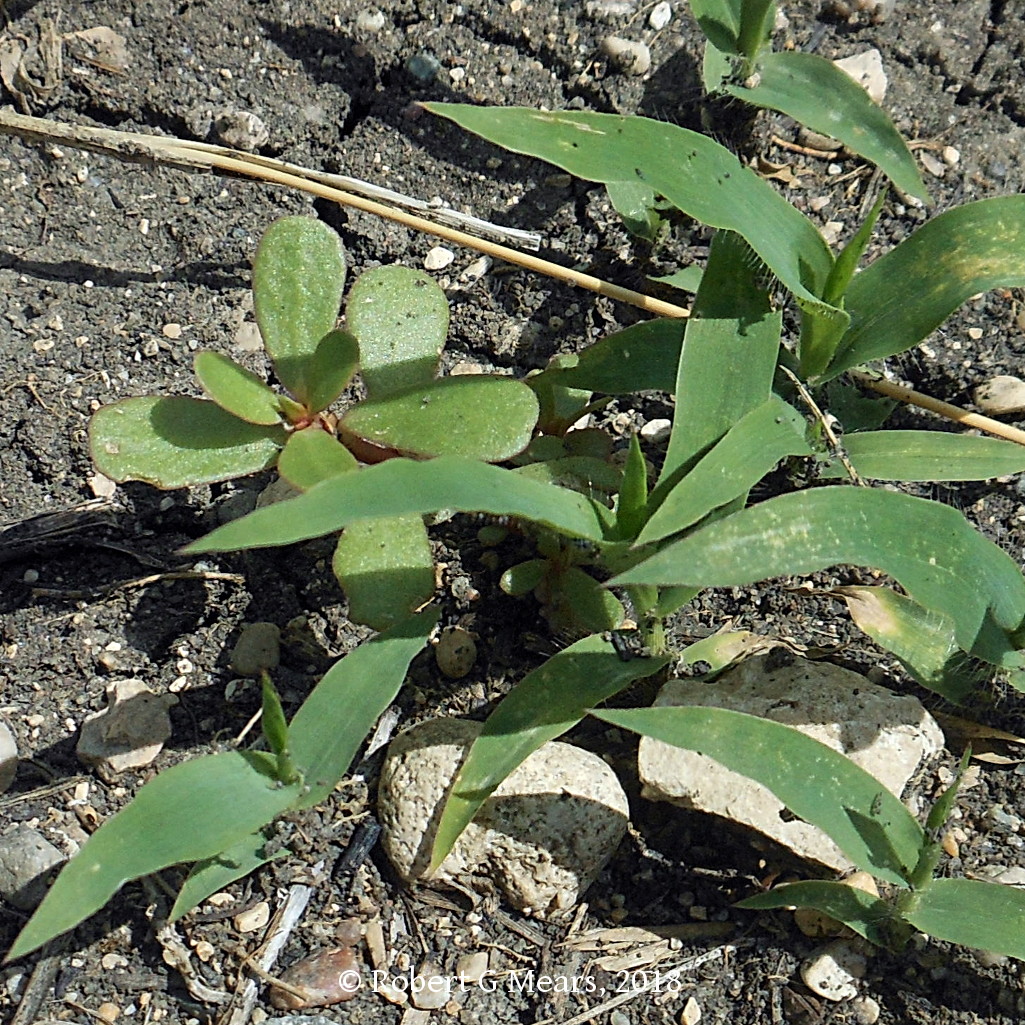
Two annuals here: a forb and a grass.
I'm purslane, Portulaca oleracea. I look sort of like a succulent and I'm good to eat. Plus I supply a few vitamins.
And, I'm witchgrass, Panicum capillaire L.. I show up here and there every year. You can pull me if you like but then you'll miss my fall show.
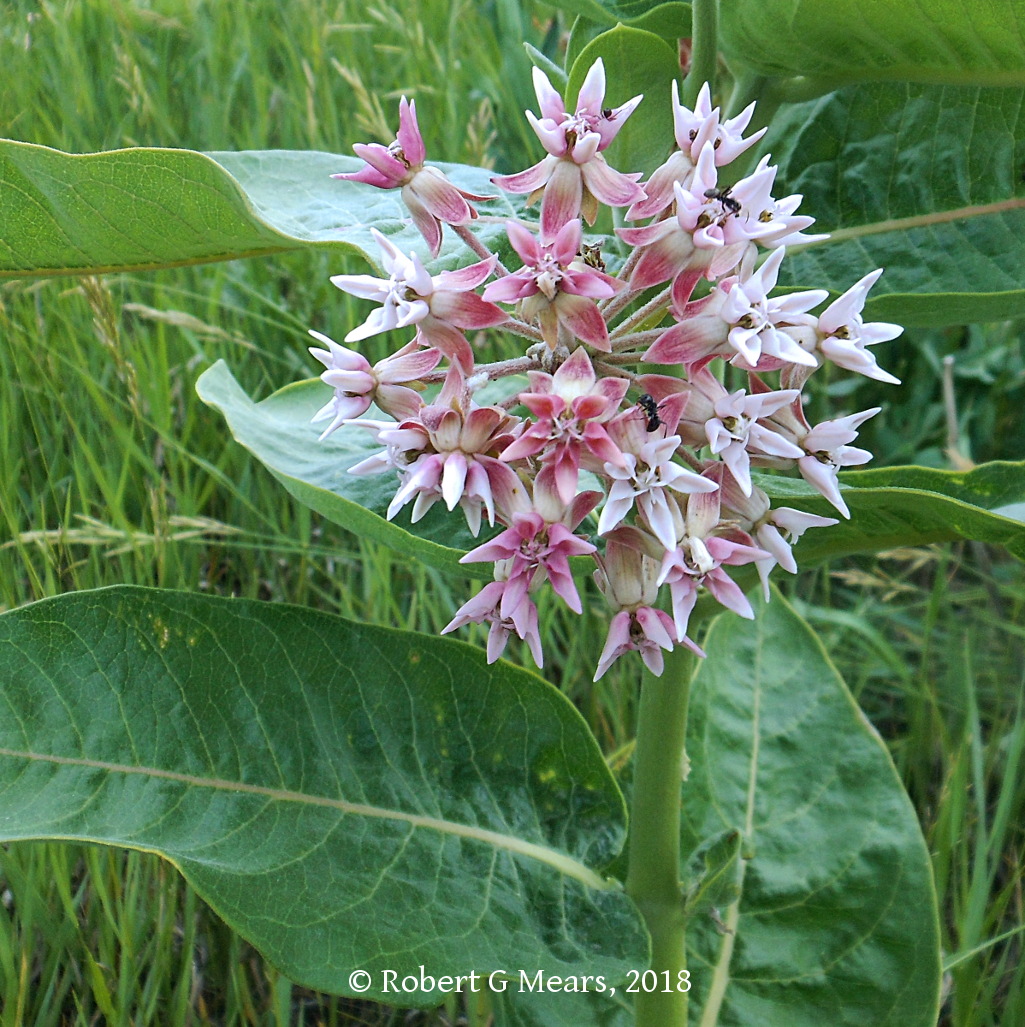
Showy milkweed, Asclepias speciosa, here. I look almost the same as my cousin common milkweed. But my flowers are pointy. So are my leaves which are also more cupped. The photog learned that from Shirley Froehlich at Prairie Originals.
Oh yeah, ants like my nectar a lot.
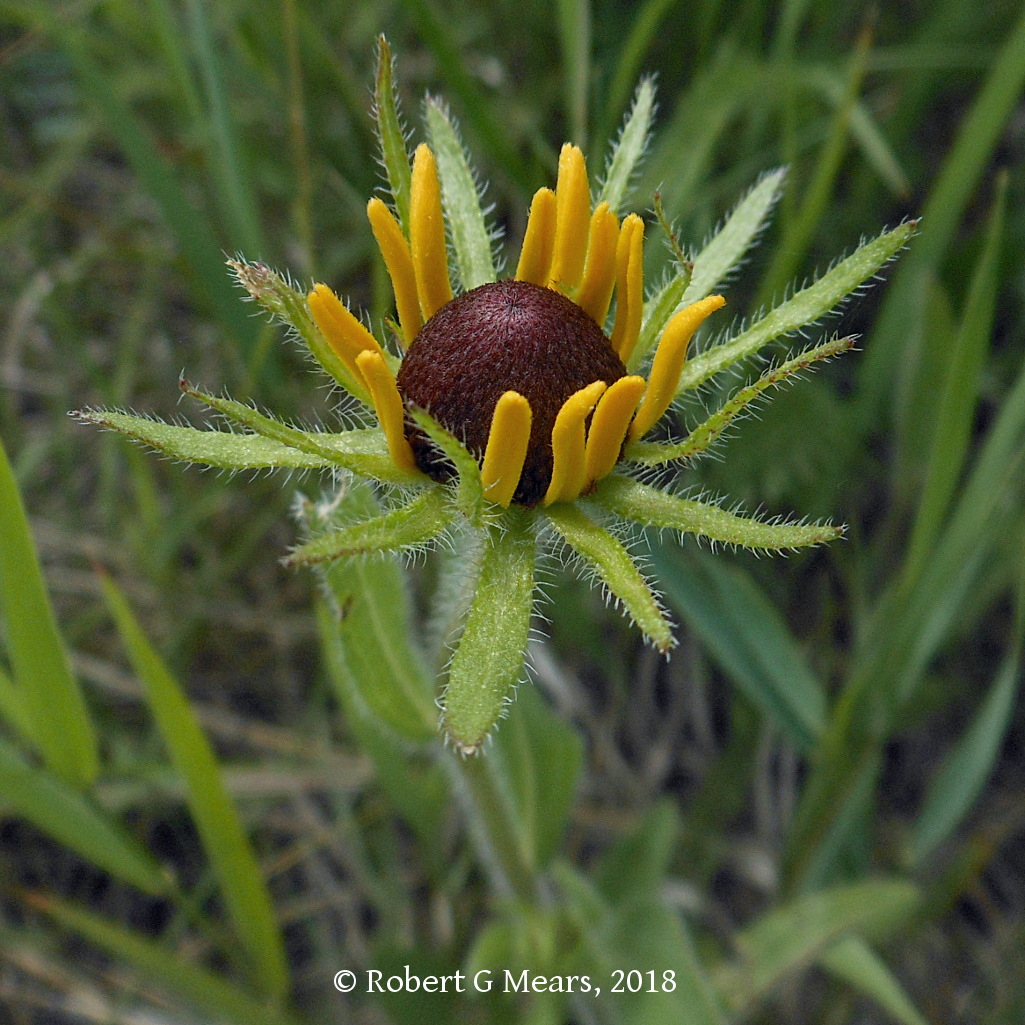
Well hello. I'm black-eyed susan, Rudbeckia hirta. I'm getting set up for the pollinators. Most everyone likes my nectar. They have to watch out, though, for yellow crab spiders. They like to lay in wait on my petals. Oh, and just to let you know, some people call me brown-eyed susan.
June 27 tap images for gallery view
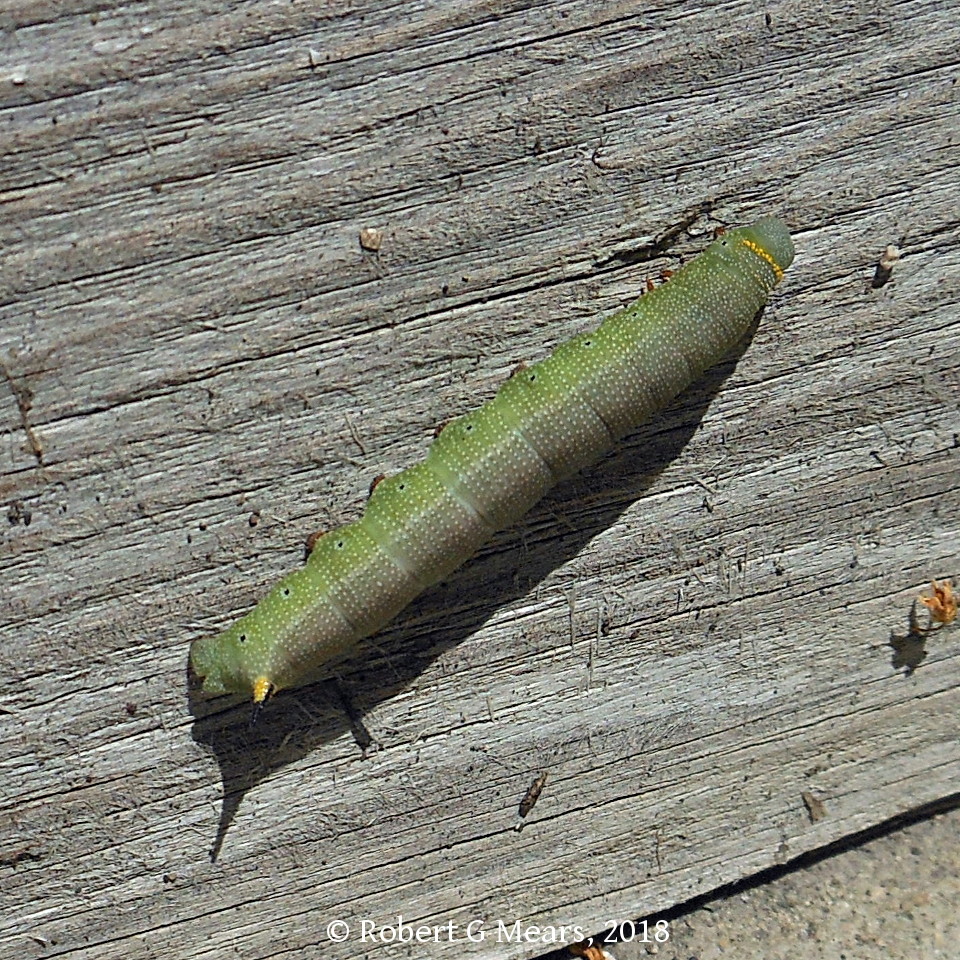
Hey. I'm a snowberry clearwing caterpillar (Hemaris-diffinis). If you'd be so kind, could you please direct me to the ... ah ... snowberries.
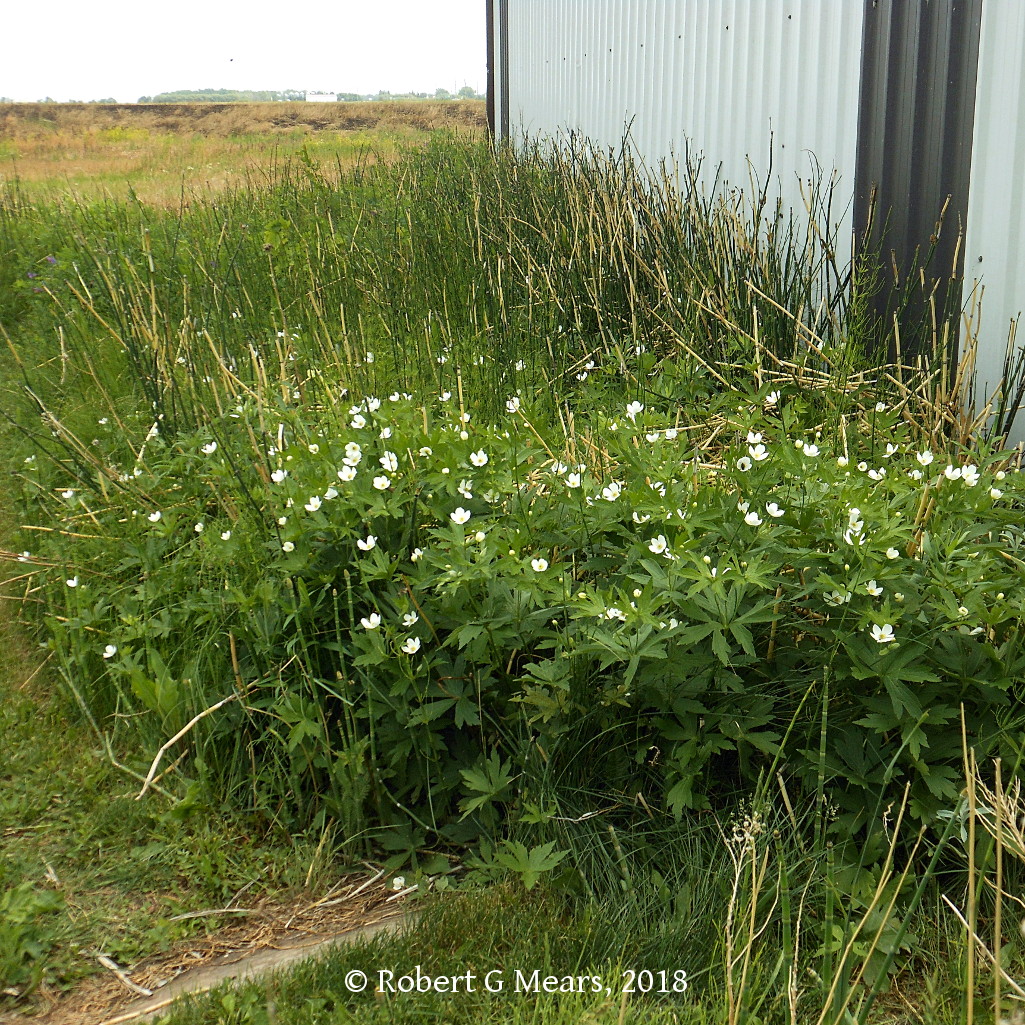
Hi. We're mosses. About four or five of us here. Along with three or four lichens. Really. It's a case of best laid plans and all that. You know, the people tending this place decided that behind the house (where it's shady) was a good place for a moss garden. An excellent choice, to be sure. But they neglected to inform the big folks to stay away.
June 28 tap images for gallery view
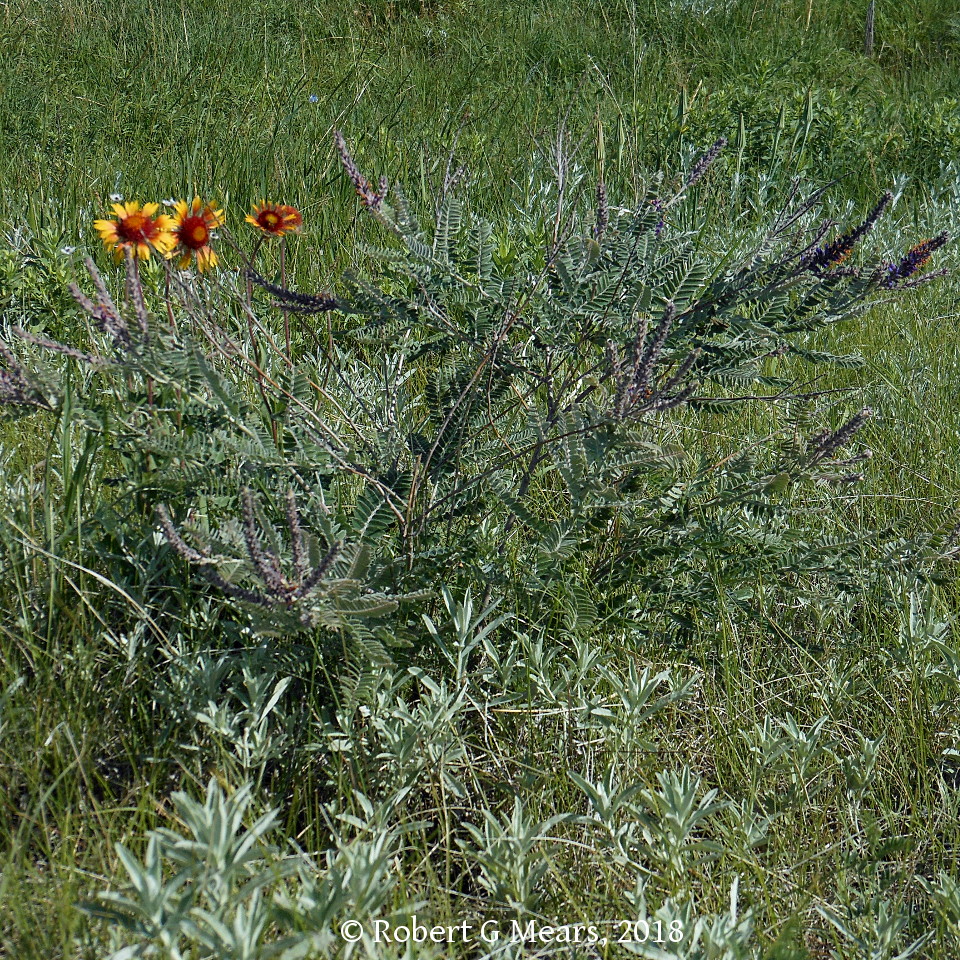
Hey, leadplant, Amorpha canescens, over here. I'm a sub-shrub and I belong to the Amorpha family. You already met my siblings: dwarf false indigo (A. nana) and indigo bush (A. fruticosa). While our appearance is slightly different we all smell wonderful.
Oh yeah, that's lead as in the metal, not lead as in leader.
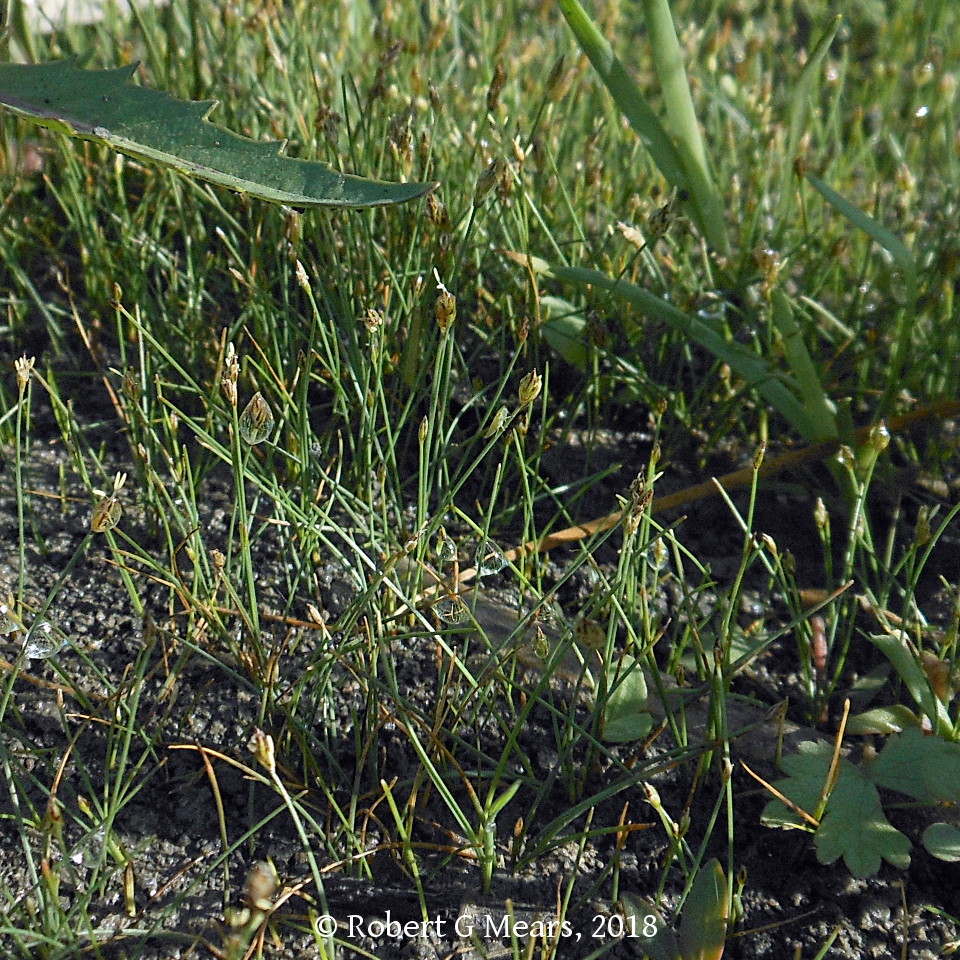
We're called needle spikerush, Eleocharis acicularis. We're tiny reaching about one and a half inches high. We love mudflats and moist areas. Some people use us in terrariums.