July 9tap images for gallery view
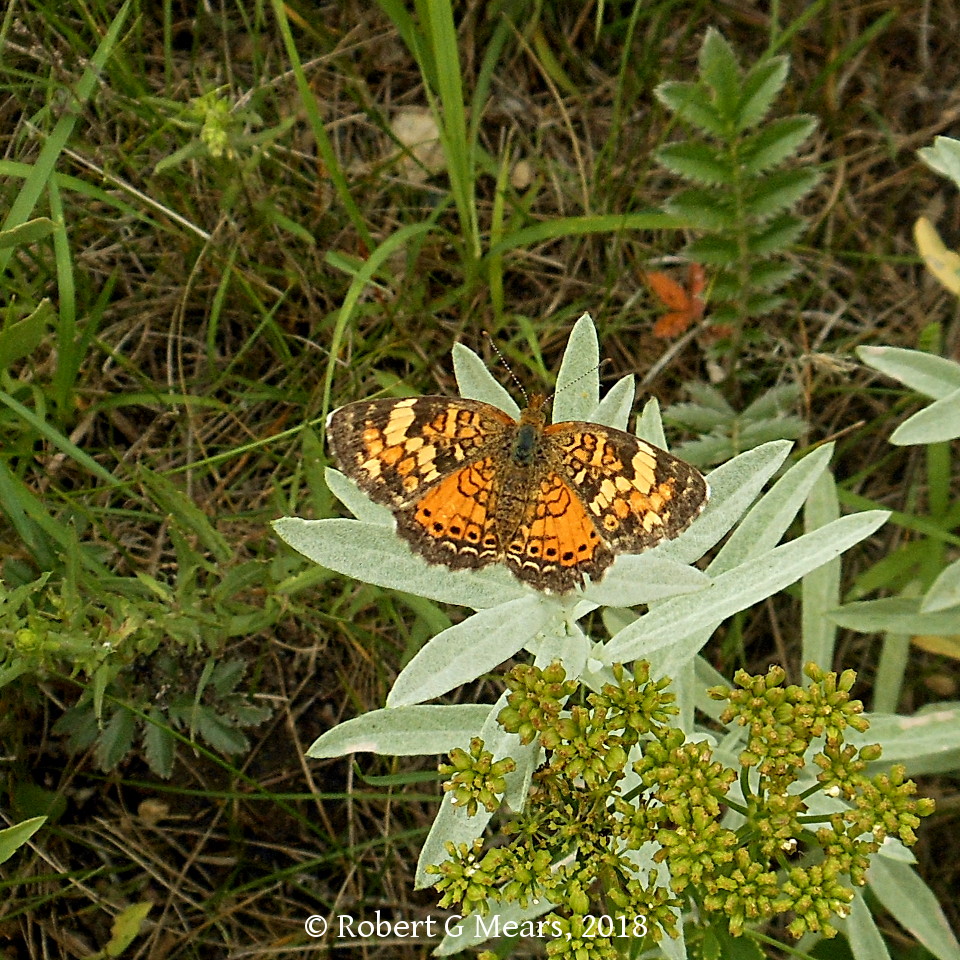
Good day. I'm a pearl crescent butterfly. That's Phyciodes tharos in scientist lingo. I really like it here. And so do my extended family.
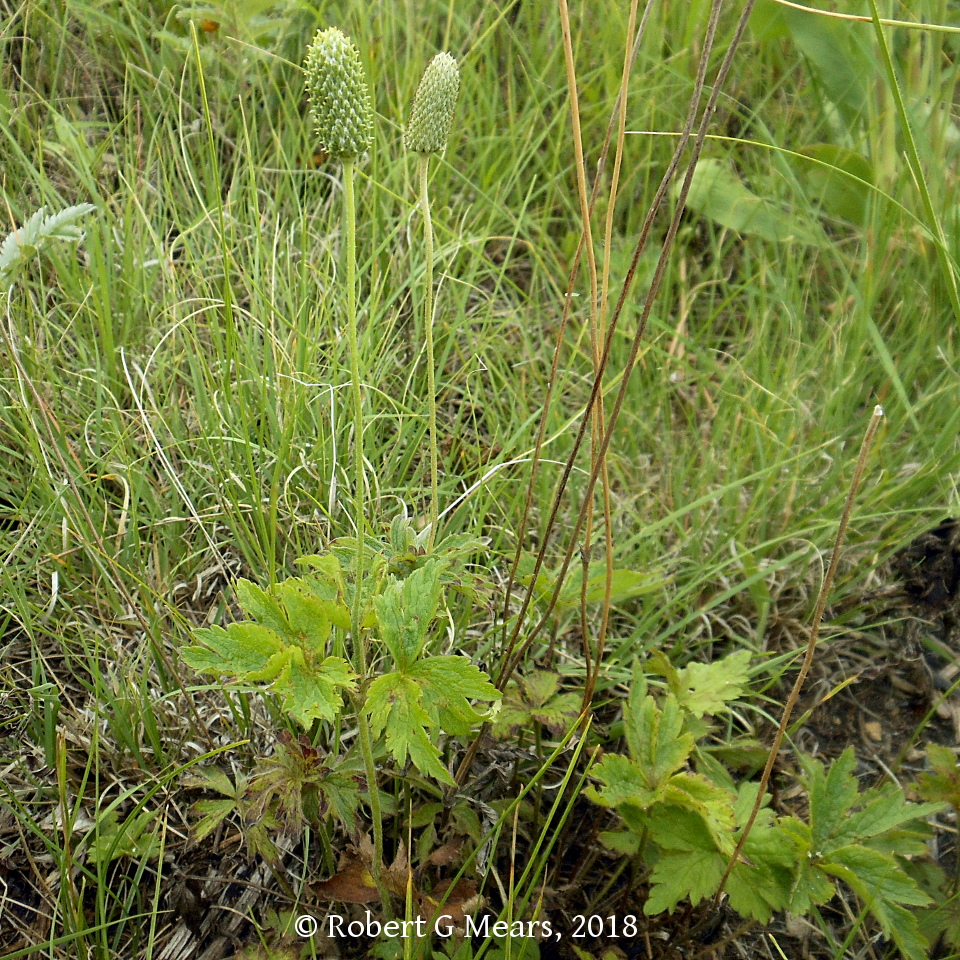
Hey. Long-fruited anemone, Anemone cylindrica, again. I'm not sure why they call my seed head a "fruit". Maybe because it sounds better than saying long seed headed. Anyway, now you get the long part.

Yeah, good to see you, too. Remember, silvery scurfpea, Pediomelum argophyllum (Pursh) J. Grimes? These are my flowers. They're cobalt blue, eh. In real life they are about 1/4 of the size you see in the picture. Oh, and bees and butterflies like my nectar.
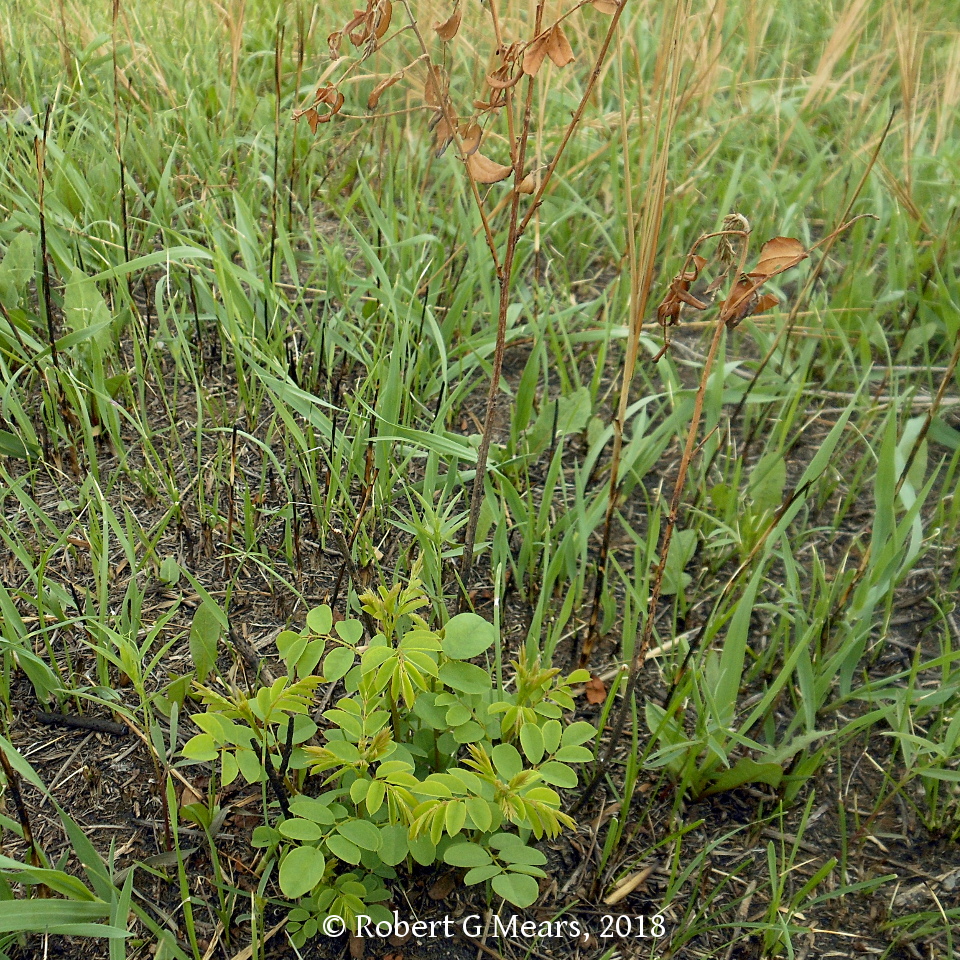
The host here keeps going on about burning. Well, he got me. I'm indigo bush, Amorpha fruticosa. And I was burned two weeks ago. You see those brown stems and leaves. That was me before. Well, look at me now. And, just so you know, my cousins in the Amorpha family—A. canescens and A. nana—like being burned, too.
July 10tap images for gallery view
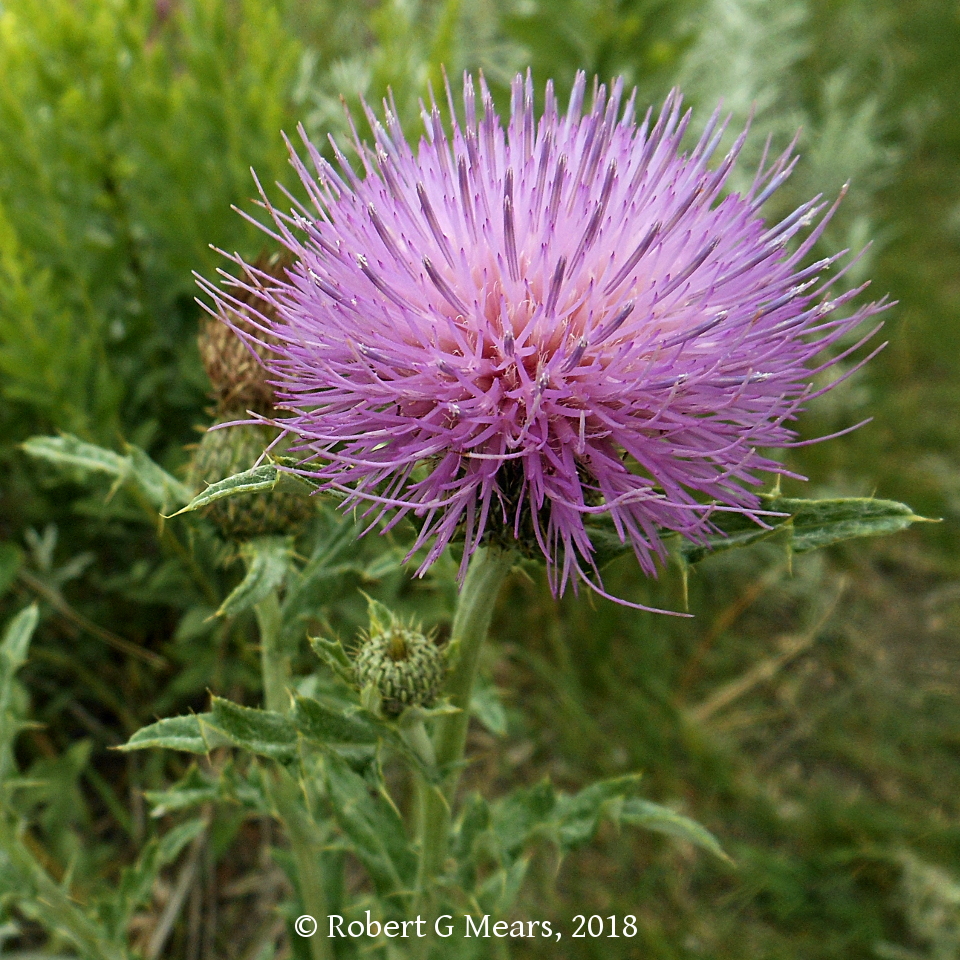
Good day. I'm Flodman's thistle, Cirsium Flodmanii again. Julius H. Flodman doesn't own me; he's the botan who named me. Bees, butterflies, hoverflies, hornets, and beetles like my nectar. The photog has some great photos of me available as prints to spruce up your wall. ☺
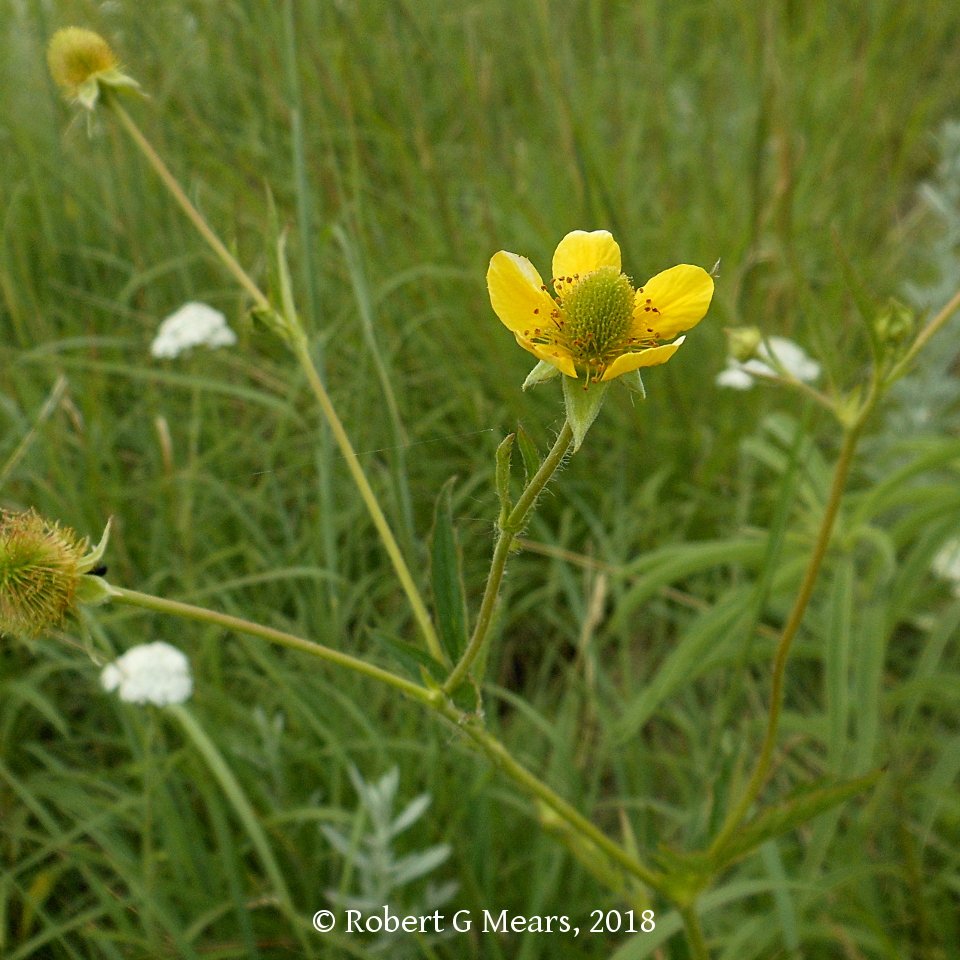
Hey, yellow avens, Geum aleppicum, here. I have a peculiar growth habit (so they call it). My basal leaves look like my cousin, three flowered avens, but then I reach for the sky and have a tiny flower on the end of each branch. It helps with seed dispersal to get my bristly seeds out there.
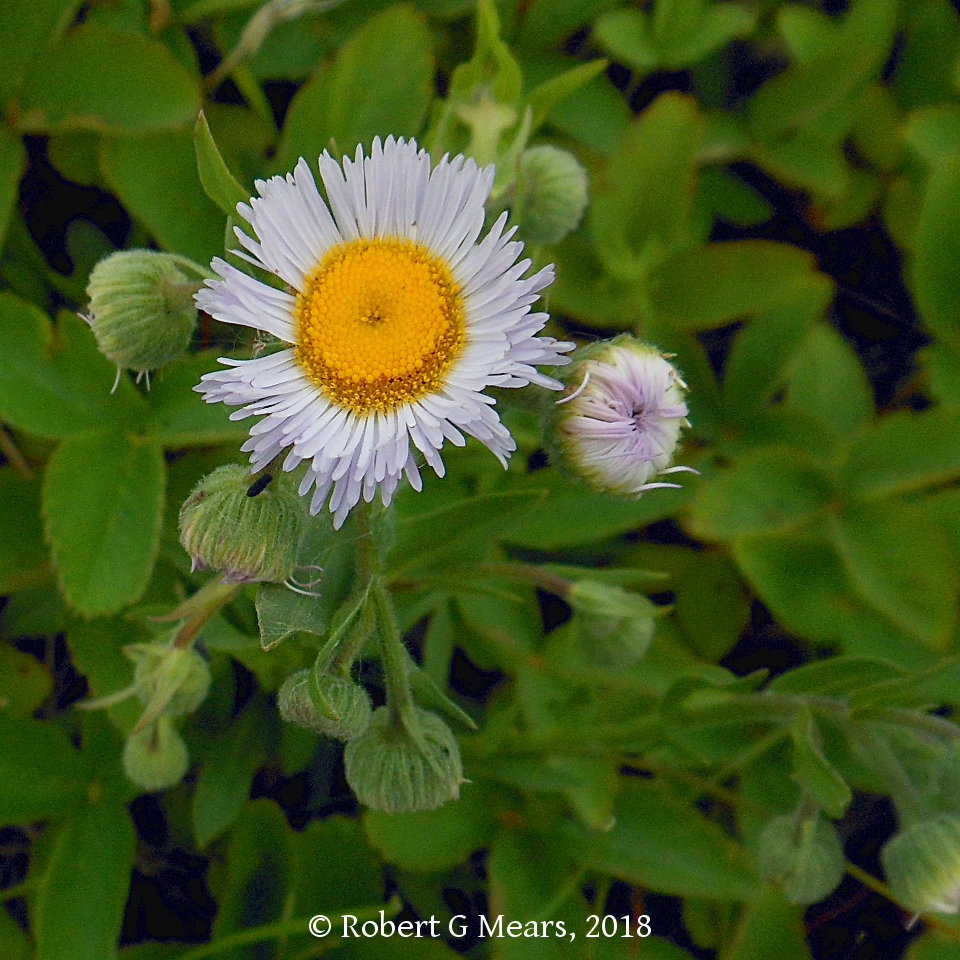
Yo, Philadelphia fleabane, Erigeron philadelphicus L., again. You know what they say, "The show must go on!" ☺ And I don't want to keep those bees, butterflies, and moths waiting.
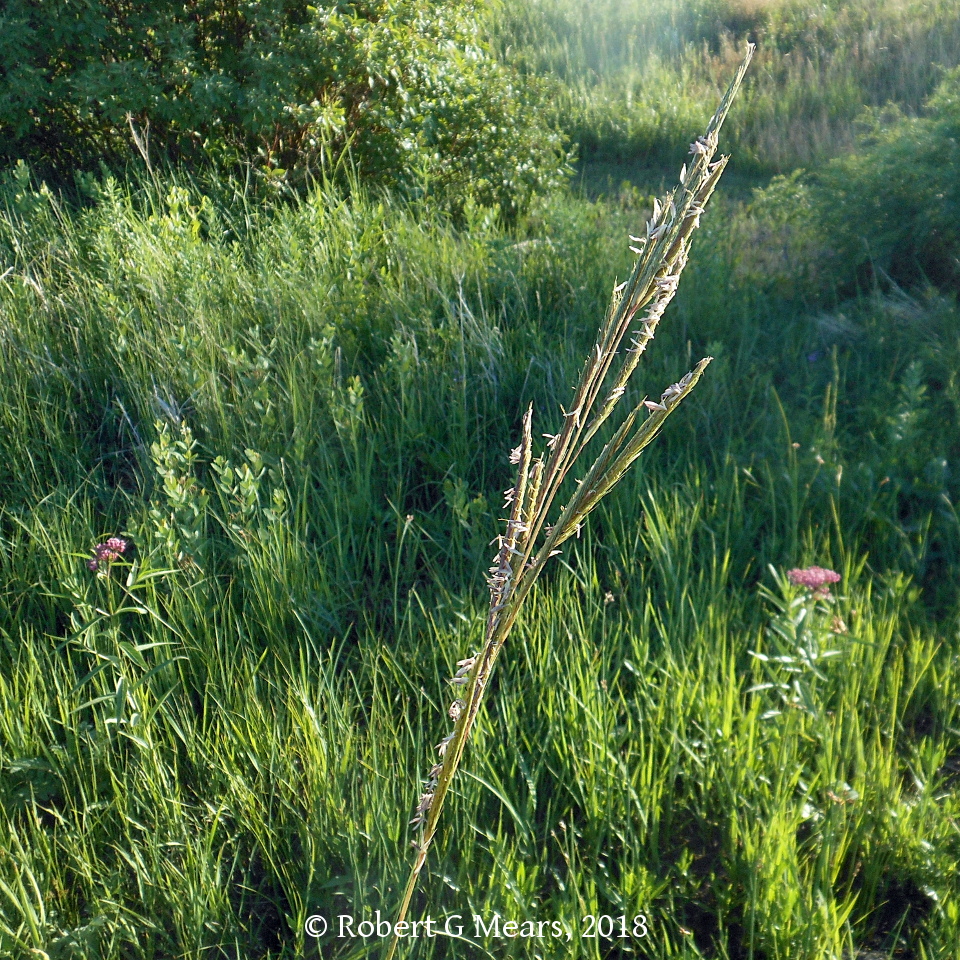
Morning. Prairie cordgrass, Spartina pectinata, again. This is my seed head. I'm flowering and hoping my anthers catch pollen from a sibling in the area. It all depends on the wind at just the right moment. Being pollinated by the wind seems so dicey, but it works.
July 11tap images for gallery view
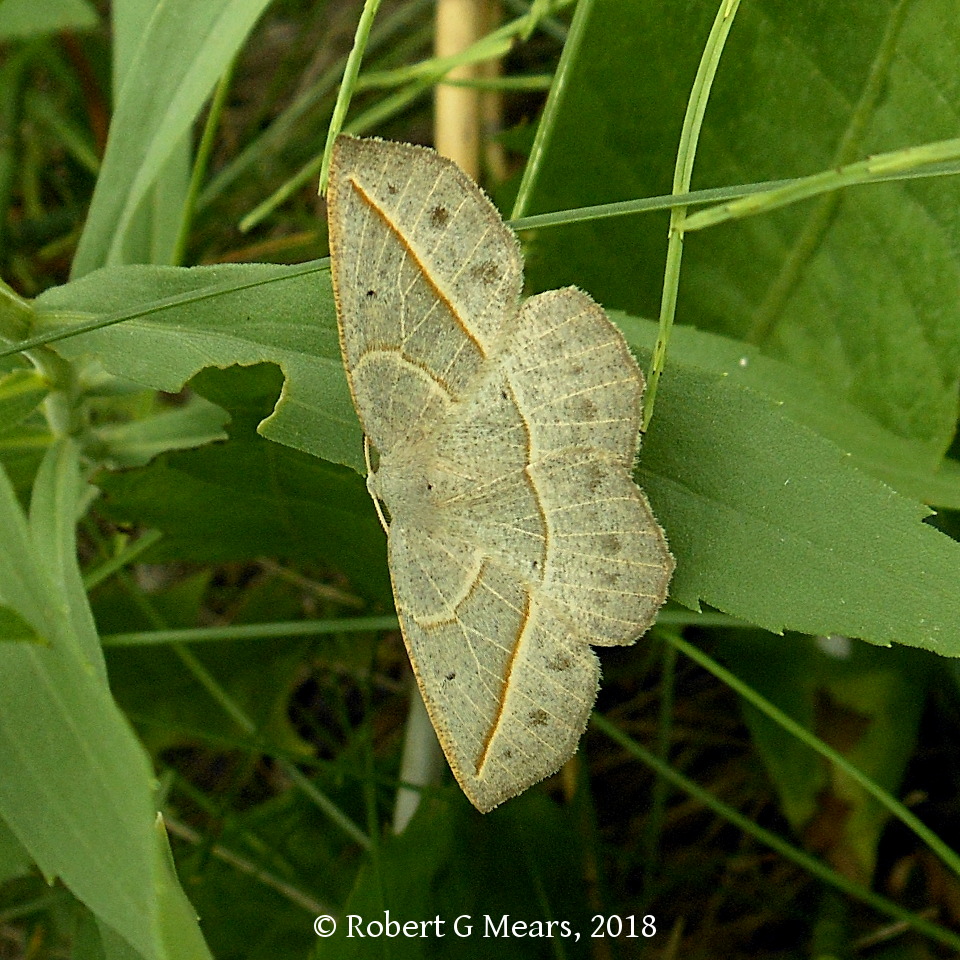
Well, hello there. I'm a confused eusarca moth, Eusarca confusaria. They call me confused because some of us are more brown than others and some have a tan or white base colour with hints of yellow, like me. I didn't eat the goldenrod here. But I may have when I was caterpillar.
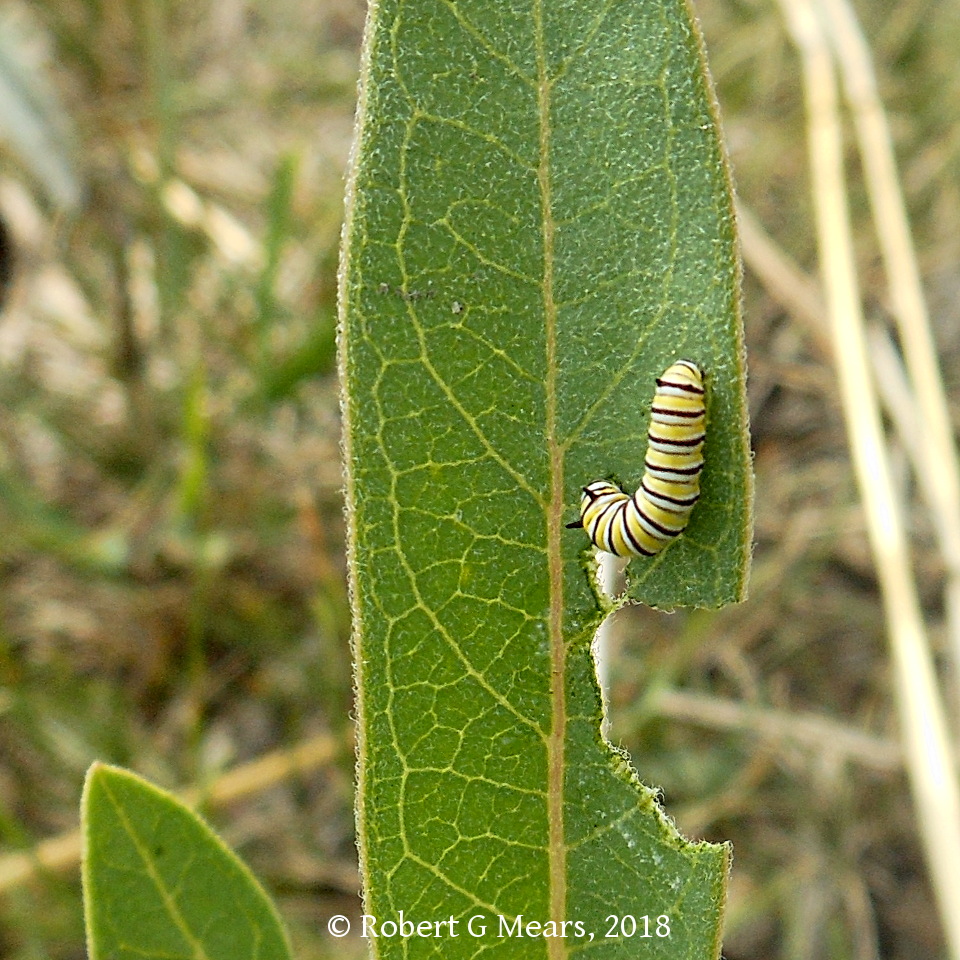
Yes. You're right. I'm a monarch caterpillar, Danaus plexippus. My mom picked just the right spot to lay her eggs. This milkweed is scrumptious.
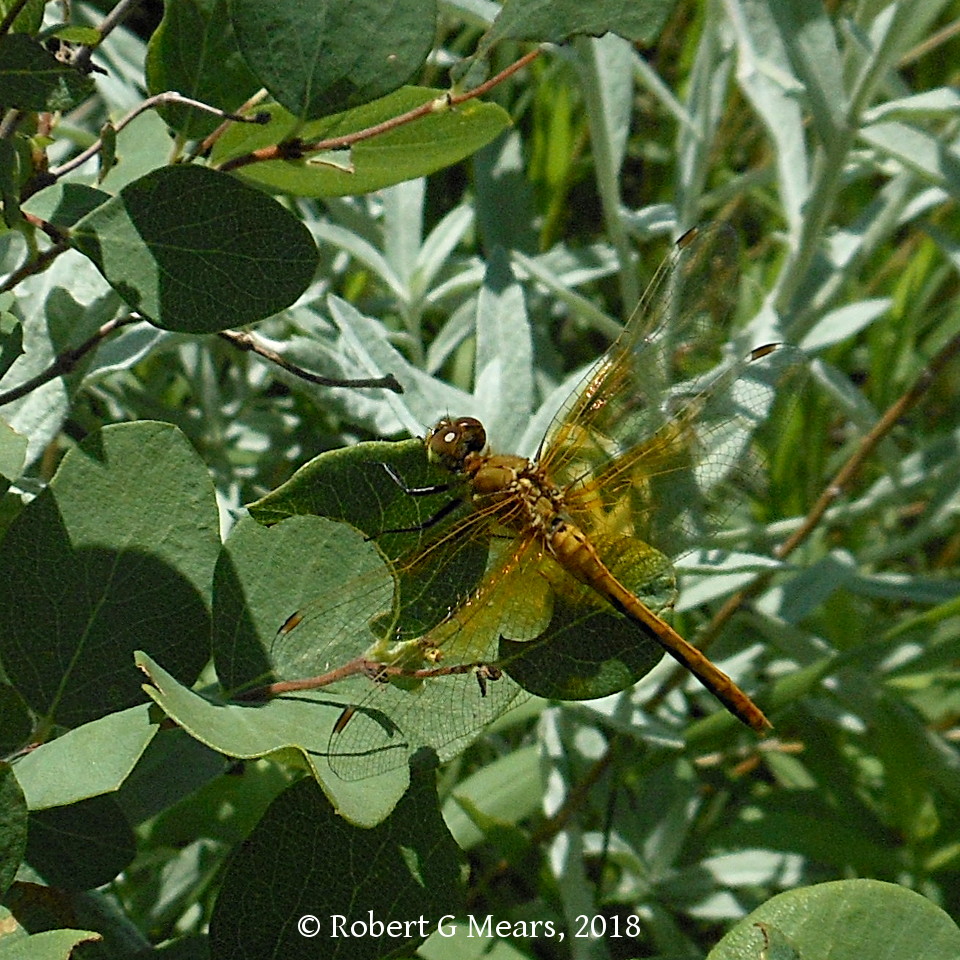
Can you say cherry-faced meadowhawk dragonfly? Good, because that's what I'm called. Okay, okay. Where's the cherry colour? I'm a female. My counterpart is the red one. Oh yeah, I'm Sympetrum internum to an entom.
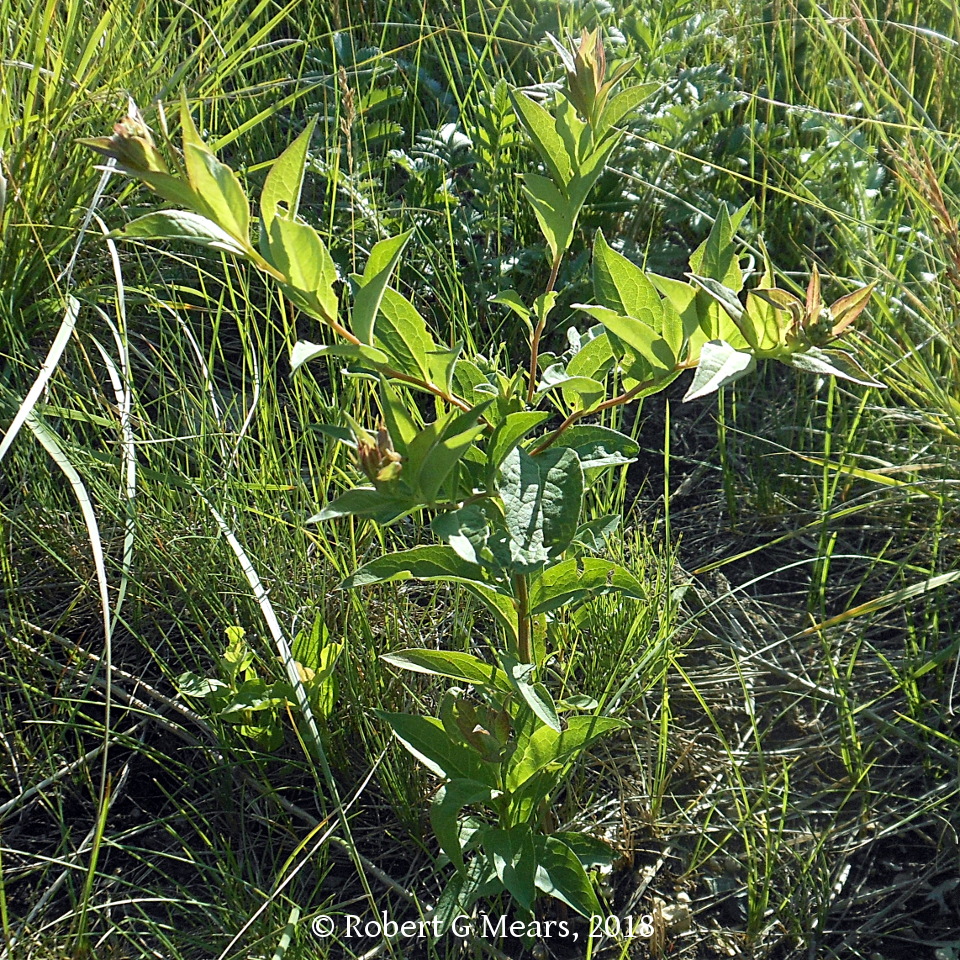
Hi. They call me flattop aster, Doellingeria umbellata. That's because my flower head is sort of ... you guessed it ... flat. We asters are the last of the forbs to get going because we flower later than everyone else.
July 12tap images for gallery view
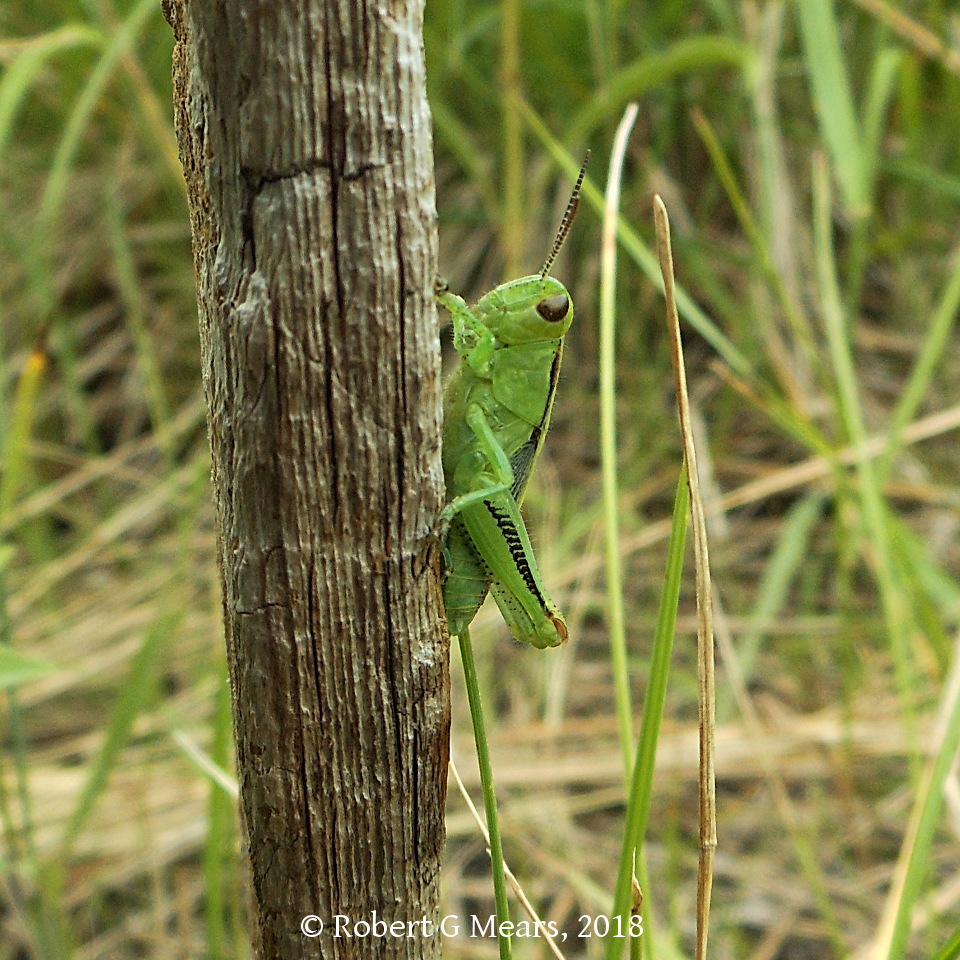
I'm a differential grasshopper, Melanoplus differentialis. People don't like my kind much. Which is too bad. Because, while we'll eat your crops, we also like to eat ragweed (you know, that plant that causes allergic reactions). Anyway, we hop all over the place when people walk by. Kind of animates the yard don't you think?
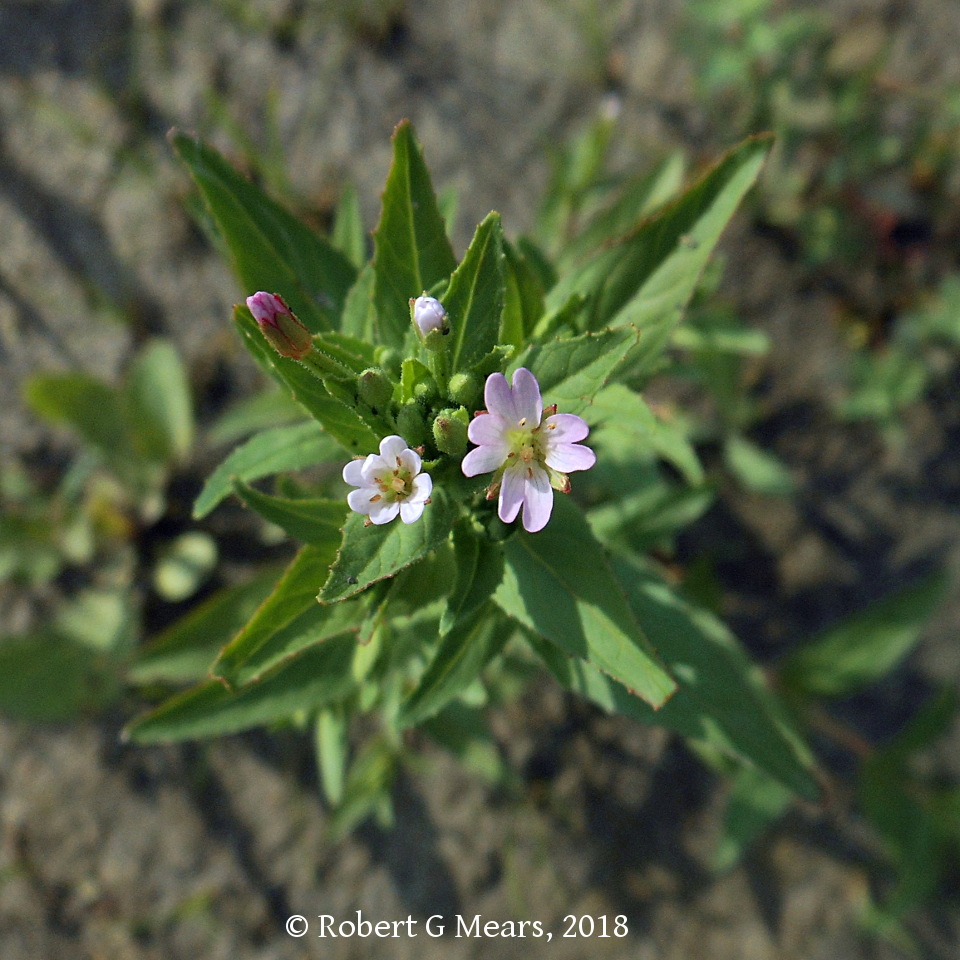
Fringed willowherb, Epilobium ciliatum, here. My flowers are tiny; about 1/4 inch (65 mm) wide. I tend to self pollinate and some people say I'm weedy. I really like wetlands. This mudflat is perfect.
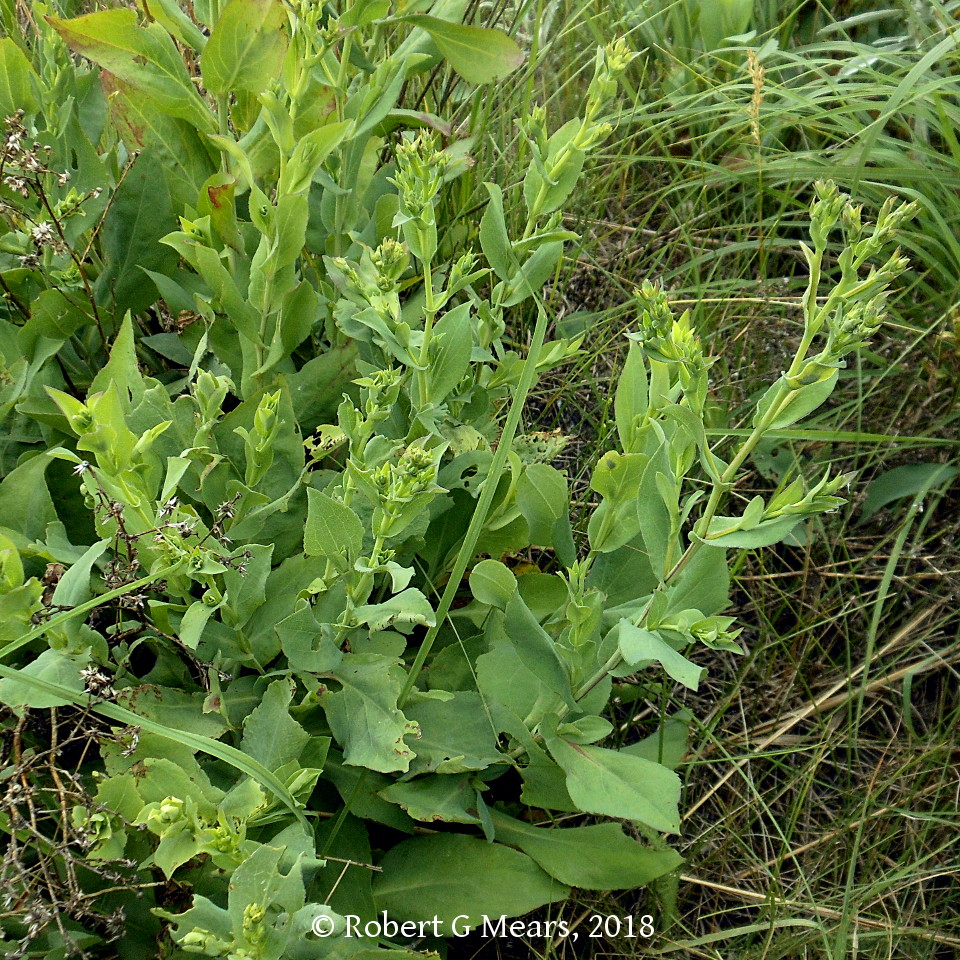
Hello and good day to you. I'm a smooth aster, Symphyotrichum laeve var. laeve. As you can see, someone has been eating my leaves. Well, I'm a host plant for pearl crescent caterpillars. Later in the summer my flowers will provide nectar for just about everyone.
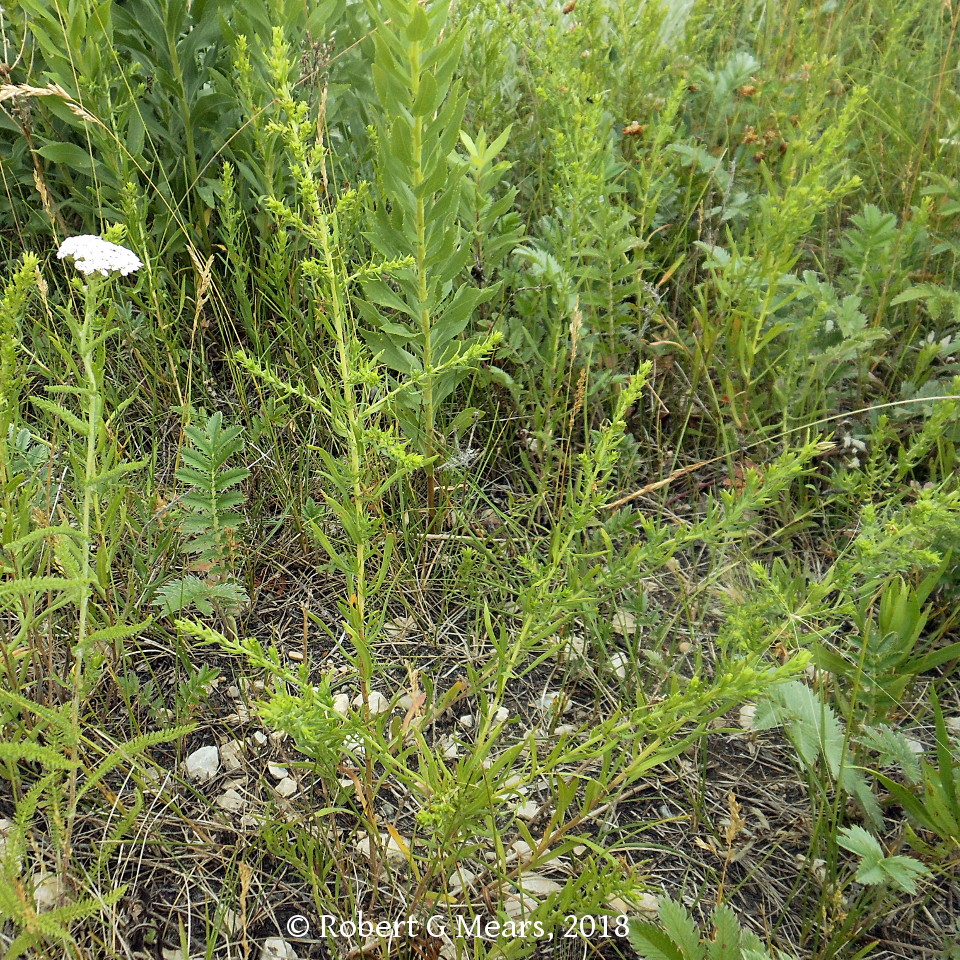
Hey. I'm a many-flowered aster, Aster ericoides. I don't look like much now, kind of straggly I suppose. You just wait, though. In late August, early September you'll think it's snowed in parts of your yard. That's because I grow in patches and there is a reason why I'm called many-flowered.
July 13tap images for gallery view
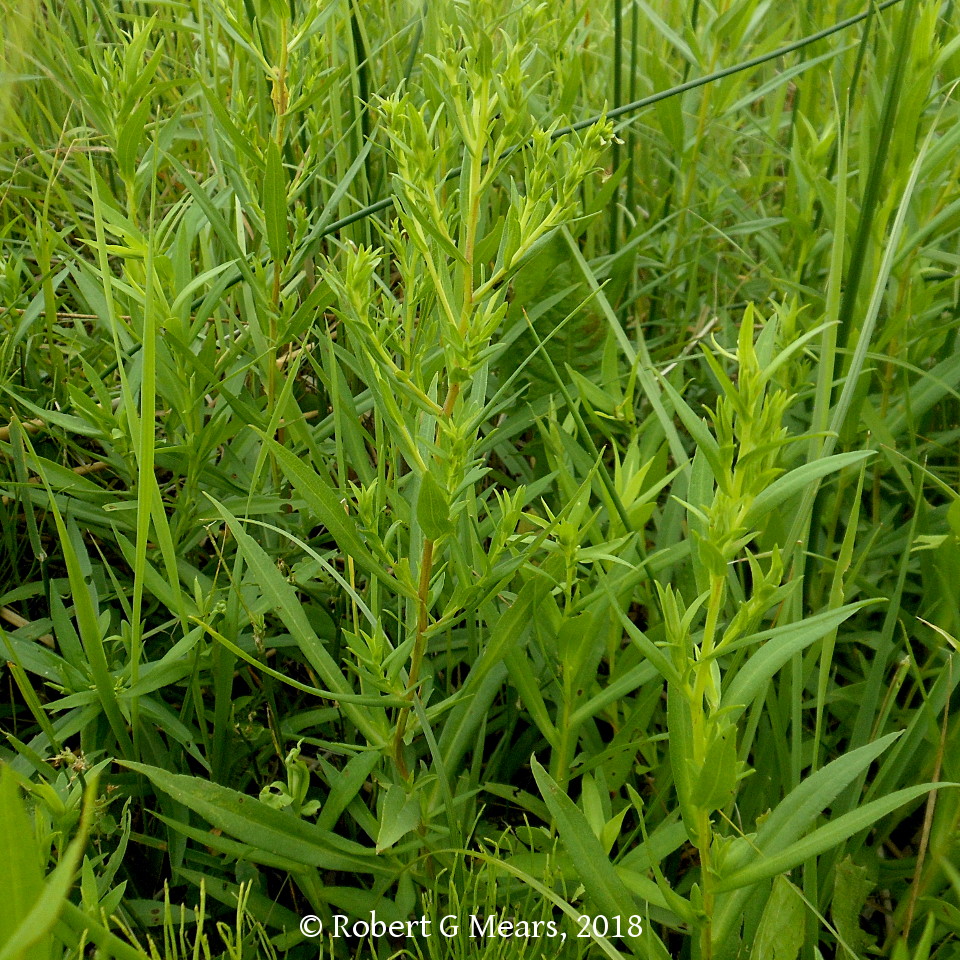
Wherever you go, there you are. I'm a white panicle aster, Symphyotrichum lanceolatum ssp. hesperium. I say I because all these stems here are from the same roots. We spread (readily, I might add) by rhizomes. Bees and butterflies like our nectar.
July 14tap images for gallery view
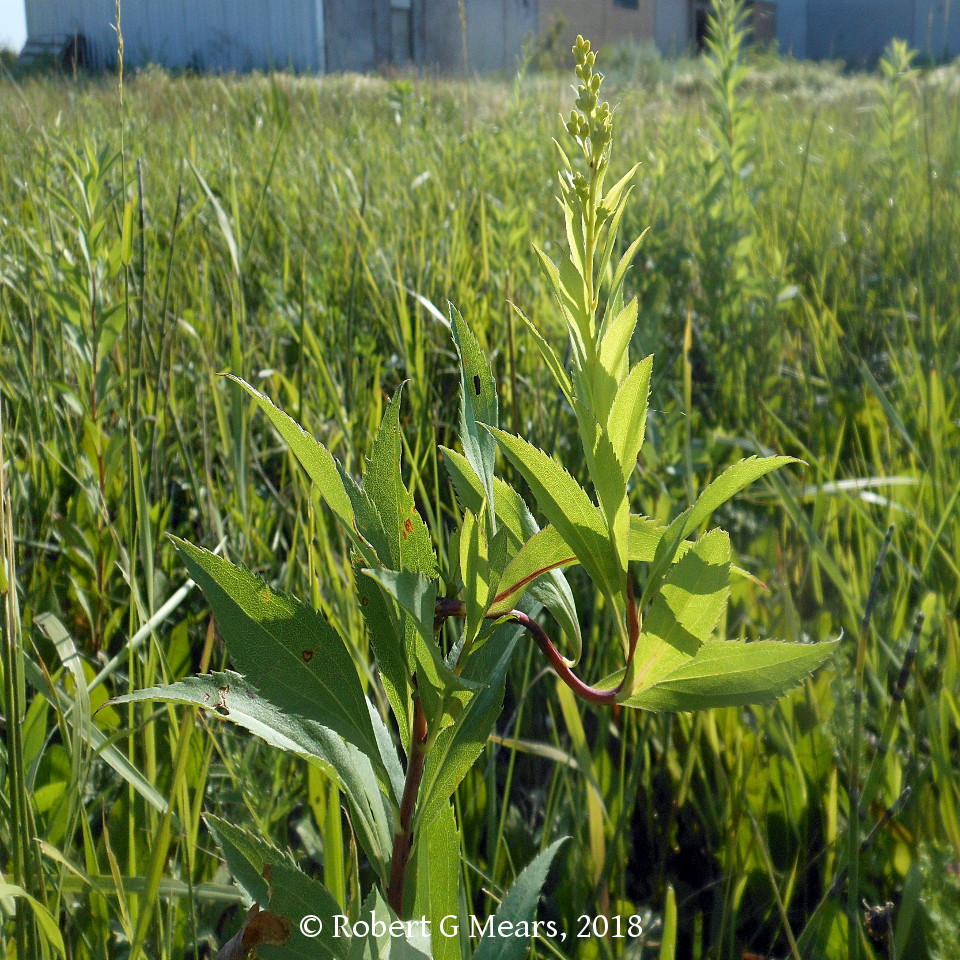
Sometimes you just have to adapt. Missouri goldenrod, Solidago Missouriensis, here.
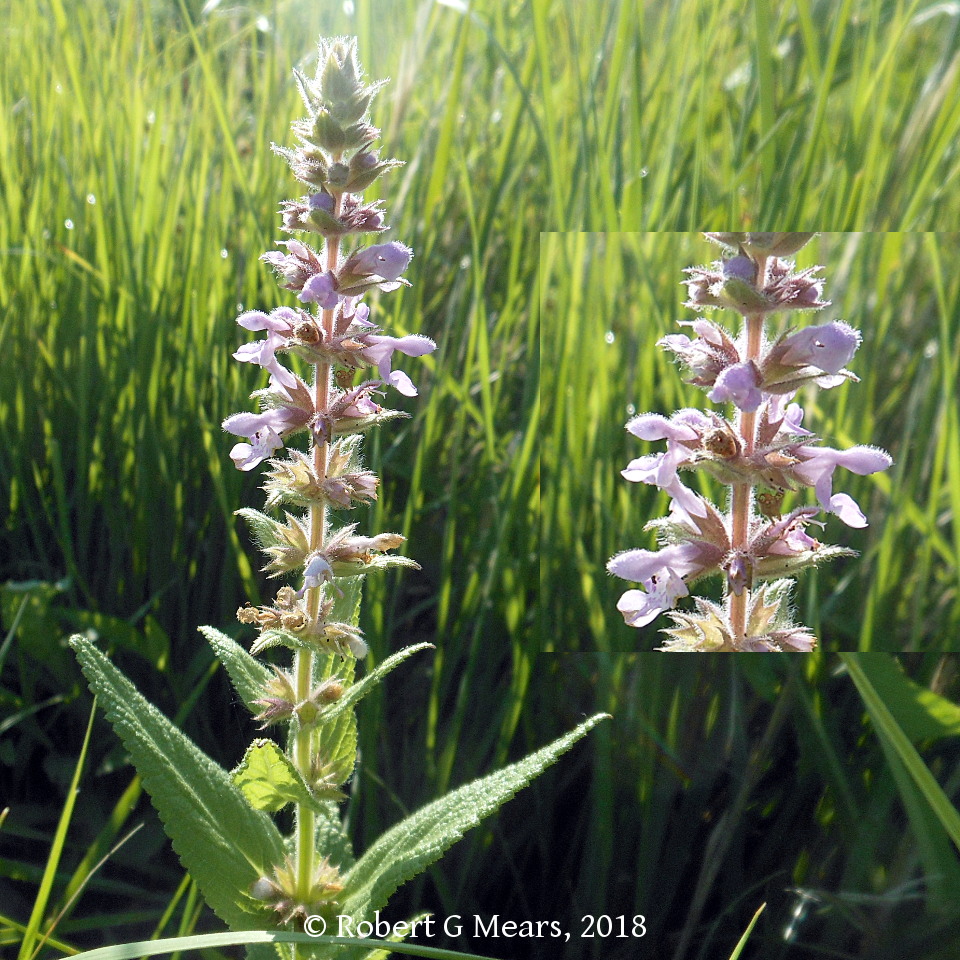
Hi. Remember me? I'm a marsh hedgenettle, Stachys palustris L.. I'm in the mint family. You can tell because my stems are squarish. Long tongued bees like my nectar.
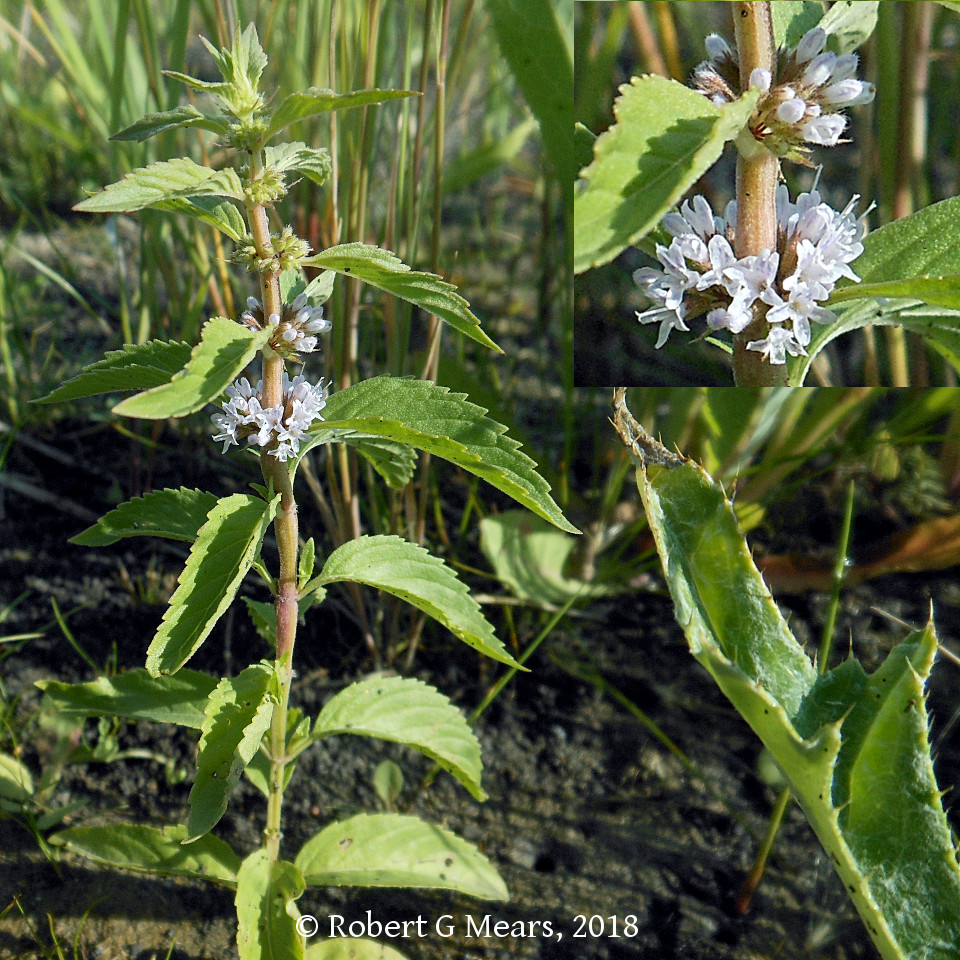
Hey. Wild mint, Mentha arvensis, again. My tiny flowers ring my stems just where the leaves are attached. Makes it easy for pollinators. I like growing in sedge meadows, shallow marshes, and stream banks. This mudflat is perfect.
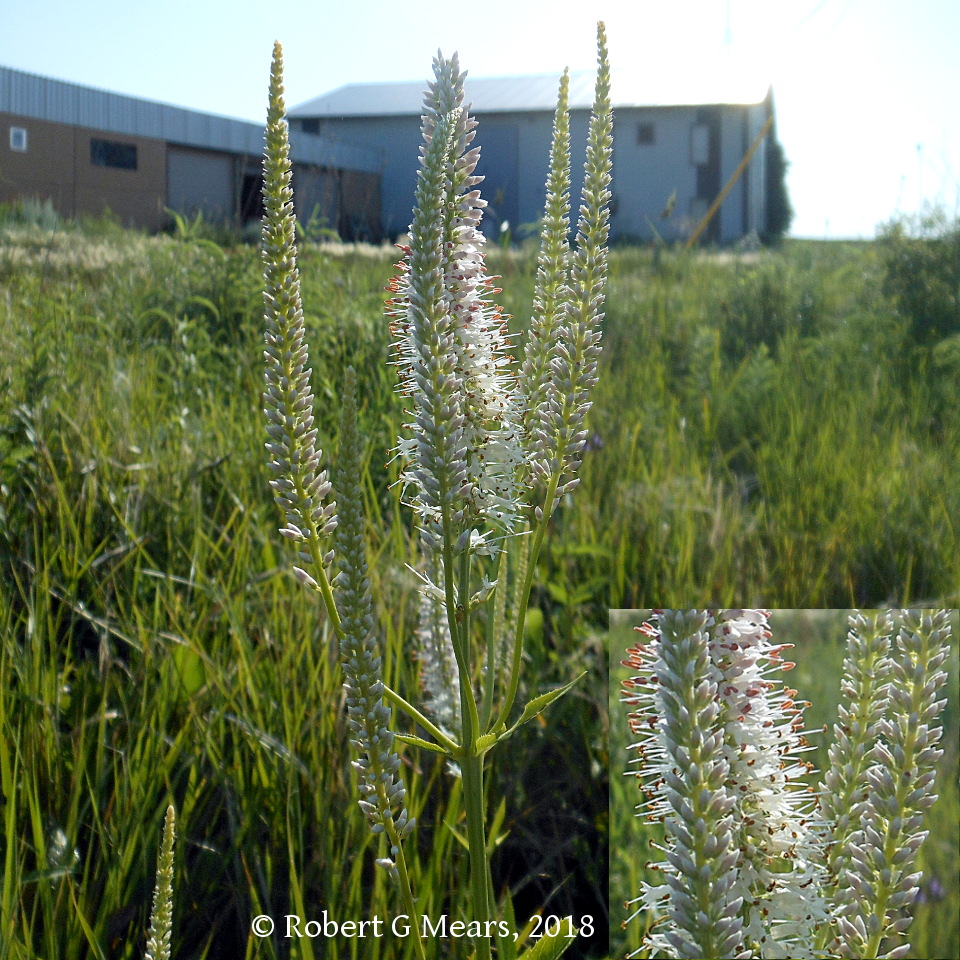
Hello. I'm a Culver's root, Veronicastrum virginicum. My flower spikes are ringed with lots of tiny flowers.
I'm a rare plant in Manitoba. In fact, I'm on the threatened list.
Hummingbirds and butterflies like my nectar.